Equipment & Tools
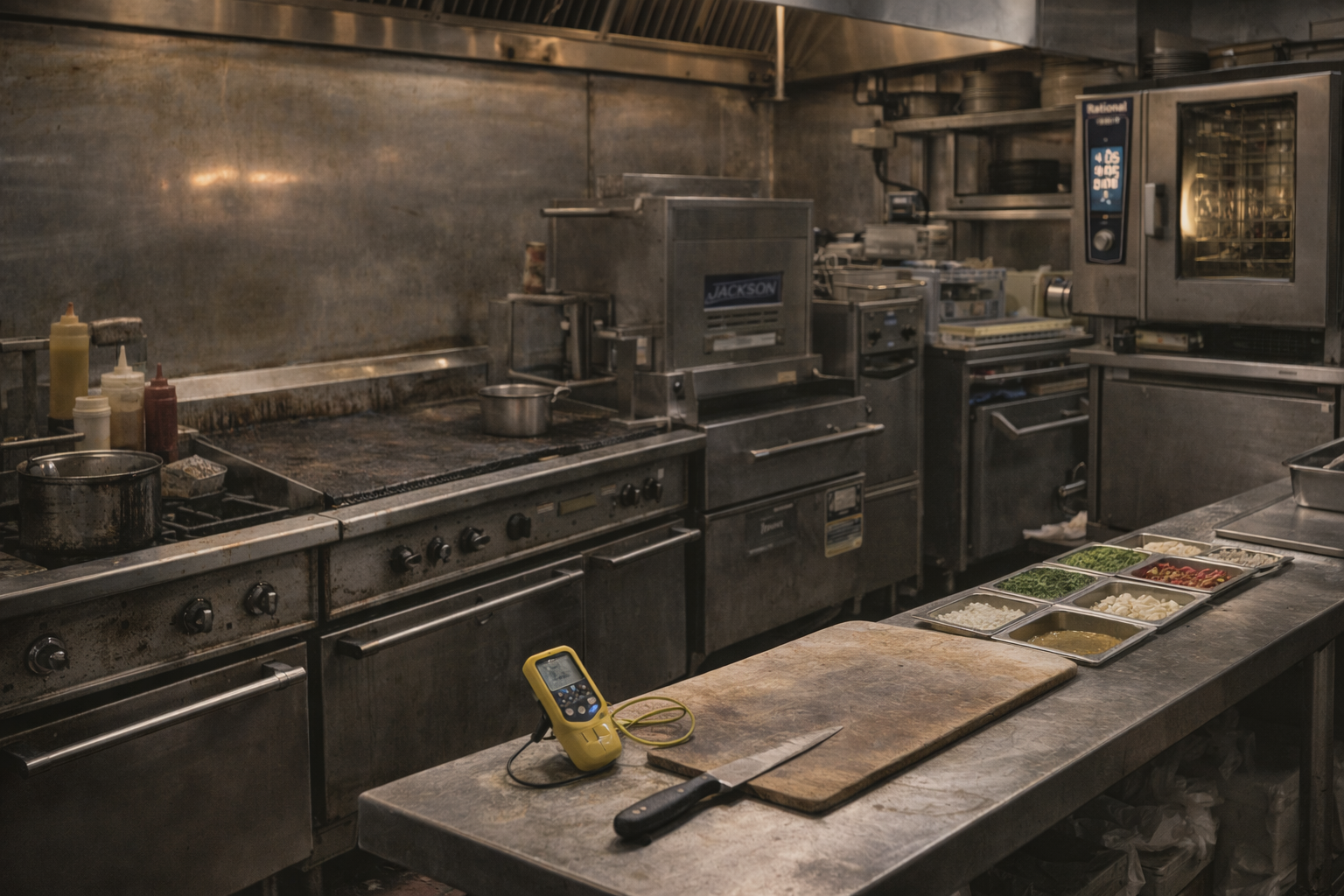
The best tool in any kitchen is the one that works reliably at 9 PM on a Saturday when you can't call anyone for help. Not the prettiest, not the most expensive, not the one with the best reviews online — the one that does the job every single time. Equipment decisions in a professional kitchen are fundamentally different from home cooking purchases.
You need things that survive daily abuse, that clean fast, that your whole team can use without a tutorial. A $300 knife that only the chef can sharpen properly is worse than a $40 knife that everyone on the line keeps sharp. These videos cover the gear that matters — knives, cookware, specialized equipment — with the perspective of people who actually use this stuff in working kitchens.
The Gear Trap
New operators overspend on equipment and underspend on the basics. A $15,000 combi oven sitting next to a prep table with dull knives and warped cutting boards. A walk-in full of expensive specialty ingredients and no proper storage containers.
The Instagram kitchen that looks incredible and can't actually produce food efficiently because the layout prioritizes aesthetics over workflow. Equipment should solve a specific problem. Before you buy anything, ask: what am I doing now that this makes faster, more consistent, or possible?
If you can't answer that concretely, you don't need it yet. The kitchens that run best are usually not the ones with the most equipment. They're the ones where every piece of equipment earns its counter space.
The Gear Trap
New operators overspend on equipment and underspend on the basics. A $15,000 combi oven sitting next to a prep table with dull knives and warped cutting boards. A walk-in full of expensive specialty ingredients and no proper storage containers.
The Instagram kitchen that looks incredible and can't actually produce food efficiently because the layout prioritizes aesthetics over workflow. Equipment should solve a specific problem. Before you buy anything, ask: what am I doing now that this makes faster, more consistent, or possible?
If you can't answer that concretely, you don't need it yet. The kitchens that run best are usually not the ones with the most equipment. They're the ones where every piece of equipment earns its counter space.
“The best tool is the one that works at 9 PM on a Saturday when you can't call anyone.”
The Gear That Earns Its Place
263 videosReviews, comparisons, and deep dives on kitchen equipment from knives to commercial ovens — evaluated by people who use them in real kitchens, not test labs.
25 videos tagged “America's Test Kitchen”

4 Things to Know Before You Buy a Nakiri
Worth watching for anyone in the kitchen game. America's Test Kitchen brings real perspective here.

The Best Sous Vide Machines/Immersion Circulators
Worth watching for anyone in the kitchen game. America's Test Kitchen brings real perspective here.

Should You Buy a Multicooker? | America's Test Kitchen (S24 E7)
America's Test Kitchen put 68 pounds of meat and 26 pounds of beans through every multicooker they could find, because someone has to do the math on whether these things actually work or just take up counter space. You know the type — gadgets that promise to replace your entire station with one magic box. They tested like line cooks: repetition, volume, no mercy for anything that can't handle a proper workload.

Don't Buy a Knife Set, Use These 3 Knives Instead | Gear Heads
The knife roll tells the whole story — three workhorses that've earned their weight in calluses, not a block full of unitaskers gathering dust on the counter. You've watched the new guy fumble through service with his graduation gift knife set, reaching for the wrong blade while tickets pile up. A good chef's knife, a paring knife, and something with teeth will handle 99% of what crosses your board. The rest is just expensive ego.

Equipment Review: Inexpensive Chef's Knives
Your knife is the one piece of gear that follows you from station to station, job to job, kitchen to kitchen — and most cooks are still chopping with whatever dull blade the house provides or some overpriced German steel they bought in culinary school. America's Test Kitchen cuts through the noise on budget blades that actually hold an edge, because the difference between a $30 knife that works and a $200 knife that doesn't isn't just money. It's whether you're brunoise looks clean at hour twelve of your shift.

The Best Japanese Knives for Your Kitchen | Gear Heads
The difference between a $40 knife and a $200 Japanese blade isn't just steel — it's the ten thousand cuts that taught you why edge geometry matters more than marketing copy. America's Test Kitchen breaks down what separates legitimate craftsmanship from kitchen store theater, covering everything from hardness ratings to handle balance without the usual gear-head worship. Anyone who's struggled through a dinner rush with a dull knife knows exactly why this matters.

The Best Stand Mixers | Equipment Review
You can tell which cooks have never worked a real bakery shift by how they talk about stand mixers — like they're all the same machine with different paint jobs. America's Test Kitchen breaks down what actually matters: motor torque under load, bowl clearance for proper gluten development, and whether the thing will hold up to 40 pounds of brioche dough at 4 AM. The difference between a home baker's dream and a professional workhorse isn't the price tag.
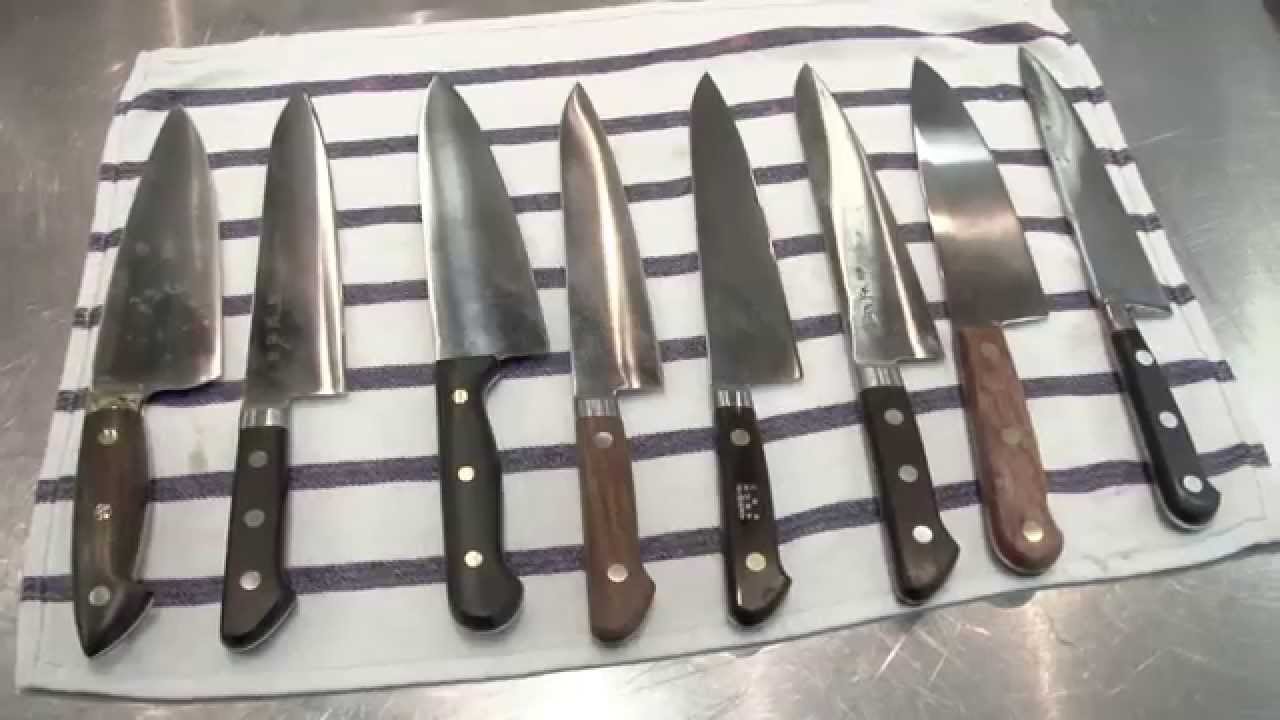
Equipment Review: Best Carbon-Steel Chef's Knives & Our Testing Winner
America's Test Kitchen puts carbon steel knives through the kind of methodical torture test that separates kitchen workhorses from drawer jewelry — blade geometry, edge retention, how they handle three cases of onions without whimpering. The real test isn't whether a knife can slice a tomato for the camera. It's whether it still holds an edge after six months of service, when you're breaking down proteins at 6 AM and your hands know exactly how that blade should feel before your brain catches up.

Equipment Review: The Best Traditional & Enameled Cast-Iron Skillets / Pans & Our Testing Winners
America's Test Kitchen strips away the romance and runs the numbers on cast iron — heat retention, seasoning durability, the kind of surface that builds over years of proper care, not Instagram posts. You either respect the tool or you don't, and a skillet that can go from searing to oven without missing a beat isn't negotiable on a real line. They know what works.

Are Carbon Steel Pans Really The Best? | Gear Heads
America's Test Kitchen breaks down carbon steel pans like they're auditing your mise en place — methodical, unforgiving, and probably finding something you missed. Anyone who's worked a sauté station knows the difference between a pan that holds heat and one that just gets hot. The recall news stings, but good cooks adapt their tools faster than they change their whites.

5 Kitchen Tools Every Home Cook Should Own | Think Like a Chef
Dan Souza breaks down five tools that actually matter — the half sheet pan, the bench scraper, the fish spatula, the digital scale, and the instant-read thermometer — without a single mention of truffle shavers or mandoline slicers that'll sit in a drawer for three years. You can hear the professional kitchen in his explanations: these aren't gadgets, they're workhorses that show up every service. Anyone who's prepped 200 covers knows exactly why he leads with that sheet pan.

The Best Carbon Steel Skillets for Restaurant Quality Cooking at Home
Adam from America's Test Kitchen walks you through carbon steel like someone who's actually worked a sauté station, not just tested pans in a lab. These aren't the nonstick toys gathering dust in home kitchens — carbon steel develops that seasoned patina through proper heat and repetition, the kind that only comes from running service night after night. You know the difference between a pan that's been babied and one that's earned its blackened surface. The real question isn't which brand wins their test, it's whether you're ready to build the relationship.

The Best Chef’s Knives for $75 or Less
You can tell who's serious about their craft by how they treat a $60 knife — not the blade itself, but the ritual around it. America's Test Kitchen cuts through the gear worship to find what actually holds an edge when you're breaking down cases of protein at 6 AM. Anyone who's watched a stage kid fumble with a $300 Japanese steel while the garde manger flies through brunoise with a beat-up Victorinox knows the truth: the knife doesn't make the cook.

Equipment Review: Best Digital Kitchen Scales & Our Testing Winner & Best Buy
You can tell who's serious about their mise by watching them measure flour — the pros hit the gram every time while the weekend warriors are still tapping measuring cups. America's Test Kitchen puts digital scales through the kind of testing that actually matters: sticky dough, flour clouds, and the inevitable sauce splash that kills cheaper units. The winner handles what your station throws at it, and the best buy won't make you choose between accuracy and rent money.

Equipment Review: Smart Ovens
You can program a machine to hit 375 degrees and count down 12 minutes, but you can't program it to know when the crust sounds right or when the proteins have that give that means they're done but not over. America's Test Kitchen puts these "smart" countertop units through their paces, and the results tell you everything about the difference between cooking and heating food up. The machine handles the math; the cook still handles the magic.

The Best Immersion Blender | Gear Heads
The difference between a $40 stick blender and a $200 one shows up at hour six of your shift, when you're trying to salvage a broken hollandaise with arms that feel like lead. Lisa and Kate from America's Test Kitchen put immersion blenders through the kind of punishment you'd recognize — continuous use, thick purees, the inevitable mayo rescue mission. You can muscle through with garbage equipment, but why would you when the right tool does the work for you.

The Best Coffee Makers (Automatic Drip)
You've pulled a thousand shots, dialed in grind settings until your fingers cramped, and watched servers butcher milk steaming technique — but sometimes the morning coffee station just needs to work without drama. America's Test Kitchen put a dozen drip makers through the kind of methodical testing that would make your most obsessive sous proud, proving that consistent extraction doesn't always require a $3,000 espresso setup. The Technivorm they crowned might cost more than your knife roll, but it hits temperature specs and brew time like it was trained on the line.
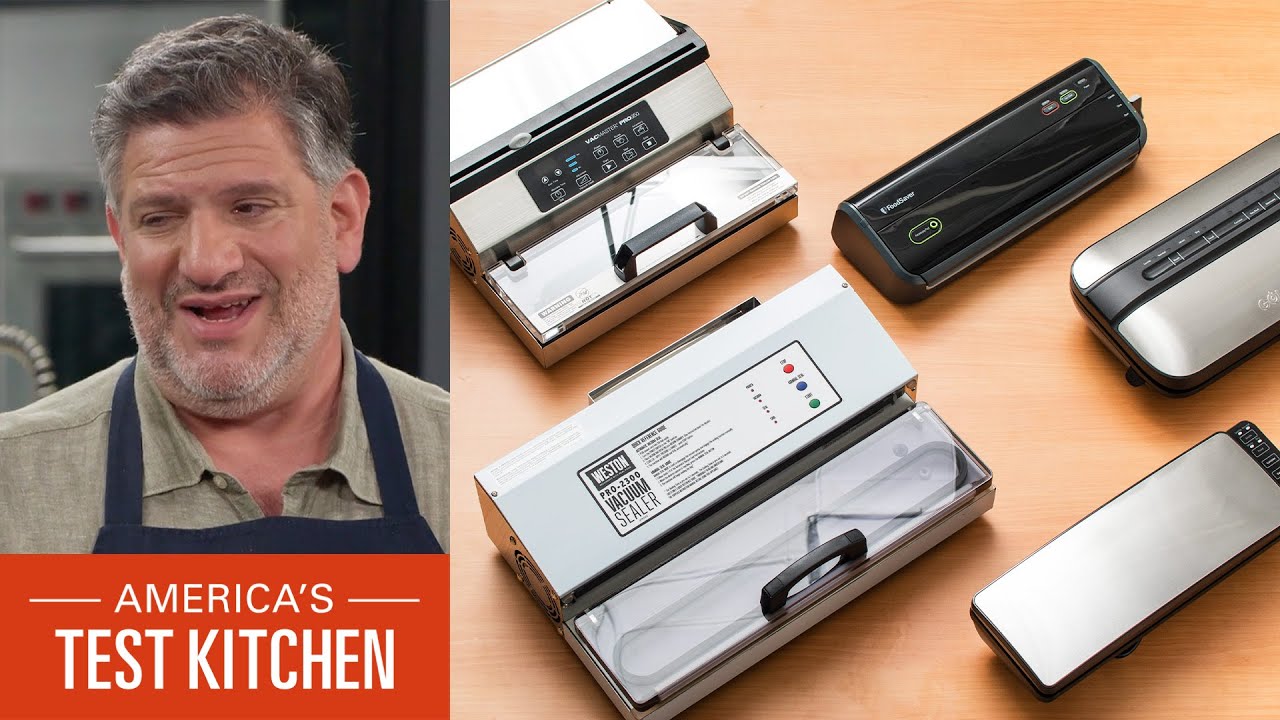
Equipment Expert's Guide to Vacuum Sealers
The test kitchen nerds at ATK put vacuum sealers through the wringer so you don't have to buy three machines to find one that actually works. You've seen enough sous vide setups die because someone bought the cheapest sealer on Amazon, watched it fail on the third service, then went back to individually wrapping proteins like it's 1987. They test seal strength on everything from delicate fish to bone-in cuts, because the machine that handles your weekend meal prep isn't necessarily the one that'll survive 200 covers of pre-portioned proteins. This is the kind of methodical equipment breakdown that saves you from explaining to your chef why the walk-in smells like freezer burn.

Equipment Review: Pizza and Baking Stones and Steels
America's Test Kitchen putting pizza stones and steels through their paces, chasing that elusive pizzeria crust most home setups will never touch. You know the difference — that snap when you bite through properly developed dough, the way real heat transforms flour and water into something that actually matters. They're testing thermal mass and heat transfer like it's science, which it is, but any pizza cook who's worked a deck oven already knows steel conducts faster than stone. The gap between your home oven's 500 degrees and a real deck running 700 is the difference between making pizza and making flatbread with stuff on it.

The Best Induction Burners | America's Test Kitchen
You can tell the test kitchen crew actually cooks — they're checking recovery time when you drop a cold pan on the burner, testing how fast you can adjust heat when something's about to break. The kind of details that matter when you're working saute and need to pull a pan off the flame for exactly three seconds. Most home kitchen advice falls apart under restaurant conditions, but these recommendations might actually survive contact with the line.
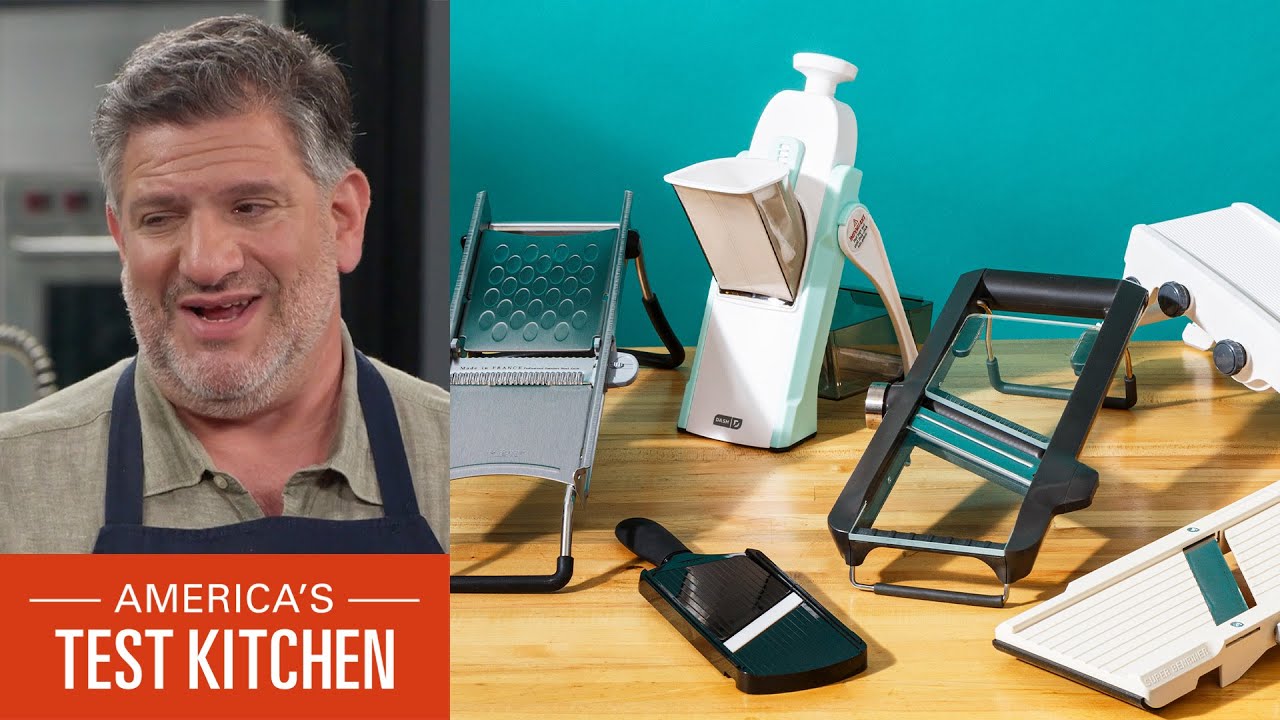
Equipment Expert's Guide to Mandolines
Adam Ried breaks down mandolines like someone who's actually had to prep fifty pounds of fennel for service, not just demo it for cameras. You either respect the blade or you're adding fingertip to the brunoise — there's no middle ground with these things. The difference between a $40 slicer and proper equipment shows up in your mise, your speed, and whether you're still bleeding into the prep towel.

Equipment Review: The Best Stainless Steel Skillet, Our Testing Winners and Why All-Clad is Worth It
I've burned through enough shitty pans to know that when America's Test Kitchen tells you All-Clad is worth the money, you listen. They put these things through the kind of punishment your line cooks will dish out, and if it can handle their lab torture, it'll survive your kitchen. Sometimes the expensive thing is expensive because it's actually better—this is one of those times.
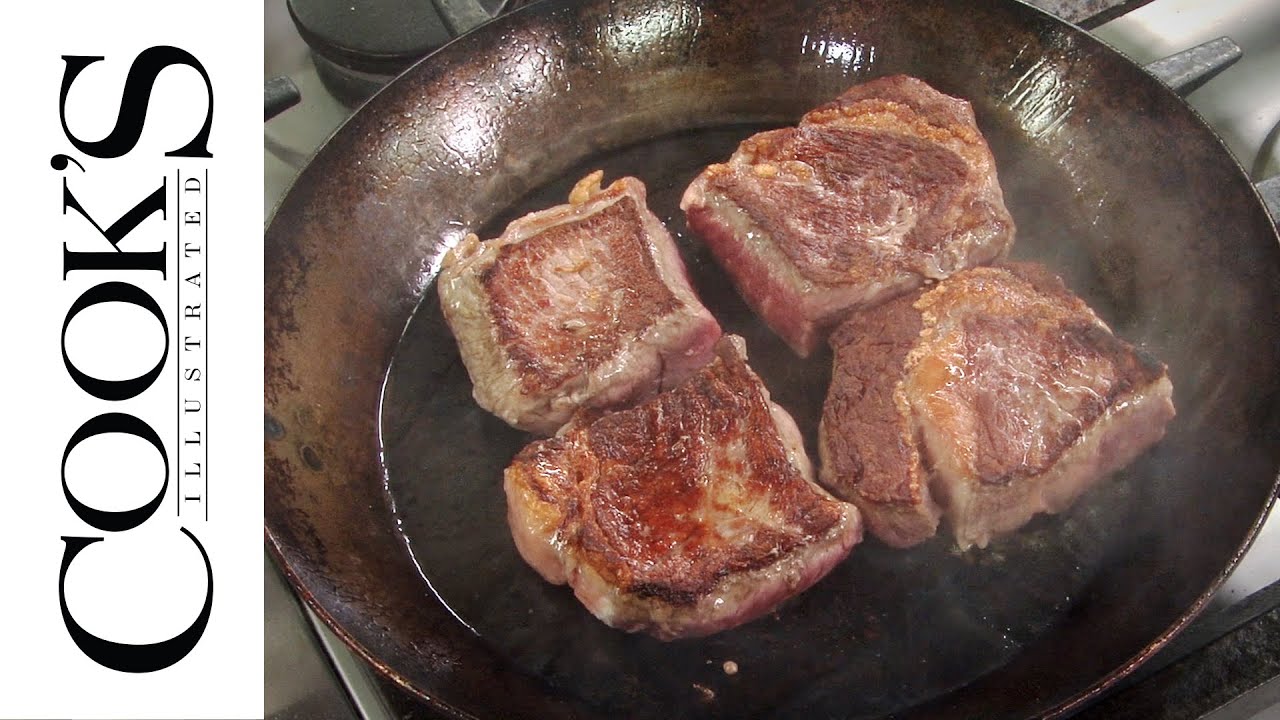
Equipment Review: Best Carbon-Steel Skillets (Can This One Pan Do It All?) & Our Testing Winner
I've watched too many cooks burn through cheap pans and waste money on overpriced French shit that cracks under real service pressure. America's Test Kitchen actually puts these carbon steel skillets through the kind of abuse you'll dish out in a working kitchen, so when they crown a winner, it's worth listening to — especially if you're tired of replacing pans every six months.

Equipment Review: The Best Dutch Oven & Our Testing Winners
I've watched America's Test Kitchen torture Dutch ovens like they're conducting some kind of culinary waterboarding, and their methodical brutality actually matters when you're dropping serious cash on something that needs to survive your kitchen's daily violence. They'll tell you exactly which one won't chip when your hungover prep cook inevitably drops it, and more importantly, which "budget" option will actually hold up to real service. Skip the guesswork and let these nerds do the math for you.
Learn to sharpen them properly — a sharp cheap knife outperforms a dull expensive one every time. Then cookware: heavy-bottomed pans that distribute heat evenly and can go from stovetop to oven. Then the infrastructure — storage containers, sheet pans, thermometers, scales.
The boring stuff that actually determines whether your kitchen functions. The big-ticket items — ovens, fryers, refrigeration — matter enormously, but they're decisions you make once and live with for years.
Tools and technique go hand in hand. Technique & Skill covers the craft that makes equipment useful. For the financial side of equipment decisions, Cost Control puts every purchase in the context of your margins.