Restaurant Failures & Lessons
The restaurant industry has a well-earned reputation for chewing people up. The actual failure rate is debated — some studies put first-year closures around 17 percent, others higher — but the patterns behind the failures are remarkably consistent. Undercapitalization.
Menus priced on feeling instead of math. Partners who agreed on the dream but never talked about what happens when they disagree. The restaurants that close almost always leave a readable trail.
A lease that ate the operating margin. A food cost that drifted unchecked. A concept that lost its focus one compromise at a time.
These videos are case studies. Some are dramatic. All of them are instructive if you watch them looking for the decision that started the slide.
The Patterns Behind Most Closures
Strip away the individual stories and most restaurant failures share a structure. The operator opened with enough money to get to opening night but not enough to survive the slow months while the neighborhood finds them. The menu was priced on what felt right rather than on actual food cost and labor calculations.
The concept got compromised — a little at first, then a lot — until the place lost whatever made it worth going to. Two partners who agreed on everything in the excitement of opening discovered they agreed on nothing when the hard decisions arrived. And running through all of it: the operator who was too close to the problem, too proud, or too exhausted to call it early enough to change course.
Failure in this business is rarely sudden. It's a series of small decisions that compound.
The Patterns Behind Most Closures
Strip away the individual stories and most restaurant failures share a structure. The operator opened with enough money to get to opening night but not enough to survive the slow months while the neighborhood finds them. The menu was priced on what felt right rather than on actual food cost and labor calculations.
The concept got compromised — a little at first, then a lot — until the place lost whatever made it worth going to. Two partners who agreed on everything in the excitement of opening discovered they agreed on nothing when the hard decisions arrived. And running through all of it: the operator who was too close to the problem, too proud, or too exhausted to call it early enough to change course.
Failure in this business is rarely sudden. It's a series of small decisions that compound.
“Failure in this business is rarely sudden. It's a series of small decisions that compound.”
What the Survivors Did Differently
175 videosVideos on restaurant closures, kitchen disasters, and the operators who came out the other side knowing things that can't be learned from a textbook.
2 videos tagged “Italian”

Why Pizza Hut Fell Behind In The Pizza Wars
Pizza Hut built an empire on dine-in family nights and deep dish dominance, then watched DoorDash and Domino's rewrite the rules while they clung to red roofs and salad bars. You can have the best product in the world, but if your delivery times are shit and your app crashes during dinner rush, you're just expensive nostalgia. The lesson isn't about pizza — it's about knowing when your entire service model is about to get 86'd by the market.
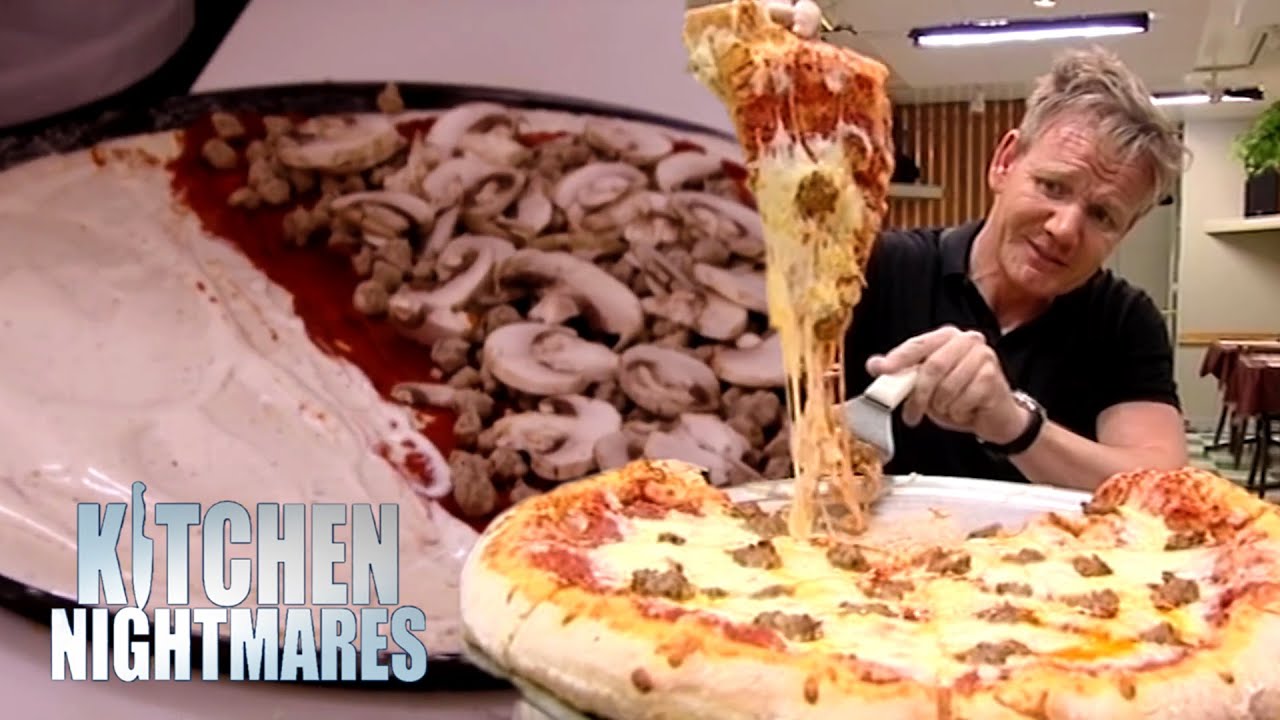
wood fired pizza? how's pizza gonna get a job now??? | Kitchen Nightmares
I've watched Gordon tear apart enough delusional owners to know this clip hits different—when your pizza concept is so fundamentally fucked that even wood-fired ovens become a punchline, you're not running a restaurant, you're running a comedy show. The real lesson isn't about pizza; it's about operators who think gimmicks can save them from not understanding their own business.
They hired slowly and fired fast when the culture got compromised. They were obsessively clear about what their restaurant was and what it was not. They treated the first year as a learning period, not a victory lap.
And they had systems in place before the volume arrived, not after.
Understanding why restaurants fail is incomplete without understanding what prevents it. Kitchen Systems covers the operational structures that keep places running. Cost Control covers the numbers that signal trouble before it arrives.