Food Science & History
There comes a point in every cook's development where knowing how stops being enough and knowing why becomes essential. Why does bread rise? What actually happens during caramelization?
Why does acid brighten a dish, and at what point does it destroy it? The science behind cooking isn't academic trivia. It's the knowledge that lets you improvise when something goes wrong, adapt a recipe to different conditions, and understand what you're actually doing instead of just following steps.
Culinary history is the same kind of deeper knowledge — understanding where a technique came from, how a cuisine developed, why certain flavor combinations work across cultures. These videos go beneath the surface of cooking into the mechanics and the story.
The Limits of Following Recipes
A recipe tells you what to do. It doesn't tell you why, and it doesn't tell you what to do when conditions change. Your kitchen is hotter than the one where the recipe was tested.
Your oven runs ten degrees cooler. The humidity is different, which changes how flour absorbs water, which changes the texture of everything you bake. A cook who only knows the recipe is stuck when the recipe doesn't work.
A cook who understands the science can diagnose the problem and adjust. That's the real value of this knowledge — not impressing people at dinner parties, but having the understanding to fix things in real time, under pressure, when there's no time to look anything up.
The Limits of Following Recipes
A recipe tells you what to do. It doesn't tell you why, and it doesn't tell you what to do when conditions change. Your kitchen is hotter than the one where the recipe was tested.
Your oven runs ten degrees cooler. The humidity is different, which changes how flour absorbs water, which changes the texture of everything you bake. A cook who only knows the recipe is stuck when the recipe doesn't work.
A cook who understands the science can diagnose the problem and adjust. That's the real value of this knowledge — not impressing people at dinner parties, but having the understanding to fix things in real time, under pressure, when there's no time to look anything up.
“A cook who only knows the recipe is stuck when the recipe doesn't work.”
The Knowledge Underneath the Craft
215 videosVideos on food chemistry, fermentation science, the Maillard reaction, culinary history, and the deeper understanding that makes technique intuitive instead of mechanical.
6 videos tagged “America's Test Kitchen”
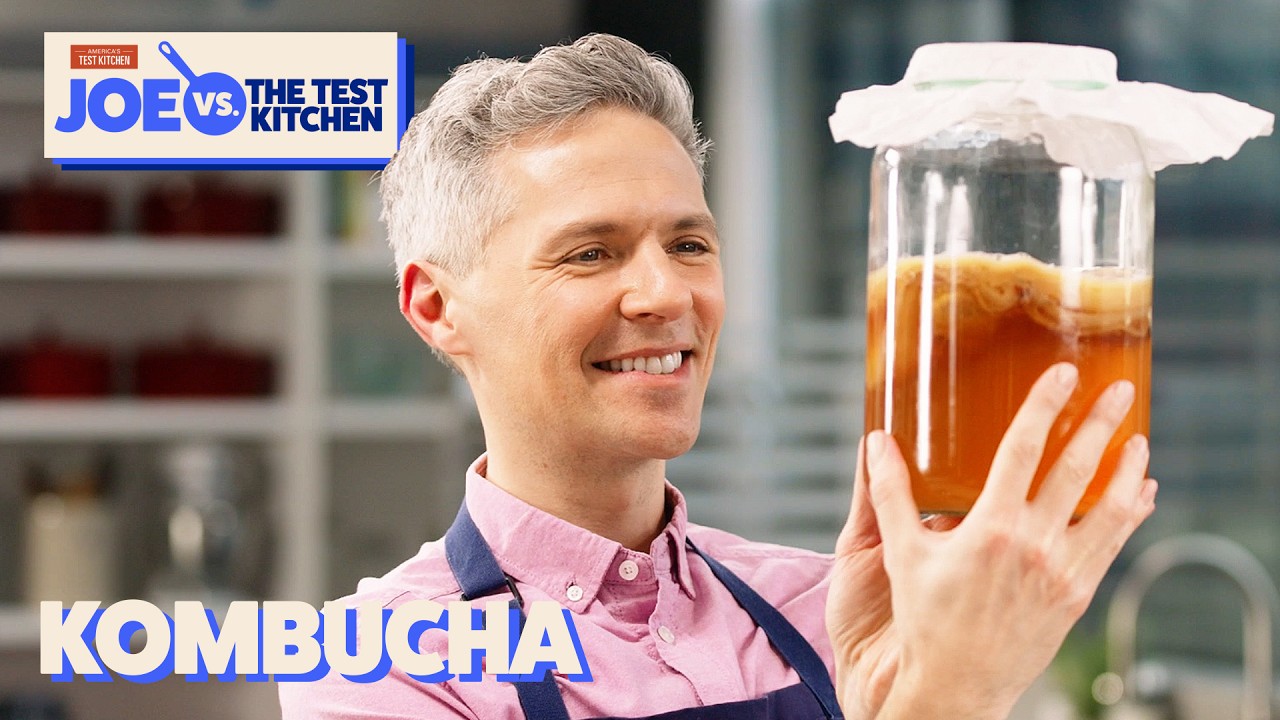
Fizzy, Flavored Kombucha: Everything You Should Know | Joe vs. The Test Kitchen
Worth watching for anyone in the kitchen game. America's Test Kitchen brings real perspective here.

Get Better Tasting Meat: 5 Keys to Marinating | Techniquely with Lan Lam
Lan Lam breaks down marinades like she's teaching prep cooks who actually have to execute 200 covers on a Saturday night — no mystical bullshit about "flavor journeys," just the five things that make protein taste like something worth charging for. You've seen too many line cooks dump whatever's handy into a hotel pan and call it marinated. This is how you build flavor that actually penetrates.
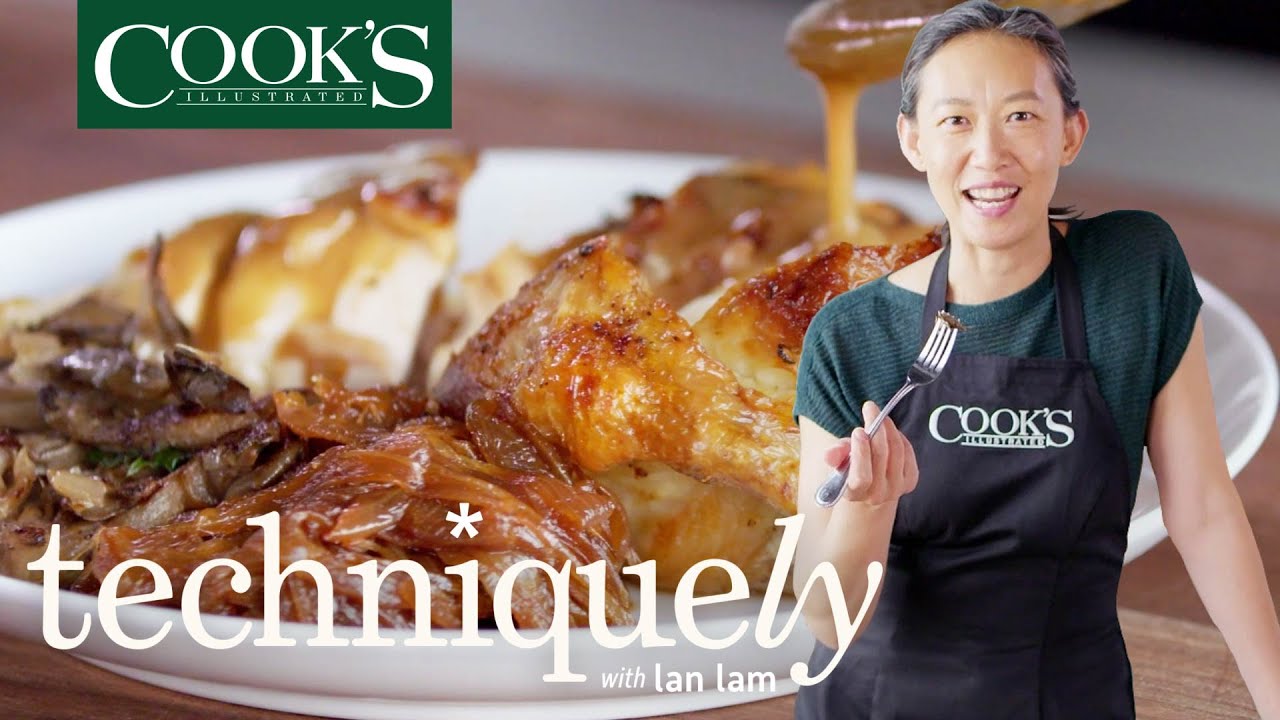
For Better Browned Meat and Veggies, Just Add Water | Techniquely With Lan Lam
The most counterintuitive techniques often make the most sense once you see them work — Lan Lam drops water into a screaming hot pan and explains exactly why that hiss isn't your enemy. Anyone who's ever fought with vegetables that won't brown or proteins that won't sear knows the frustration she's solving here. This is the kind of kitchen science that actually translates to better plates, not just parlor tricks.
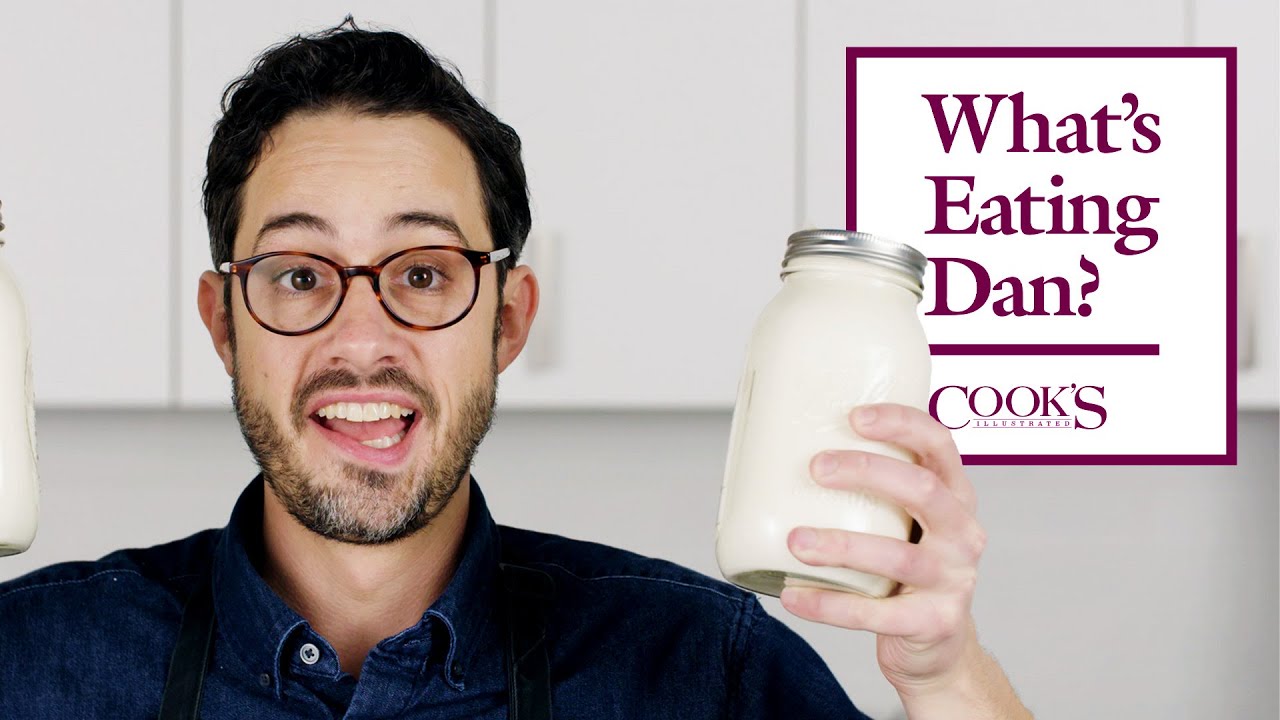
The Science of Yogurt: Why the Best Yogurt is Homemade | What's Eating Dan?
Dan walks you through five thousand years of controlled spoilage, from the first nomad who forgot milk in a leather pouch to the industrial tanks churning out whatever passes for yogurt in American supermarkets. You've probably never thought about the bacterial cultures working overnight in your walk-in, but after fifteen minutes with this guy, you'll understand why the best Middle Eastern joints make their own. Anyone who's ever wondered why their grandmother's labneh tastes like nothing you can buy will find their answer here. The science is simple, the craft is ancient, and the difference is everything.

Science: The Secrets of Cooking Rice — The Cause of Recipe Failure is Not What You Might Think
You've burned rice exactly once in your career, standing there watching steam turn to smoke while the dinner rush built behind you, and you swore it would never happen again. America's Test Kitchen breaks down why that grain of shame wasn't your fault — rice packaging lies, ratios shift with humidity, and even seasoned cooks get sabotaged by variables they can't see. They run the numbers on absorption rates and starch content like they're testing sauce consistency. Anyone who's ever had to explain scorched rice to a chef at 7 PM needs to watch this.

Why Chefs Love Pressure Cookers
You know that sound when the pressure cooker releases — that sharp hiss that cuts through the dinner rush chaos like a knife through warm butter. America's Test Kitchen went hunting for the real story behind why line cooks and chefs actually reach for these steel bombs when they could grab any other tool in the arsenal. What they found isn't about convenience or speed — it's about the kind of deep, bone-level flavor that only happens when you trap steam and time in a steel chamber and let physics do what physics does best.
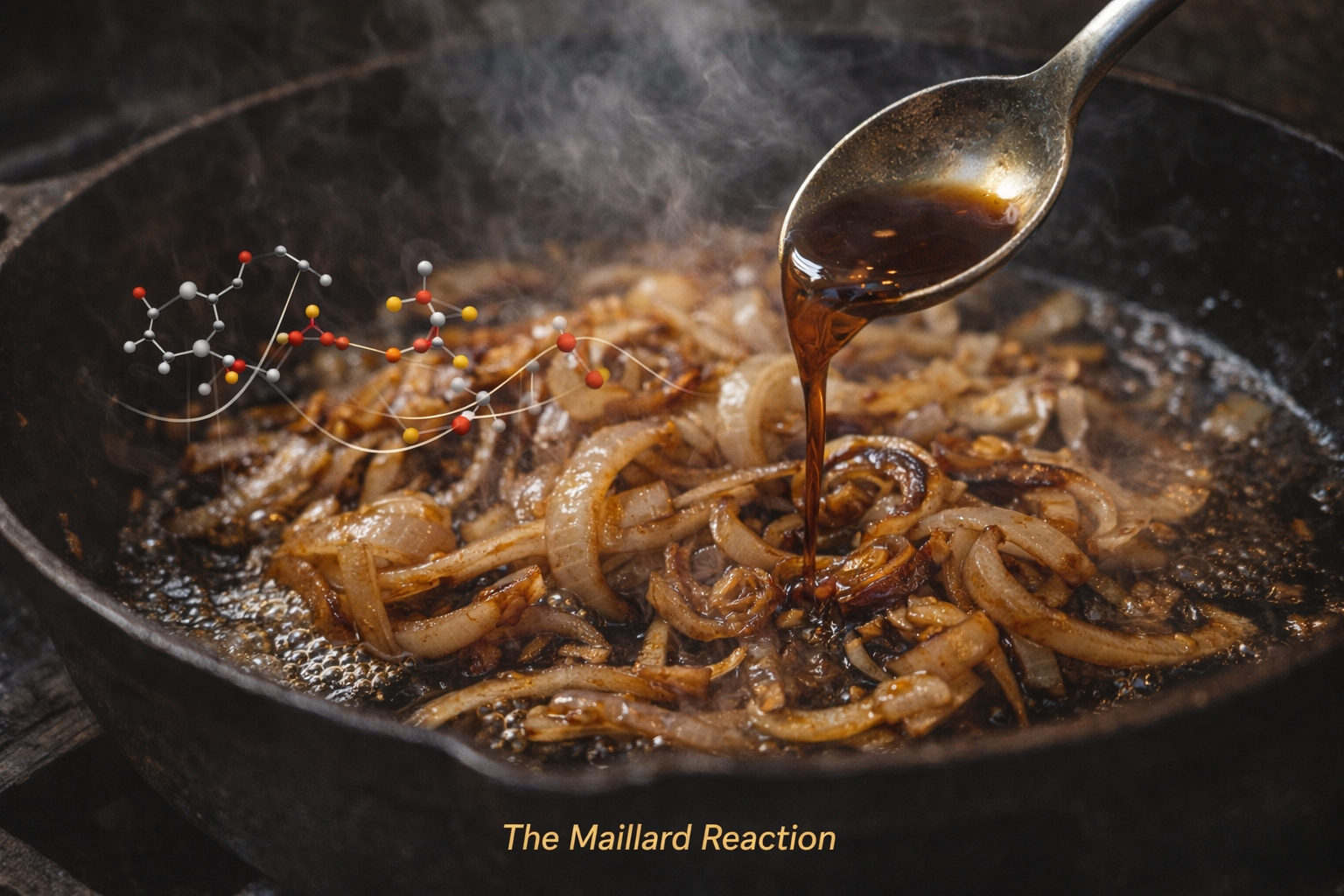
Then the chemistry of flavor: how salt enhances, how acid balances, how fat carries flavor compounds to your palate, how sugar caramelizes and at what temperature the sweetness turns to bitterness. Then fermentation — arguably the most important culinary process in human history, from bread to cheese to soy sauce to beer. Each of these is a rabbit hole worth going down.
The science here connects directly to the hands-on practice in Technique & Skill — understanding why something works makes the technique easier to learn. Street Food & Travel shows many of these scientific principles applied intuitively by cooks who've been doing it for generations.