Food Science & History
There comes a point in every cook's development where knowing how stops being enough and knowing why becomes essential. Why does bread rise? What actually happens during caramelization?
Why does acid brighten a dish, and at what point does it destroy it? The science behind cooking isn't academic trivia. It's the knowledge that lets you improvise when something goes wrong, adapt a recipe to different conditions, and understand what you're actually doing instead of just following steps.
Culinary history is the same kind of deeper knowledge — understanding where a technique came from, how a cuisine developed, why certain flavor combinations work across cultures. These videos go beneath the surface of cooking into the mechanics and the story.
The Limits of Following Recipes
A recipe tells you what to do. It doesn't tell you why, and it doesn't tell you what to do when conditions change. Your kitchen is hotter than the one where the recipe was tested.
Your oven runs ten degrees cooler. The humidity is different, which changes how flour absorbs water, which changes the texture of everything you bake. A cook who only knows the recipe is stuck when the recipe doesn't work.
A cook who understands the science can diagnose the problem and adjust. That's the real value of this knowledge — not impressing people at dinner parties, but having the understanding to fix things in real time, under pressure, when there's no time to look anything up.
The Limits of Following Recipes
A recipe tells you what to do. It doesn't tell you why, and it doesn't tell you what to do when conditions change. Your kitchen is hotter than the one where the recipe was tested.
Your oven runs ten degrees cooler. The humidity is different, which changes how flour absorbs water, which changes the texture of everything you bake. A cook who only knows the recipe is stuck when the recipe doesn't work.
A cook who understands the science can diagnose the problem and adjust. That's the real value of this knowledge — not impressing people at dinner parties, but having the understanding to fix things in real time, under pressure, when there's no time to look anything up.
“A cook who only knows the recipe is stuck when the recipe doesn't work.”
The Knowledge Underneath the Craft
215 videosVideos on food chemistry, fermentation science, the Maillard reaction, culinary history, and the deeper understanding that makes technique intuitive instead of mechanical.
6 videos tagged “American”

The TRUTH behind American Chinese Food
Worth watching for anyone in the kitchen game. Learn Chinese Now brings real perspective here.
How America’s Abundance Gave Way To Italian American Cuisine | Close To Home
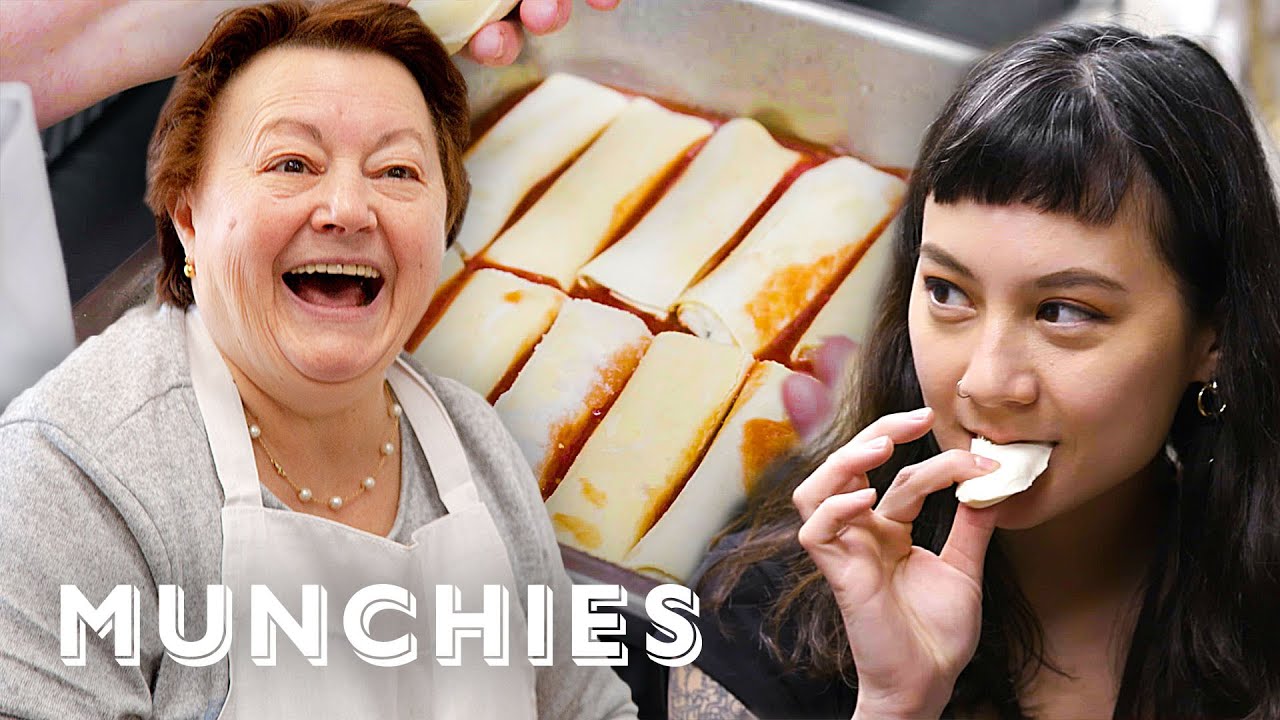
Every operator thinks they're serving "authentic" cuisine until they realize authenticity is just scarcity with better marketing. These Italian-American classics weren't bastardizations — they were smart adaptations by cooks who understood their customers and their supply chain better than the food critics ever would. You want to survive in this business? Learn what these immigrants knew: give people what they actually want to eat, not what you think they should want.

Fry Fidelity: The Science Of Fried Chicken
ChefSteps breaks down the science behind what every line cook already knows in their bones — that perfect fried chicken isn't luck, it's physics. Chris Young walks through the temperature curves, the protein coagulation, the moisture migration that turns a raw bird into something that makes grown adults weak in the knees. Anyone who's stood over a fryer at 2 PM on a Sunday knows the magic is real, but this is the first time someone's bothered to explain exactly why your grandmother's cast iron delivers transcendence while the fancy equipment down the street serves expensive mediocrity.

4 Levels of Mac and Cheese: Amateur to Food Scientist | Epicurious
I love watching the amateur stumble through what they think is just melted cheese on noodles, then seeing the pro build a proper mornay with aged gruyere and explain why the roux matters. The food scientist breaking down the exact protein structures that make it creamy instead of grainy — that's the moment you realize mac and cheese isn't kid food, it's chemistry you can eat.
4 Levels of Hamburgers: Amateur to Food Scientist | Epicurious
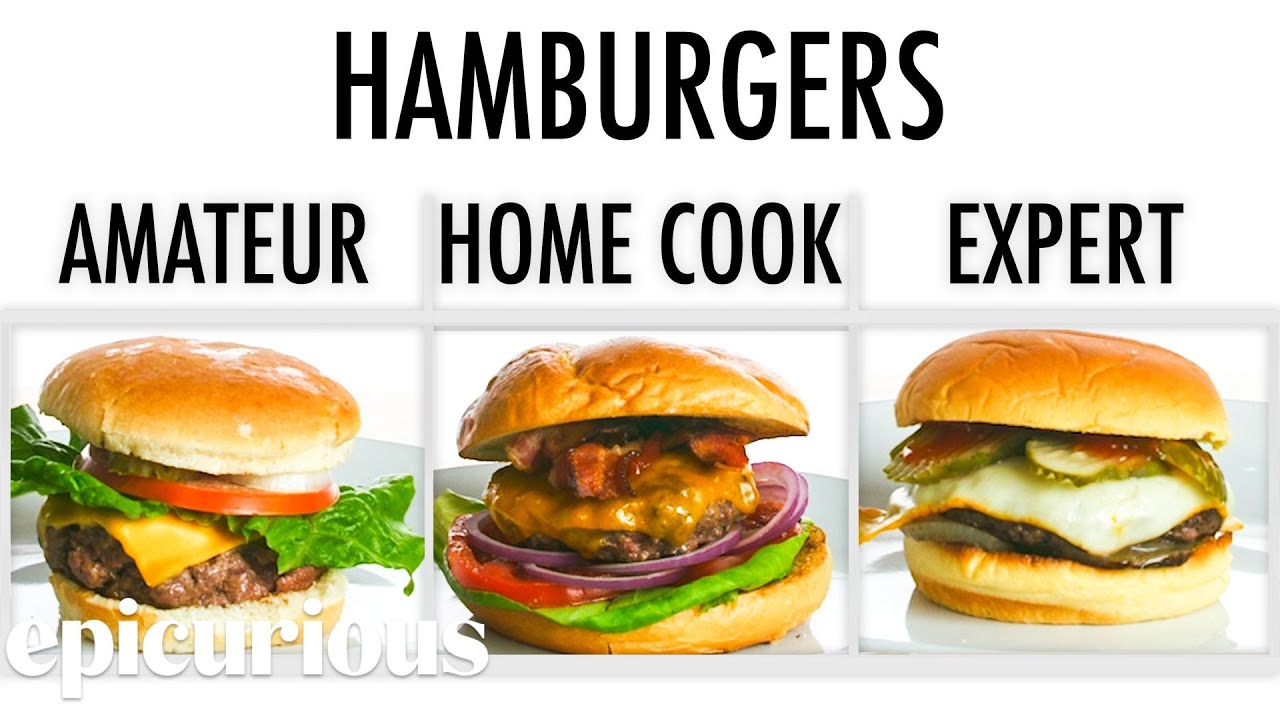
Watching three cooks tackle the same burger — amateur fumbling with seasoning, home cook adding their grandmother's secret, professional chef talking about fat ratios and Maillard reactions — is like watching the entire arc of how we fall in love with food. The amateur is all of us starting out, the home cook is where heart lives, and the chef is what happens when you can't stop asking why. This is the ladder we all climb, one perfectly imperfect burger at a time.
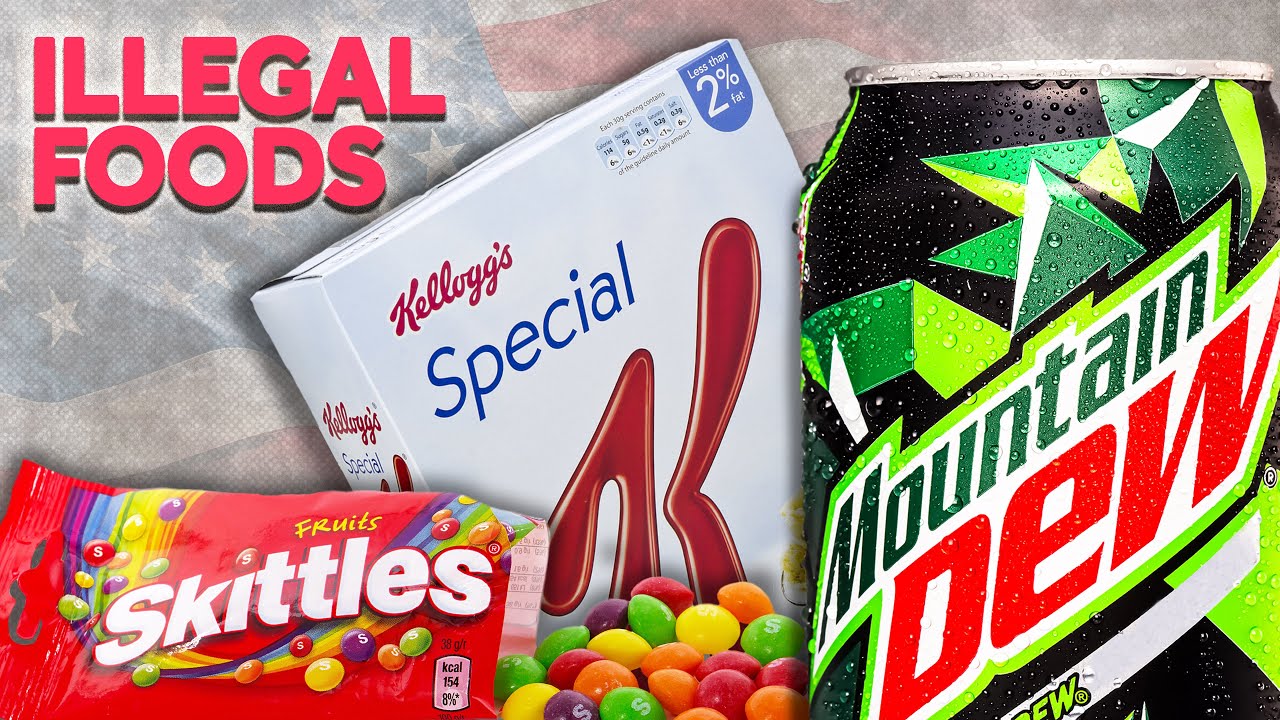
American Foods That Are Banned In Other Countries
I love a good dose of American food shame served with historical context. This deep dive into our regulatory blindness — why we're still pumping growth hormones into beef while Europe said "hell no" decades ago — cuts through the patriotic bullshit to show how money talks louder than food safety. Essential viewing if you've ever wondered why your European chef friends look horrified at our ingredient lists.
Then the chemistry of flavor: how salt enhances, how acid balances, how fat carries flavor compounds to your palate, how sugar caramelizes and at what temperature the sweetness turns to bitterness. Then fermentation — arguably the most important culinary process in human history, from bread to cheese to soy sauce to beer. Each of these is a rabbit hole worth going down.
The science here connects directly to the hands-on practice in Technique & Skill — understanding why something works makes the technique easier to learn. Street Food & Travel shows many of these scientific principles applied intuitively by cooks who've been doing it for generations.