Food Science & History
There comes a point in every cook's development where knowing how stops being enough and knowing why becomes essential. Why does bread rise? What actually happens during caramelization?
Why does acid brighten a dish, and at what point does it destroy it? The science behind cooking isn't academic trivia. It's the knowledge that lets you improvise when something goes wrong, adapt a recipe to different conditions, and understand what you're actually doing instead of just following steps.
Culinary history is the same kind of deeper knowledge — understanding where a technique came from, how a cuisine developed, why certain flavor combinations work across cultures. These videos go beneath the surface of cooking into the mechanics and the story.
The Limits of Following Recipes
A recipe tells you what to do. It doesn't tell you why, and it doesn't tell you what to do when conditions change. Your kitchen is hotter than the one where the recipe was tested.
Your oven runs ten degrees cooler. The humidity is different, which changes how flour absorbs water, which changes the texture of everything you bake. A cook who only knows the recipe is stuck when the recipe doesn't work.
A cook who understands the science can diagnose the problem and adjust. That's the real value of this knowledge — not impressing people at dinner parties, but having the understanding to fix things in real time, under pressure, when there's no time to look anything up.
The Limits of Following Recipes
A recipe tells you what to do. It doesn't tell you why, and it doesn't tell you what to do when conditions change. Your kitchen is hotter than the one where the recipe was tested.
Your oven runs ten degrees cooler. The humidity is different, which changes how flour absorbs water, which changes the texture of everything you bake. A cook who only knows the recipe is stuck when the recipe doesn't work.
A cook who understands the science can diagnose the problem and adjust. That's the real value of this knowledge — not impressing people at dinner parties, but having the understanding to fix things in real time, under pressure, when there's no time to look anything up.
“A cook who only knows the recipe is stuck when the recipe doesn't work.”
The Knowledge Underneath the Craft
215 videosVideos on food chemistry, fermentation science, the Maillard reaction, culinary history, and the deeper understanding that makes technique intuitive instead of mechanical.
129 videos tagged “Food Science”
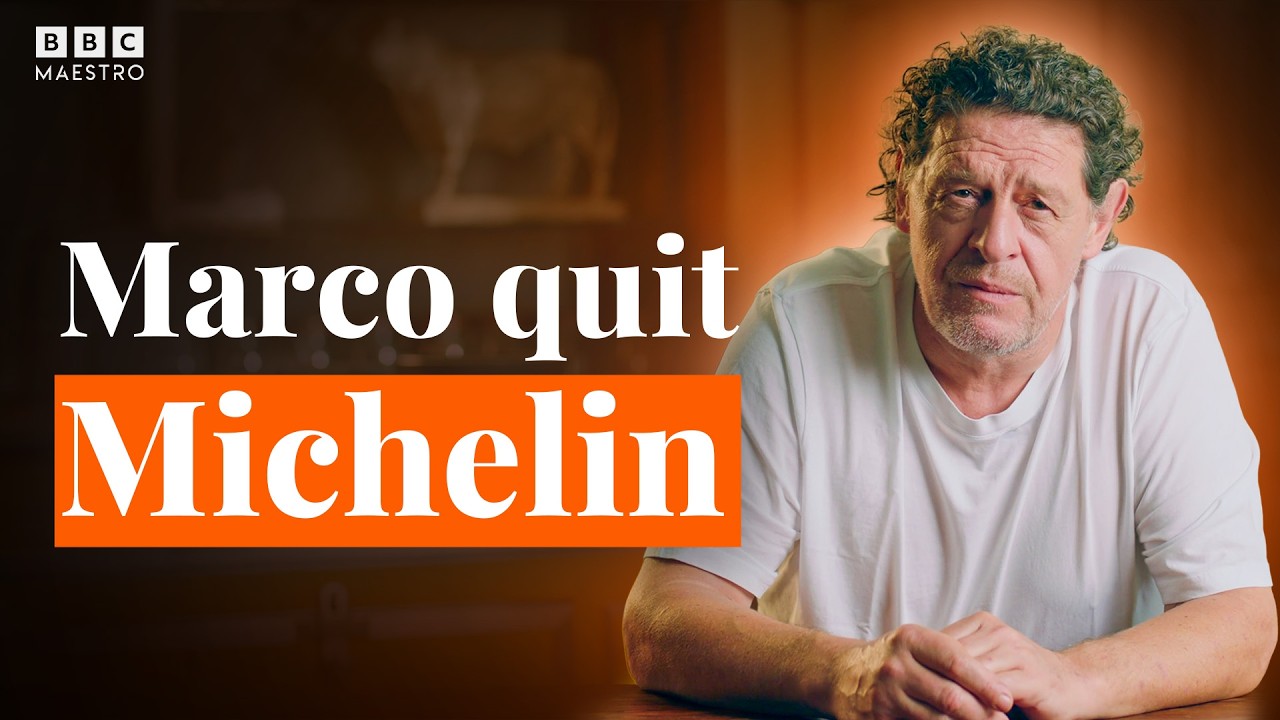
Why Marco Pierre White GAVE UP on Michelin | Meet your Maestro | BBC Maestro
Three stars. The highest honor the Michelin Guide can bestow — and Marco Pierre White handed them back. Not because the food slipped, not because the covers dried up, but because he realized the game had become the ceiling. In this BBC Maestro segment, White explains the moment he understood that cooking for inspectors had replaced cooking for guests, that the relentless pursuit of perfection had calcified into performance. It is a rare thing to watch someone walk away from the top of the mountain and sound relieved rather than bitter. For any chef grinding through seventy-hour weeks chasing stars or scores or reviews, this is the counter-argument you did not know you needed — the case that the most powerful move in a kitchen career might be deciding what you refuse to chase.
![THE SCIENCE BEHIND KOMBUCHA [fermentation, symbiosis, and types of microbes; science of food]](https://i.ytimg.com/vi/ghHG2FLkiew/maxresdefault.jpg)
THE SCIENCE BEHIND KOMBUCHA [fermentation, symbiosis, and types of microbes; science of food]
Worth watching for anyone in the kitchen game. Bite Scized Education brings real perspective here.
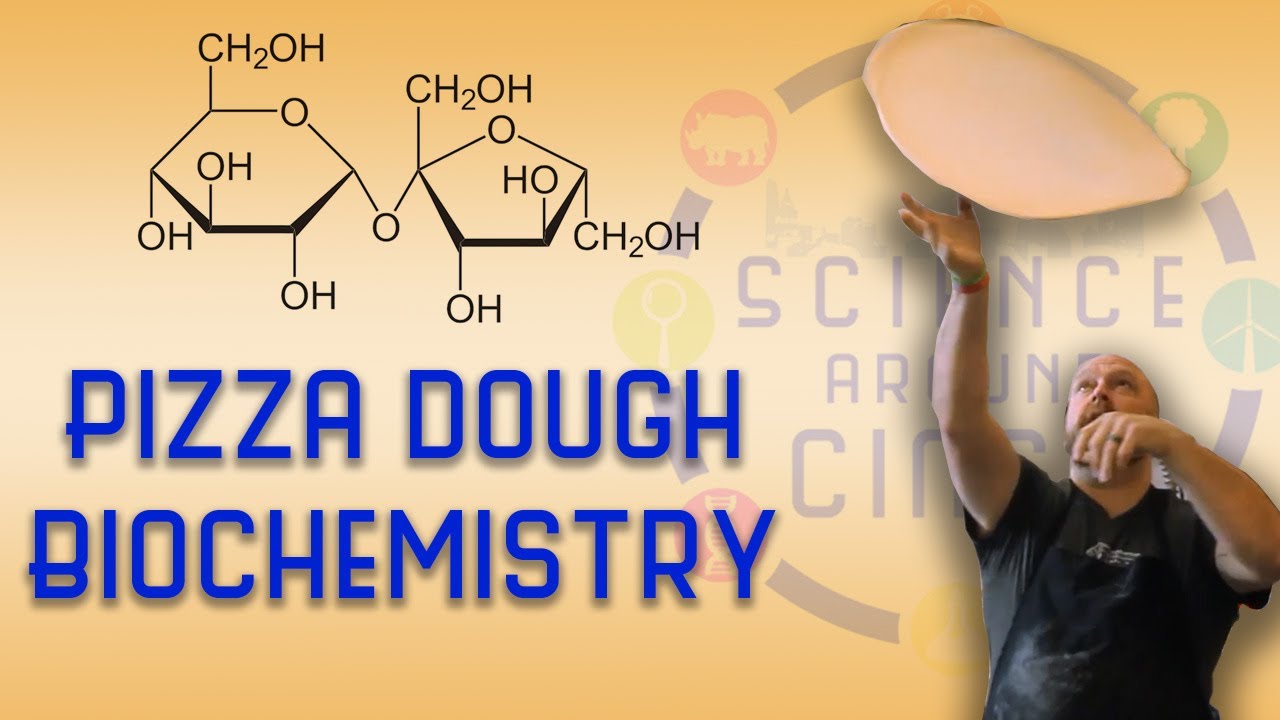
Pizza Dough Biochemistry - Fireside Pizza | Science Around Cincy
Worth watching for anyone in the kitchen game. Science Around Cincy brings real perspective here.

What Is Cool About Fermentation? - Food Science
Worth watching for anyone in the kitchen game. Kiki Sanford brings real perspective here.
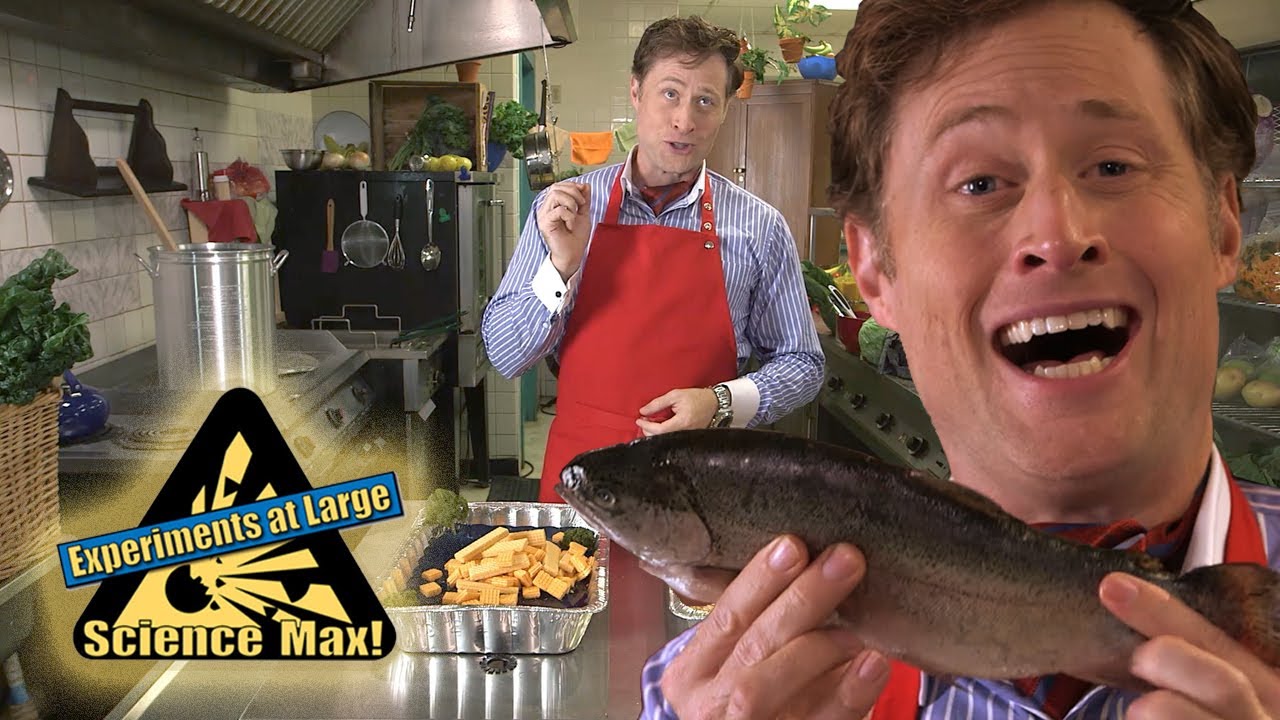
Best Of Cooking With Science | Season 2 | Science Max
Worth watching for anyone in the kitchen game. Science Max - Scholastic brings real perspective here.

Sandorkraut: A Pickle Maker | Op-Docs | The New York Times
Worth watching for anyone in the kitchen game. New York Times Opinion brings real perspective here.

The Science of Kombucha
Worth watching for anyone in the kitchen game. Reactions brings real perspective here.
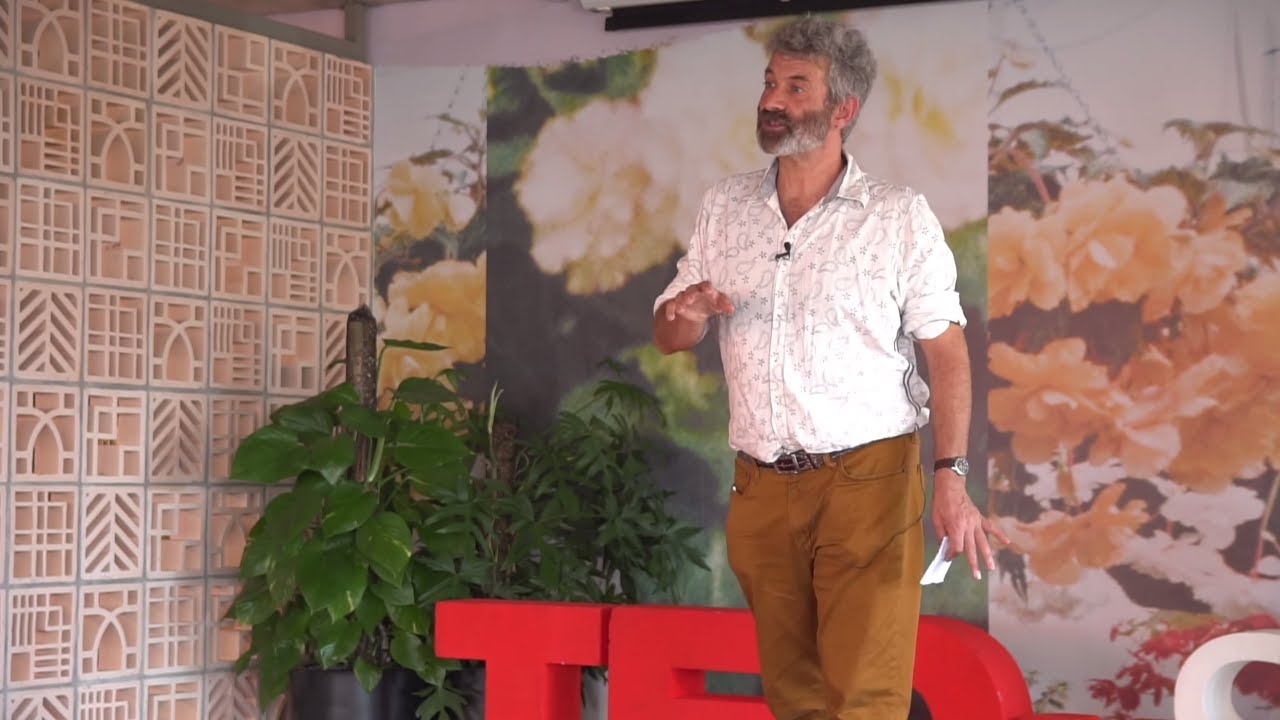
Wild Fermentation and the Power of Bacteria | Sandor Katz | TEDxSaoPauloSalon
Worth watching for anyone in the kitchen game. TEDx Talks brings real perspective here.

The wonderful world of vitamin B12 | The Royal Society
Worth watching for anyone in the kitchen game. The Royal Society brings real perspective here.
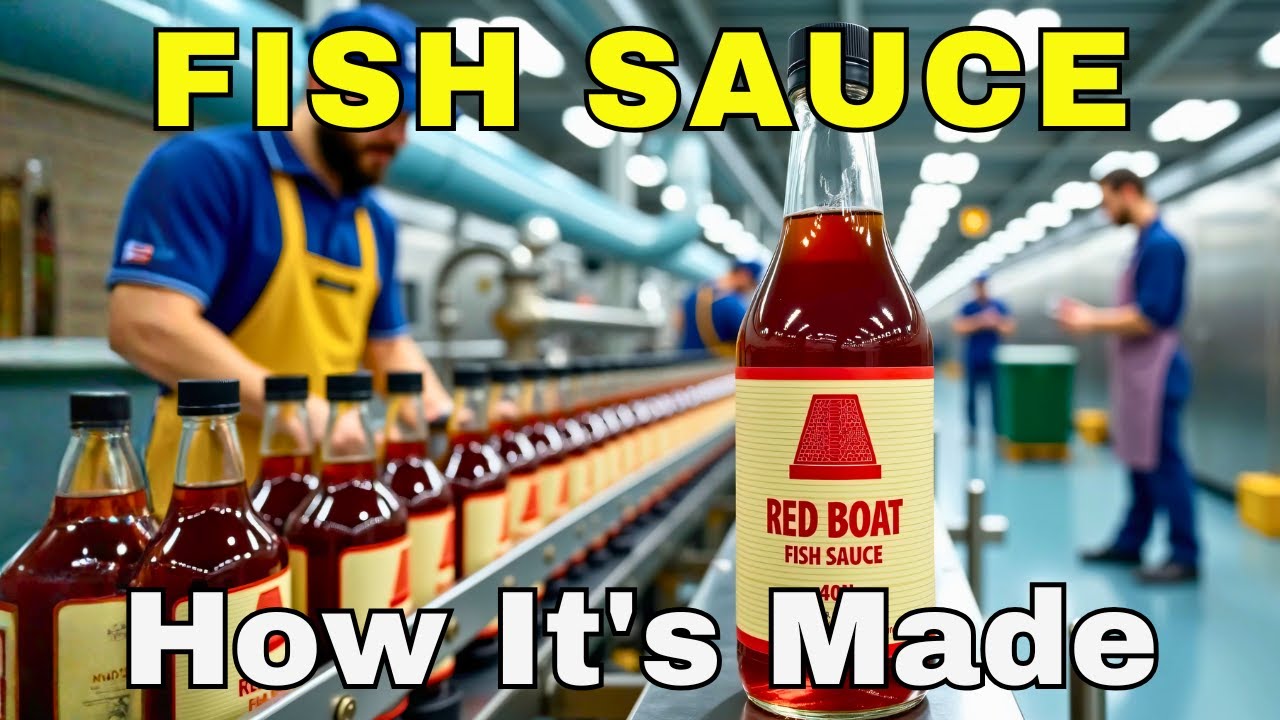
The Truth About Fish Sauce – The Ancient Science of Umami
Worth watching for anyone in the kitchen game. The Process brings real perspective here.

Why live culture fermented foods are good for your gut | Kathryn Lukas | TEDxUniversityofNevada
Worth watching for anyone in the kitchen game. TEDx Talks brings real perspective here.
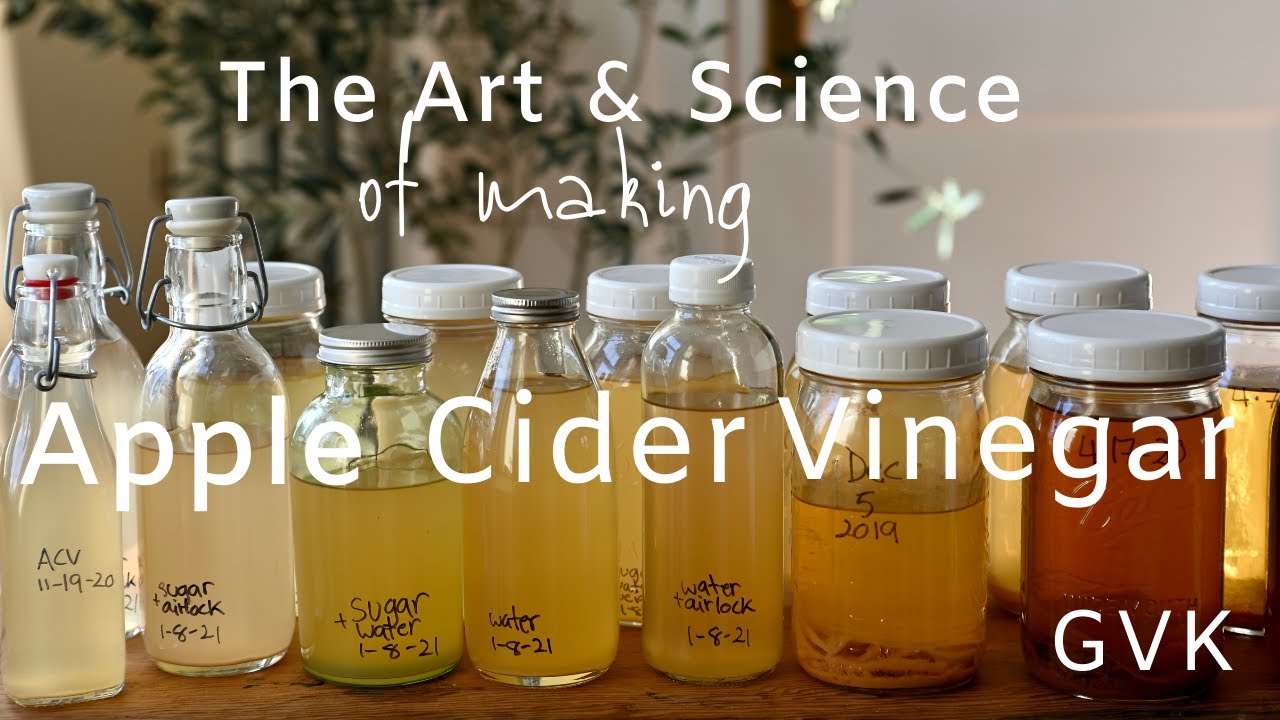
The Art & Science of Making Apple Cider Vinegar
Worth watching for anyone in the kitchen game. Gourmet Vegetarian Kitchen brings real perspective here.
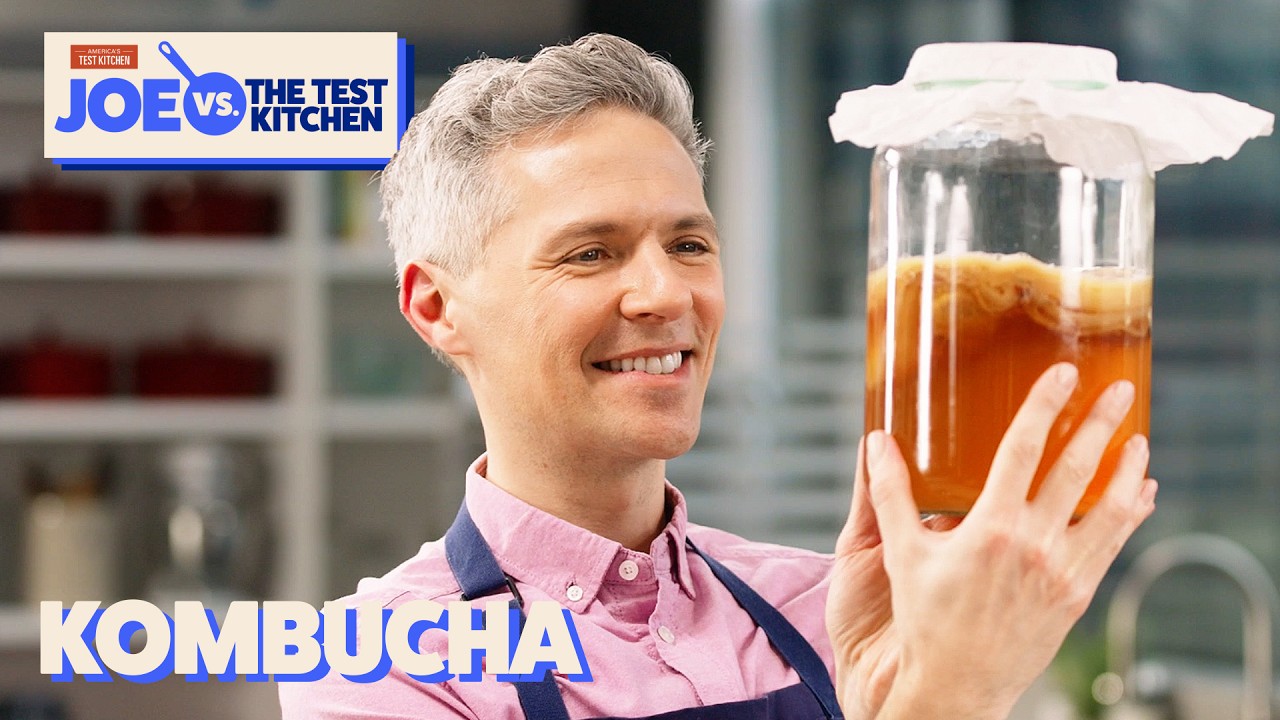
Fizzy, Flavored Kombucha: Everything You Should Know | Joe vs. The Test Kitchen
Worth watching for anyone in the kitchen game. America's Test Kitchen brings real perspective here.
Science of Cider - Alcoholic Fermentation
Worth watching for anyone in the kitchen game. StoneAgeMan brings real perspective here.

What Is Fermentation and How Does It Work? | Successful Fermentation Tips | Esco Lifesciences
Worth watching for anyone in the kitchen game. Esco Lifesciences Group brings real perspective here.
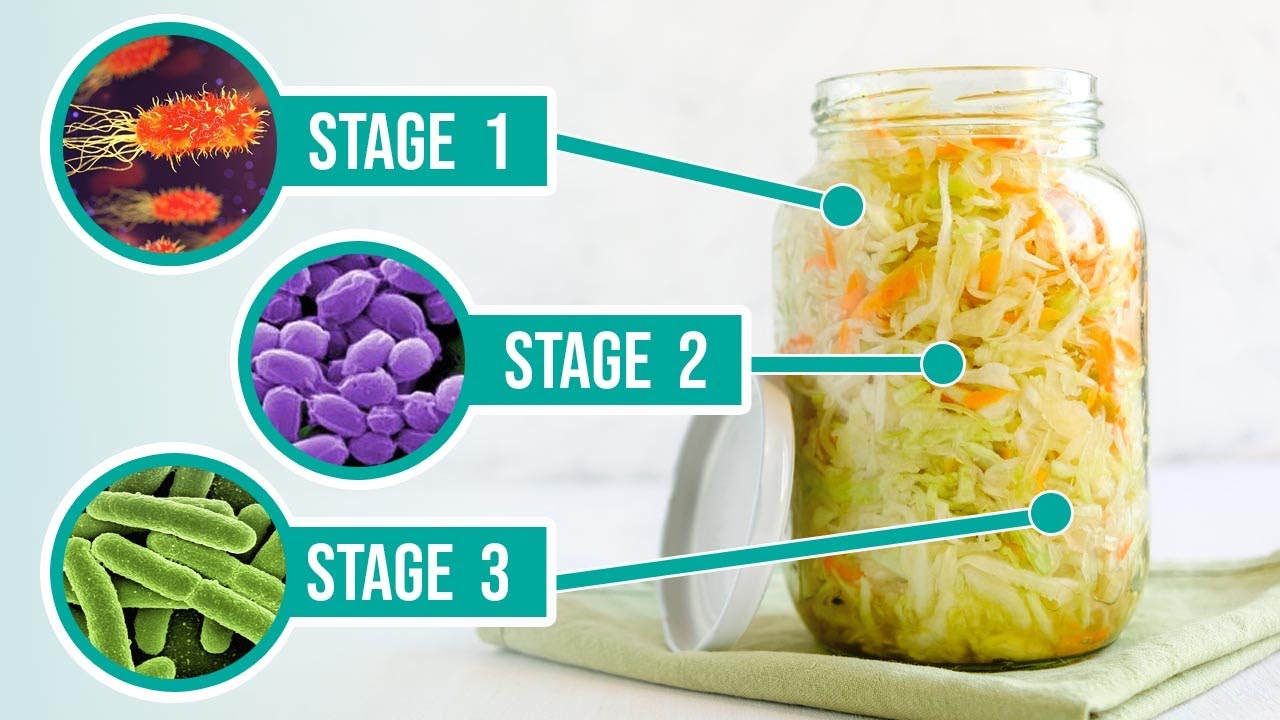
The Process of Fermentation - The 3 Crucial Stages of Fermenting Vegetables
Worth watching for anyone in the kitchen game. Clean Food Living brings real perspective here.

How to Cook Beans for Maximum Benefit | Science in the Kitchen
Worth watching for anyone in the kitchen game. Nutrition Made Simple! brings real perspective here.

Milk Kefir: The Superfood You NEED to Know About (Latest Gut Health Research)
Worth watching for anyone in the kitchen game. High Intensity Health brings real perspective here.
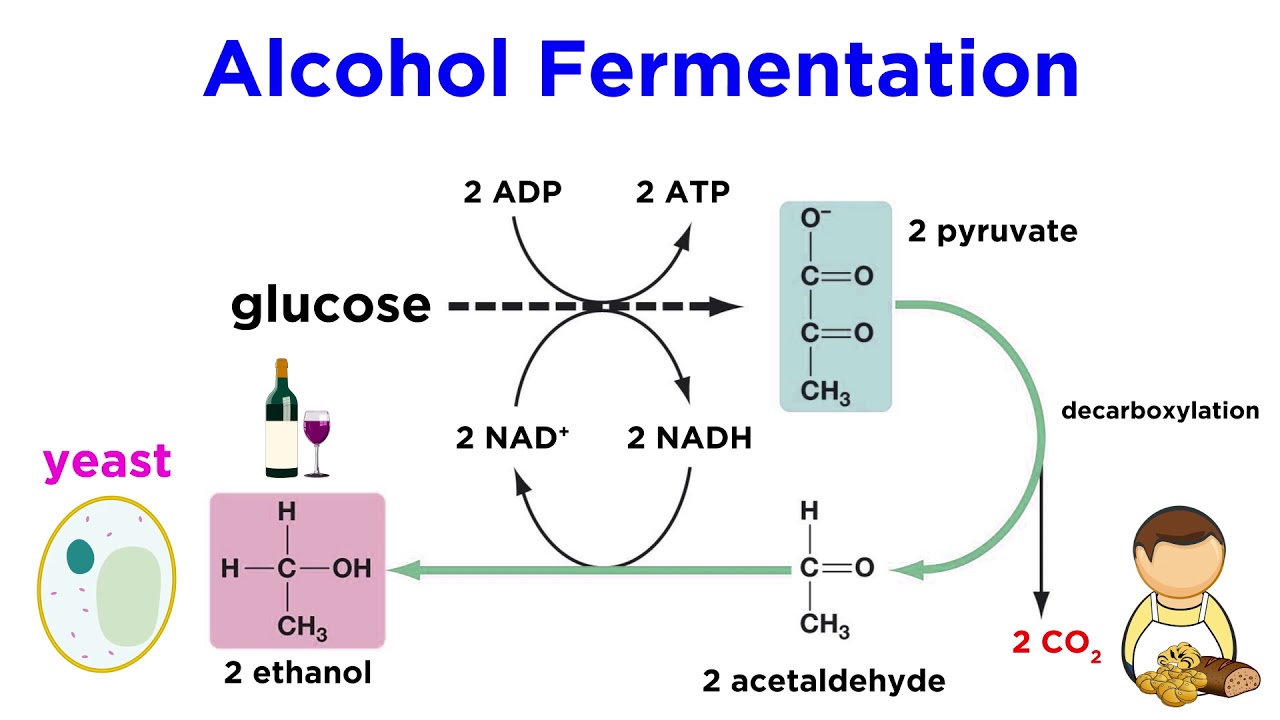
Anaerobic Respiration and Fermentation
Worth watching for anyone in the kitchen game. Professor Dave Explains brings real perspective here.

Lacto Ferment Vegetables! Old School Way Of Preserving Food
Worth watching for anyone in the kitchen game. Country Living Experience: A Homesteading Journey brings real perspective here.

How and why sauces 'break' (or don't)
Worth watching for anyone in the kitchen game. Adam Ragusea brings real perspective here.

The 5 things you NEED to know for better GUT HEALTH with Professor Tim Spector
Worth watching for anyone in the kitchen game. ZOE brings real perspective here.
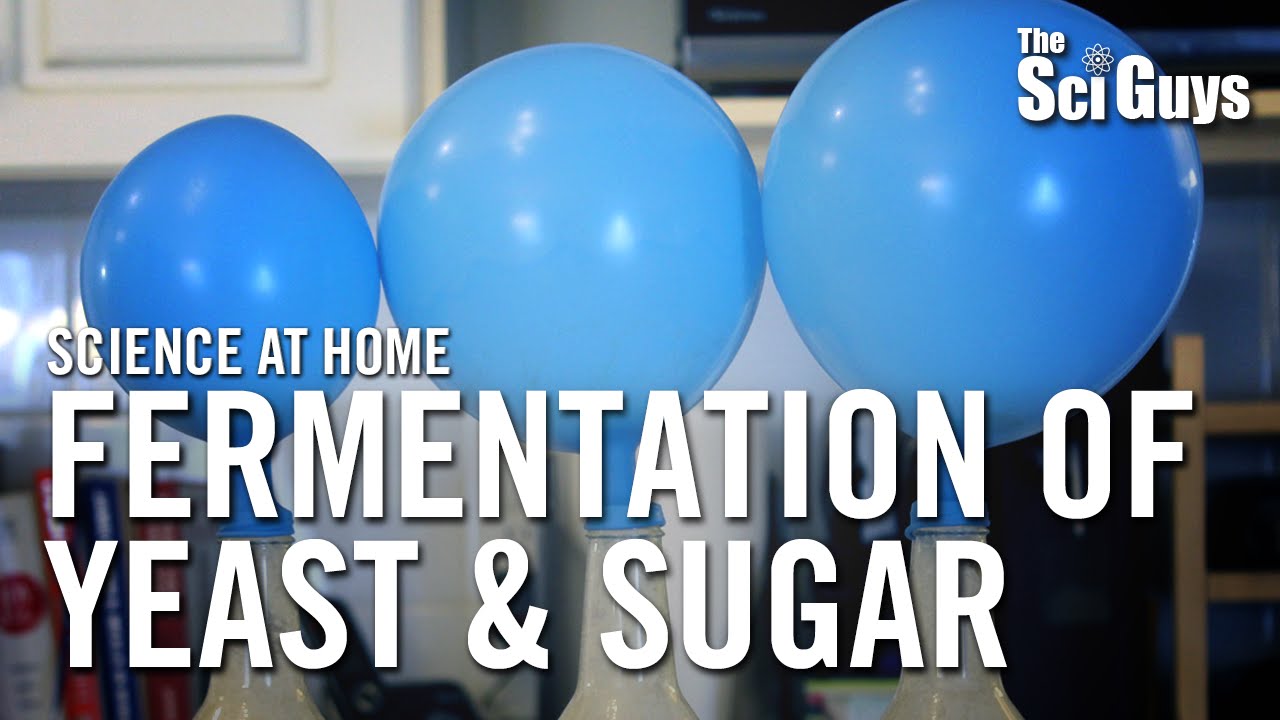
Fermentation of Yeast & Sugar - The Sci Guys: Science at Home
Worth watching for anyone in the kitchen game. The Sci Guys brings real perspective here.

The Science of Fermentation: Lactofermentation
Worth watching for anyone in the kitchen game. krishashok brings real perspective here.
Then the chemistry of flavor: how salt enhances, how acid balances, how fat carries flavor compounds to your palate, how sugar caramelizes and at what temperature the sweetness turns to bitterness. Then fermentation — arguably the most important culinary process in human history, from bread to cheese to soy sauce to beer. Each of these is a rabbit hole worth going down.
The science here connects directly to the hands-on practice in Technique & Skill — understanding why something works makes the technique easier to learn. Street Food & Travel shows many of these scientific principles applied intuitively by cooks who've been doing it for generations.