Food Science & History
There comes a point in every cook's development where knowing how stops being enough and knowing why becomes essential. Why does bread rise? What actually happens during caramelization?
Why does acid brighten a dish, and at what point does it destroy it? The science behind cooking isn't academic trivia. It's the knowledge that lets you improvise when something goes wrong, adapt a recipe to different conditions, and understand what you're actually doing instead of just following steps.
Culinary history is the same kind of deeper knowledge — understanding where a technique came from, how a cuisine developed, why certain flavor combinations work across cultures. These videos go beneath the surface of cooking into the mechanics and the story.
The Limits of Following Recipes
A recipe tells you what to do. It doesn't tell you why, and it doesn't tell you what to do when conditions change. Your kitchen is hotter than the one where the recipe was tested.
Your oven runs ten degrees cooler. The humidity is different, which changes how flour absorbs water, which changes the texture of everything you bake. A cook who only knows the recipe is stuck when the recipe doesn't work.
A cook who understands the science can diagnose the problem and adjust. That's the real value of this knowledge — not impressing people at dinner parties, but having the understanding to fix things in real time, under pressure, when there's no time to look anything up.
The Limits of Following Recipes
A recipe tells you what to do. It doesn't tell you why, and it doesn't tell you what to do when conditions change. Your kitchen is hotter than the one where the recipe was tested.
Your oven runs ten degrees cooler. The humidity is different, which changes how flour absorbs water, which changes the texture of everything you bake. A cook who only knows the recipe is stuck when the recipe doesn't work.
A cook who understands the science can diagnose the problem and adjust. That's the real value of this knowledge — not impressing people at dinner parties, but having the understanding to fix things in real time, under pressure, when there's no time to look anything up.
“A cook who only knows the recipe is stuck when the recipe doesn't work.”
The Knowledge Underneath the Craft
215 videosVideos on food chemistry, fermentation science, the Maillard reaction, culinary history, and the deeper understanding that makes technique intuitive instead of mechanical.
2 videos tagged “Gordon Ramsay”
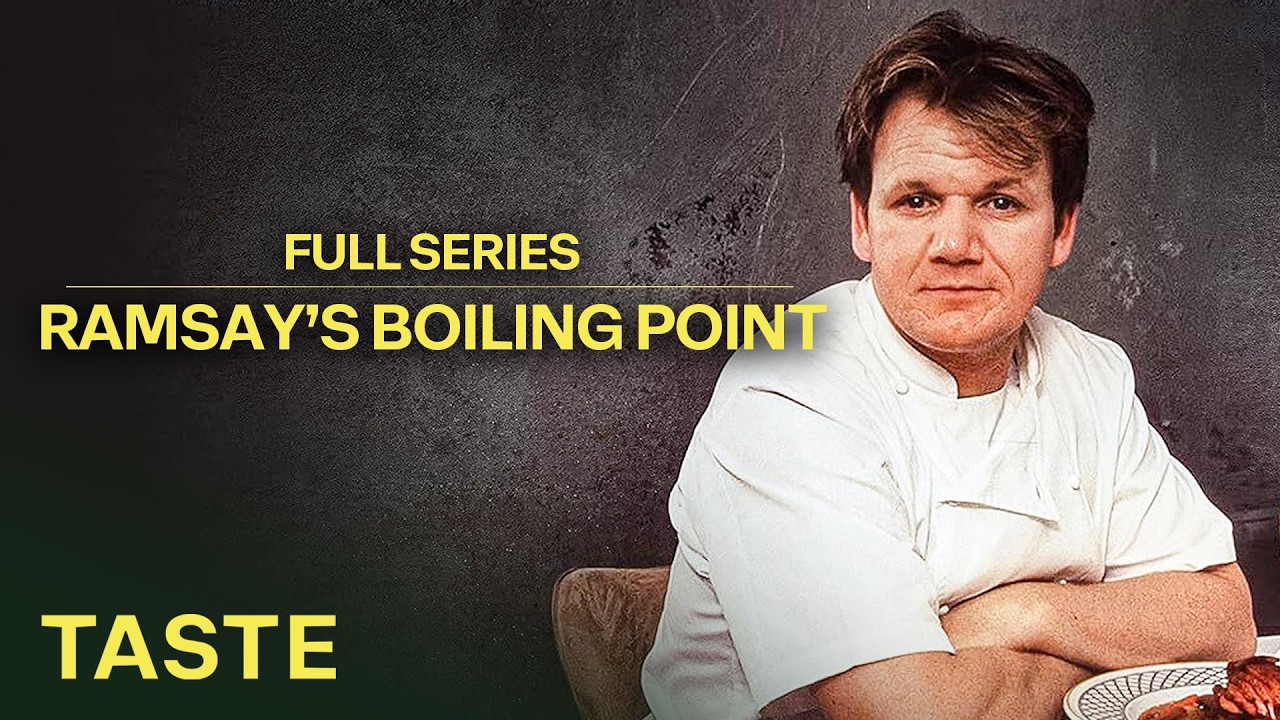
Ramsay's Boiling Point | Full Series Season 1
Before the TV empire, before the global brand, there was a twenty-six-year-old chef with borrowed money and a temper that could strip paint. Boiling Point is the documentary that made Gordon Ramsay famous — not for his food, but for the raw, unfiltered violence of his ambition. Every screaming match, every plate thrown, every whispered moment of doubt is real. This is not reality television. This is reality. If you have ever wondered what opening your own restaurant actually costs — not in money, but in relationships, sleep, and sanity — this full series is the answer nobody warned you about.

Gordon's Guide To Herbs
Gordon Ramsay talking herbs sounds like it should be another celebrity chef moment, all flash and fury, but watch him handle that basil and something shifts. You can see the line cook still buried in there, the guy who learned that proper herbs aren't garnish — they're the difference between food that works and food that doesn't. He's not selling you romance about gardens and terroir; he's showing you what actually grows flavor in the real world. Anyone who's ever grabbed wilted parsley from the walk-in at midnight knows exactly what he means.
Then the chemistry of flavor: how salt enhances, how acid balances, how fat carries flavor compounds to your palate, how sugar caramelizes and at what temperature the sweetness turns to bitterness. Then fermentation — arguably the most important culinary process in human history, from bread to cheese to soy sauce to beer. Each of these is a rabbit hole worth going down.
The science here connects directly to the hands-on practice in Technique & Skill — understanding why something works makes the technique easier to learn. Street Food & Travel shows many of these scientific principles applied intuitively by cooks who've been doing it for generations.