Food Science & History
There comes a point in every cook's development where knowing how stops being enough and knowing why becomes essential. Why does bread rise? What actually happens during caramelization?
Why does acid brighten a dish, and at what point does it destroy it? The science behind cooking isn't academic trivia. It's the knowledge that lets you improvise when something goes wrong, adapt a recipe to different conditions, and understand what you're actually doing instead of just following steps.
Culinary history is the same kind of deeper knowledge — understanding where a technique came from, how a cuisine developed, why certain flavor combinations work across cultures. These videos go beneath the surface of cooking into the mechanics and the story.
The Limits of Following Recipes
A recipe tells you what to do. It doesn't tell you why, and it doesn't tell you what to do when conditions change. Your kitchen is hotter than the one where the recipe was tested.
Your oven runs ten degrees cooler. The humidity is different, which changes how flour absorbs water, which changes the texture of everything you bake. A cook who only knows the recipe is stuck when the recipe doesn't work.
A cook who understands the science can diagnose the problem and adjust. That's the real value of this knowledge — not impressing people at dinner parties, but having the understanding to fix things in real time, under pressure, when there's no time to look anything up.
The Limits of Following Recipes
A recipe tells you what to do. It doesn't tell you why, and it doesn't tell you what to do when conditions change. Your kitchen is hotter than the one where the recipe was tested.
Your oven runs ten degrees cooler. The humidity is different, which changes how flour absorbs water, which changes the texture of everything you bake. A cook who only knows the recipe is stuck when the recipe doesn't work.
A cook who understands the science can diagnose the problem and adjust. That's the real value of this knowledge — not impressing people at dinner parties, but having the understanding to fix things in real time, under pressure, when there's no time to look anything up.
“A cook who only knows the recipe is stuck when the recipe doesn't work.”
The Knowledge Underneath the Craft
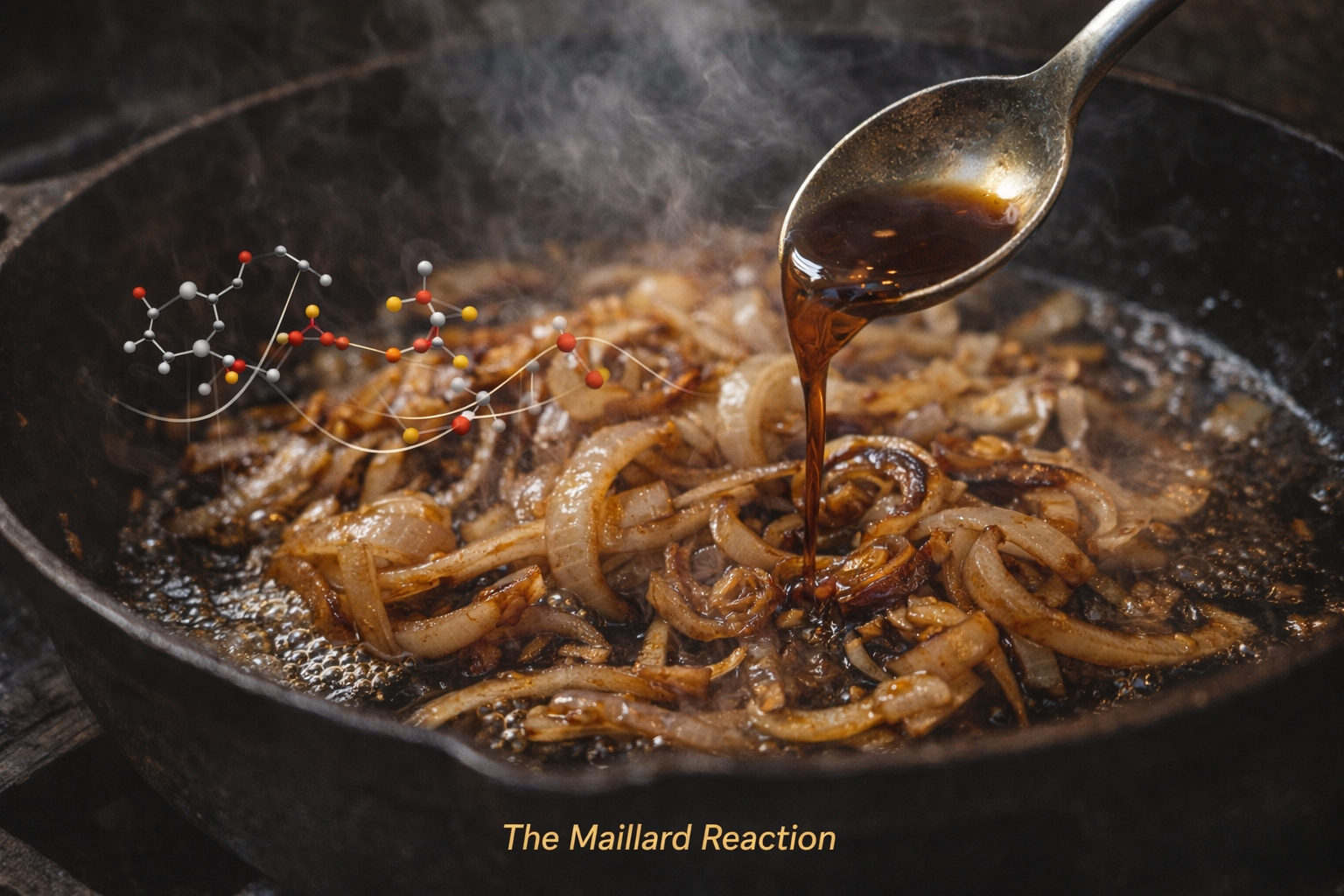
208 videosVideos on food chemistry, fermentation science, the Maillard reaction, culinary history, and the deeper understanding that makes technique intuitive instead of mechanical.
2 videos tagged “Indian”

How a Michelin Star Indian Chef Makes Chicken Curry at Home | Passport Kitchen | Epicurious
Watch a Michelin-starred chef strip away all the restaurant theater and cook the way his grandmother taught him — onions caramelized until they surrender, spices bloomed in hot oil until they release everything they have. Bhardwaj's hands move like muscle memory while he talks through techniques most of us learned wrong from YouTube videos and cookbook photos. This is what real Indian cooking looks like when nobody's watching, when it's just about feeding people who matter.

Master Chef Answers Indian Food & Curry Questions From Twitter | WIRED
Chef Meherwan Irani fields Twitter questions about Indian food with the patience of someone who's explained the difference between curry powder and actual curry about a thousand times. You watch him break down regional spice blends and cooking techniques, and there's something deeply satisfying about hearing someone who actually knows what they're talking about cut through all the Western misconceptions. Anyone who's ever had to explain why their grandmother's recipe can't be replicated with whatever's in the grocery store spice aisle will recognize that look in his eyes.
Then the chemistry of flavor: how salt enhances, how acid balances, how fat carries flavor compounds to your palate, how sugar caramelizes and at what temperature the sweetness turns to bitterness. Then fermentation — arguably the most important culinary process in human history, from bread to cheese to soy sauce to beer. Each of these is a rabbit hole worth going down.
The science here connects directly to the hands-on practice in Technique & Skill — understanding why something works makes the technique easier to learn. Street Food & Travel shows many of these scientific principles applied intuitively by cooks who've been doing it for generations.