Food Science & History
There comes a point in every cook's development where knowing how stops being enough and knowing why becomes essential. Why does bread rise? What actually happens during caramelization?
Why does acid brighten a dish, and at what point does it destroy it? The science behind cooking isn't academic trivia. It's the knowledge that lets you improvise when something goes wrong, adapt a recipe to different conditions, and understand what you're actually doing instead of just following steps.
Culinary history is the same kind of deeper knowledge — understanding where a technique came from, how a cuisine developed, why certain flavor combinations work across cultures. These videos go beneath the surface of cooking into the mechanics and the story.
The Limits of Following Recipes
A recipe tells you what to do. It doesn't tell you why, and it doesn't tell you what to do when conditions change. Your kitchen is hotter than the one where the recipe was tested.
Your oven runs ten degrees cooler. The humidity is different, which changes how flour absorbs water, which changes the texture of everything you bake. A cook who only knows the recipe is stuck when the recipe doesn't work.
A cook who understands the science can diagnose the problem and adjust. That's the real value of this knowledge — not impressing people at dinner parties, but having the understanding to fix things in real time, under pressure, when there's no time to look anything up.
The Limits of Following Recipes
A recipe tells you what to do. It doesn't tell you why, and it doesn't tell you what to do when conditions change. Your kitchen is hotter than the one where the recipe was tested.
Your oven runs ten degrees cooler. The humidity is different, which changes how flour absorbs water, which changes the texture of everything you bake. A cook who only knows the recipe is stuck when the recipe doesn't work.
A cook who understands the science can diagnose the problem and adjust. That's the real value of this knowledge — not impressing people at dinner parties, but having the understanding to fix things in real time, under pressure, when there's no time to look anything up.
“A cook who only knows the recipe is stuck when the recipe doesn't work.”
The Knowledge Underneath the Craft
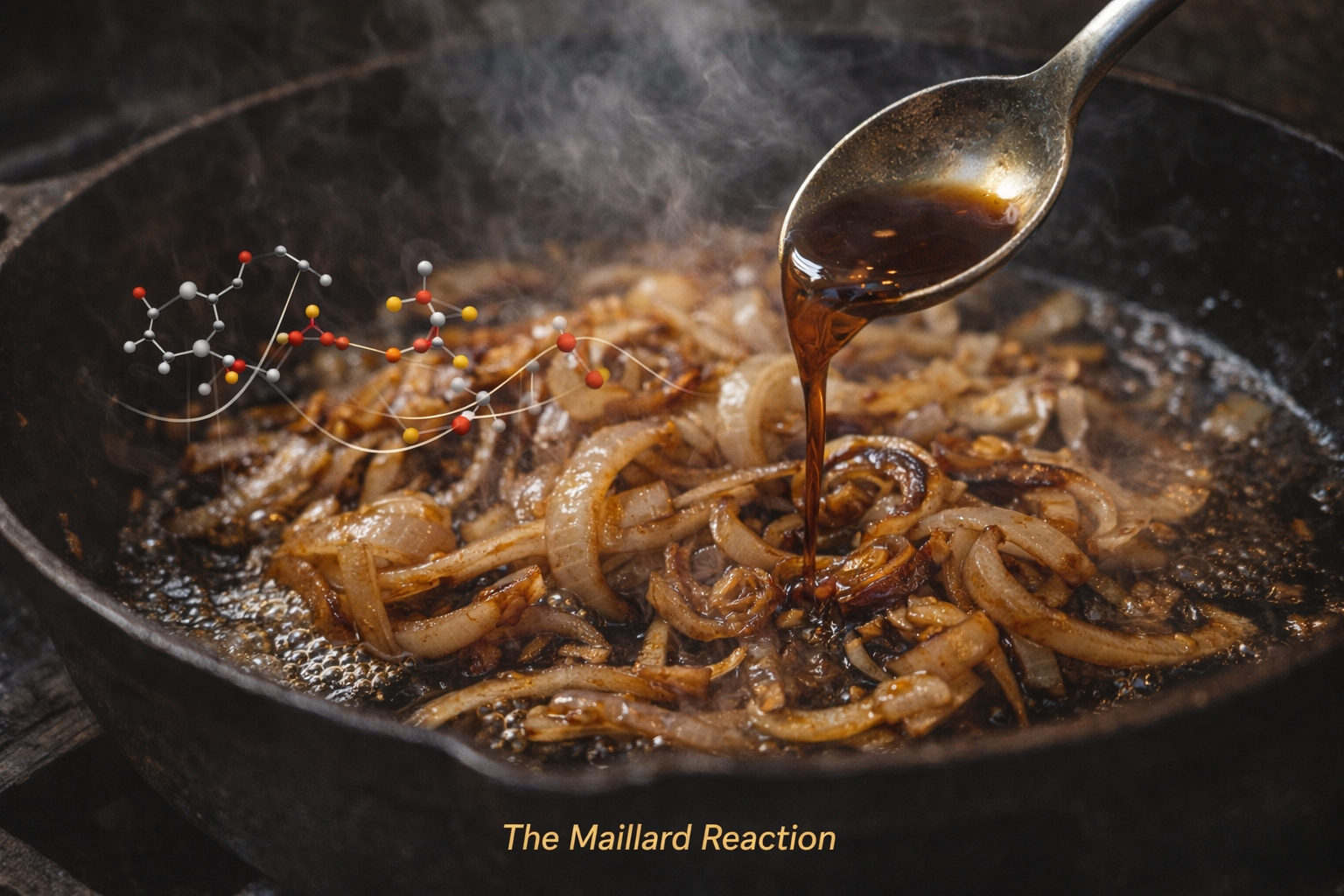
215 videosVideos on food chemistry, fermentation science, the Maillard reaction, culinary history, and the deeper understanding that makes technique intuitive instead of mechanical.
8 videos tagged “Italian”
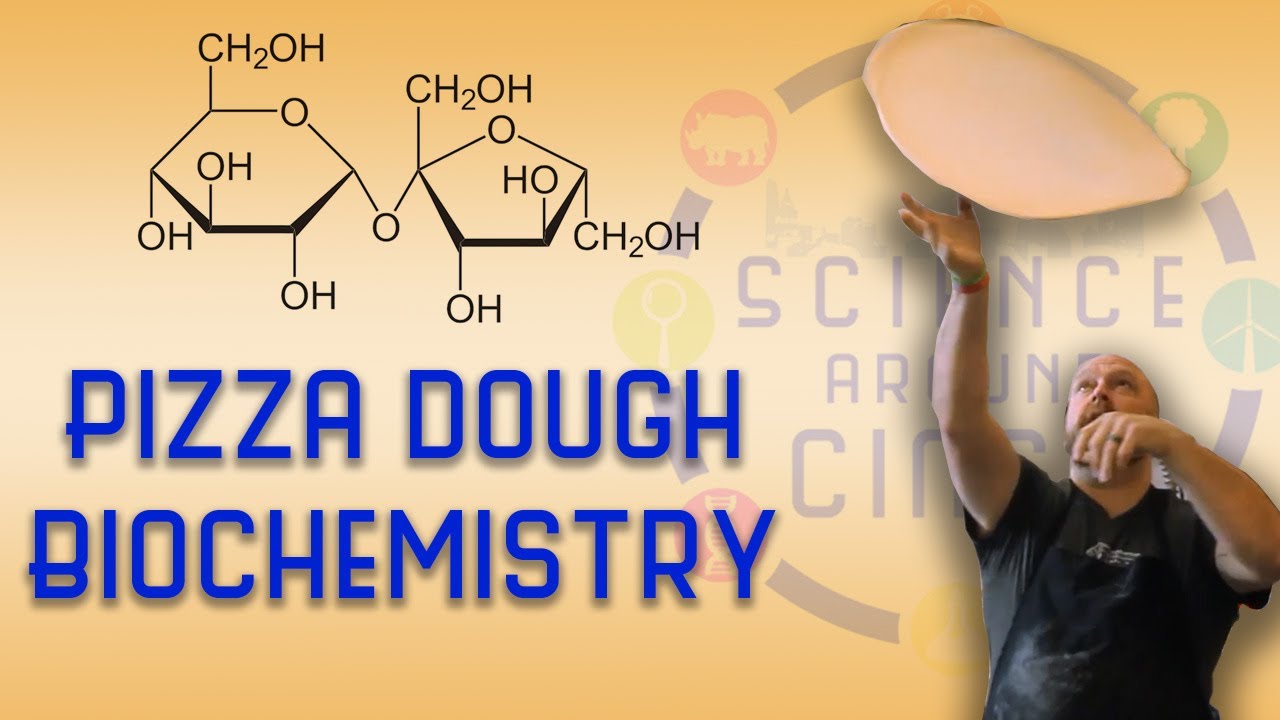
Pizza Dough Biochemistry - Fireside Pizza | Science Around Cincy
Worth watching for anyone in the kitchen game. Science Around Cincy brings real perspective here.
How America’s Abundance Gave Way To Italian American Cuisine | Close To Home
Every operator thinks they're serving "authentic" cuisine until they realize authenticity is just scarcity with better marketing. These Italian-American classics weren't bastardizations — they were smart adaptations by cooks who understood their customers and their supply chain better than the food critics ever would. You want to survive in this business? Learn what these immigrants knew: give people what they actually want to eat, not what you think they should want.

Better Pizza Through Chemistry
You've tasted a thousand mediocre pies, watched cooks who think pizza is just bread with toppings, seen owners chase trends instead of fundamentals. Two chemistry tweaks — that's what separates the cardboard from the crust that actually snaps when you fold it. Anyone who's ever pulled a sorry excuse for pizza from a deck oven knows exactly why this matters.

4 Levels of Tiramisu: Amateur to Food Scientist | Epicurious
Four hands, same dish, completely different universes — the home cook measuring with coffee cups, the chef building layers like architecture, the food scientist explaining why mascarpone breaks when you look at it wrong. You've tasted a thousand tiramisus, but watching someone nail the coffee-to-booze ratio while explaining the science behind zabaglione foam hits different. This is what separates the line cook who can follow a recipe from the chef who understands why it works.

What is Umami? The Fifth Taste Explained (with Umami Pizza) | Serving Up Science
Every line cook who's ever dropped a proper parmesan crisp on a dish knows that moment when something clicks — that deep, mouth-coating satisfaction that makes people order the same thing twice. This PBS breakdown cuts through the food media mystique around umami to explain what's actually happening on your tongue when you hit it with aged cheese, mushrooms, or a proper anchovy. You've been cooking the fifth taste your whole career. Now you know why it works.

Every Pizza Style We Could Find In the United States
I've eaten pizza in thirty-seven states and still learned something new from every single style they cover here — the way Detroit's steel pans create that lacy, caramelized edge, how New Haven's coal ovens hit 900 degrees and leave those perfect char bubbles on the crust. This is the kind of deep dive that reminds you why regional food traditions matter, why every city thinks their version is the only one that counts.
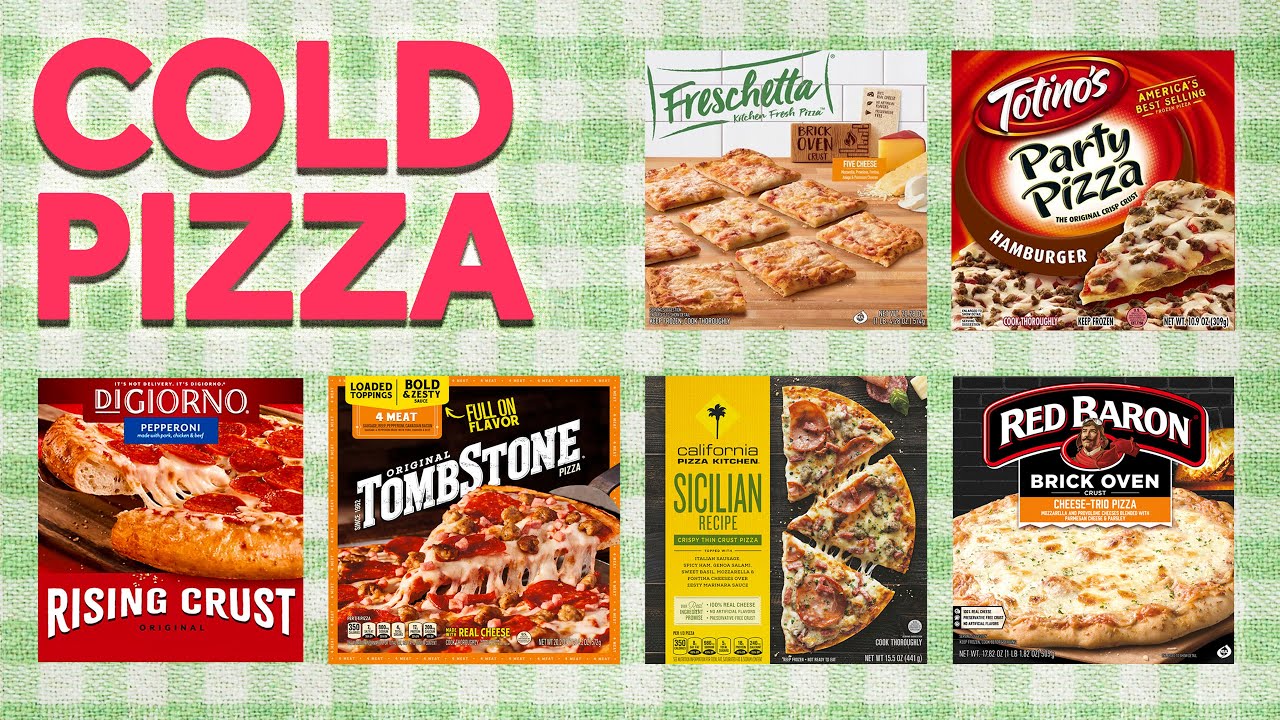
The History of the Frozen Pizza
I spent half my twenties eating frozen pizza at 2 AM after service, never once thinking about the Italian immigrant who invented the damn thing in a New Haven basement in 1957. Watching this breakdown of how Rose Totino turned leftover dough into a billion-dollar industry — that's the kind of American hustle story that reminds you why food history matters more than food snobbery.
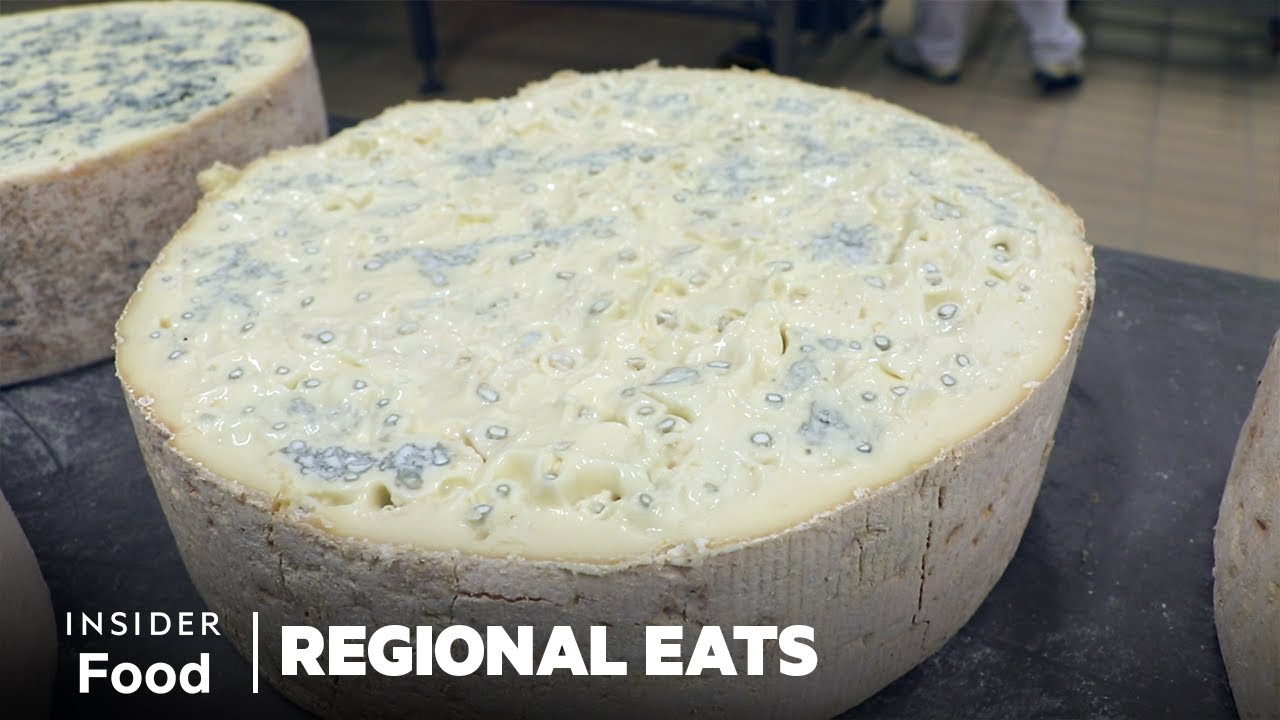
How Italian Gorgonzola Cheese Is Made | Regional Eats | Food Insider
Watching those massive wheels age in temperature-controlled caves, you realize gorgonzola isn't just cheese—it's controlled decay turned into pure profit margins. The precision these Italian producers bring to managing mold and moisture puts most restaurant walk-ins to shame. If you're serious about understanding what real food production looks like, this is your crash course in turning science into gold.
Then the chemistry of flavor: how salt enhances, how acid balances, how fat carries flavor compounds to your palate, how sugar caramelizes and at what temperature the sweetness turns to bitterness. Then fermentation — arguably the most important culinary process in human history, from bread to cheese to soy sauce to beer. Each of these is a rabbit hole worth going down.
The science here connects directly to the hands-on practice in Technique & Skill — understanding why something works makes the technique easier to learn. Street Food & Travel shows many of these scientific principles applied intuitively by cooks who've been doing it for generations.