Inventory & Waste
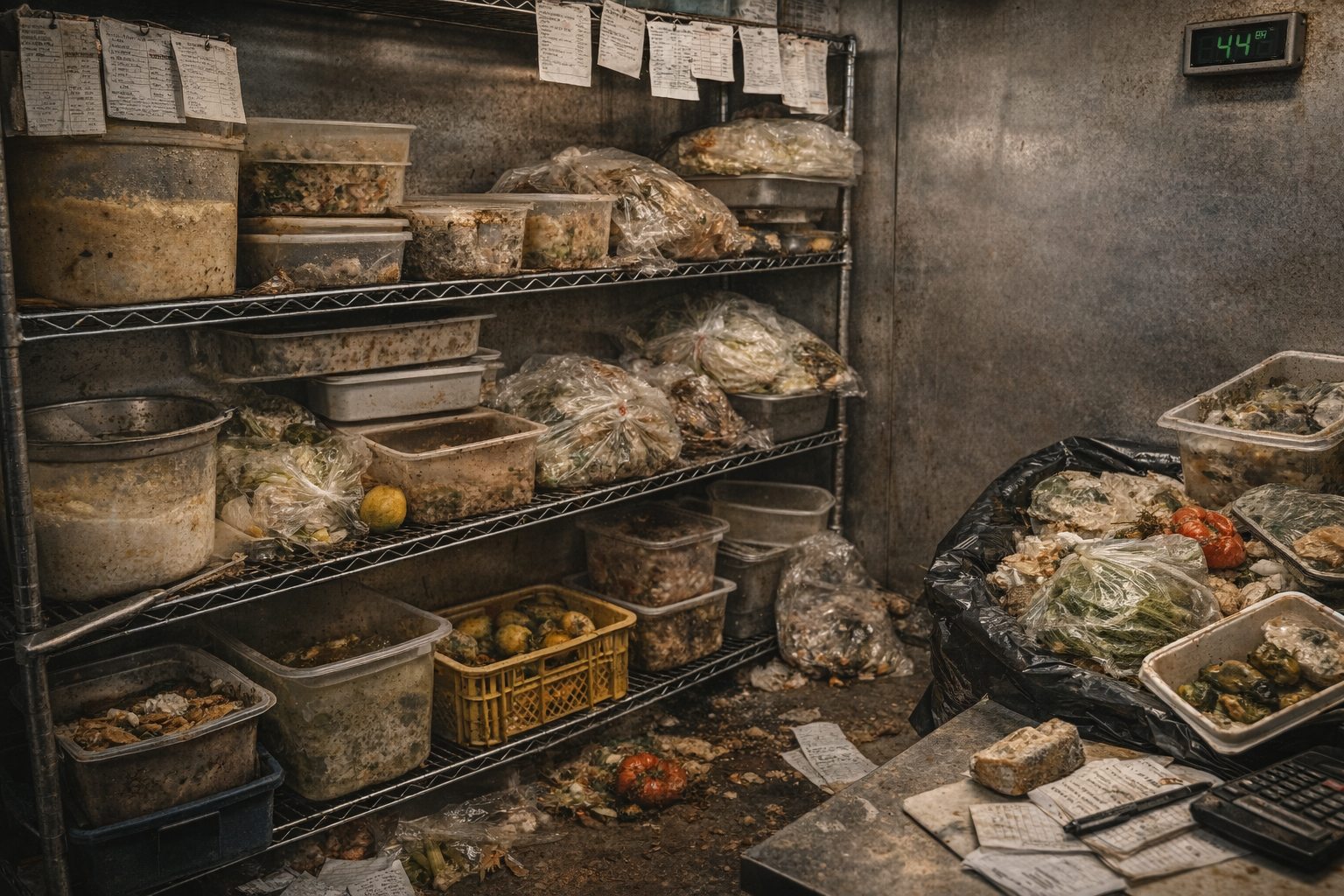
The money you're losing in your kitchen isn't being stolen. It's being thrown away. Overprepped mise en place at the end of service.
Proteins that sat too long because FIFO wasn't enforced. A case of avocados that went from ripe to garbage because nobody checked the walk-in on Sunday. Food waste is the quietest way a restaurant bleeds cash.
It doesn't show up as a single line item. It shows up as a food cost percentage that's two or three points higher than it should be, spread across dozens of small losses that nobody tracks. These videos cover the systems that catch it — inventory counts, waste logs, storage protocols, and the operators who've built the discipline to use them.
Where the Product Actually Disappears
Waste happens in three places and most operators only think about one of them. The obvious one is spoilage — product that expires, wilts, or goes bad before it gets used. That's a purchasing and storage problem.
The second is overproduction — prep quantities based on guesswork rather than actual sales data, sauces made in twice the volume needed, specials that don't sell. That's a planning problem. The third is overportioning, and it's usually the biggest.
A cook who eyeballs the protein instead of weighing it. A bartender who free-pours. A line that plates by feel because nobody enforced the spec.
Each plate is only off by a little, but multiply that across a hundred covers a night and you're giving away thousands every month. The fix for all three is the same: measure, record, review.
Where the Product Actually Disappears
Waste happens in three places and most operators only think about one of them. The obvious one is spoilage — product that expires, wilts, or goes bad before it gets used. That's a purchasing and storage problem.
The second is overproduction — prep quantities based on guesswork rather than actual sales data, sauces made in twice the volume needed, specials that don't sell. That's a planning problem. The third is overportioning, and it's usually the biggest.
A cook who eyeballs the protein instead of weighing it. A bartender who free-pours. A line that plates by feel because nobody enforced the spec.
Each plate is only off by a little, but multiply that across a hundred covers a night and you're giving away thousands every month. The fix for all three is the same: measure, record, review.
“The money you're losing isn't being stolen. It's being thrown away.”
The Systems That Stop the Bleeding
196 videosVideos on food waste, inventory management, FIFO storage, sustainability in commercial kitchens, and the real cost of not paying attention.

Count your key items weekly — the proteins, the dairy, the expensive produce. Compare what you bought to what you sold and what's left. The gap is your waste, your theft, and your overportioning combined.
A waste log records what gets thrown away and why. Not to punish anyone — to find the patterns. If you're tossing hollandaise every brunch service, you're making too much.
If avocados are going bad every week, you're ordering wrong. The data tells you what to fix. The discipline is doing the count even when you're tired.
Waste and food cost are two sides of the same problem. Cost Control covers the pricing and margin math that waste directly erodes. Kitchen Systems covers the workflow structures — prep lists, portion specs — that prevent waste at the source.