Kitchen Systems & Workflow
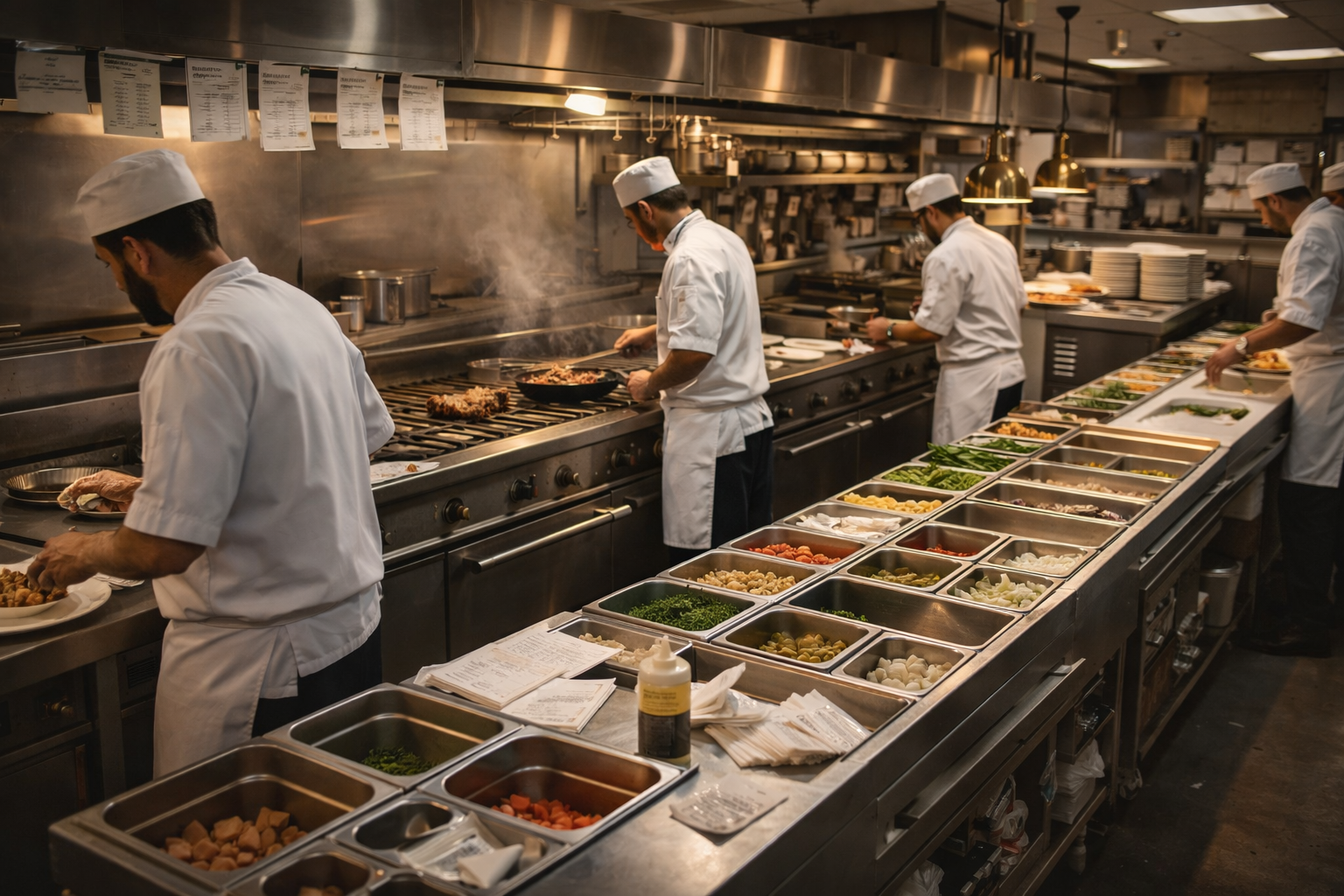
The best kitchen you ever worked in probably wasn't the most talented. It was the most organized. Every station set the same way every night.
Prep lists that told you what to do and in what order. A line check at the same time every day, no exceptions. Systems are what let a kitchen run when the chef isn't standing over it.
They're what make a new hire functional in days instead of weeks. They're the reason one restaurant survives a busy Saturday with two call-outs and another one falls apart. None of it is glamorous.
Prep lists, station maps, handoff protocols, cleaning schedules. But it's the difference between a kitchen that runs and a kitchen that lurches from one crisis to the next.
When the Chef Leaves, the Systems Leave Too
Most kitchens fail at systems the same way. The person who opened the place carries everything in their head — the prep order, the station layouts, the portion weights, the timing. It works because they're there every day.
Then they take a day off. Or they hire a sous chef and step back. Or they open a second location.
And suddenly nobody knows why the soup gets made before the stock, or what the correct portion weight for the salmon is, or how the morning crew is supposed to hand off to the evening crew. The knowledge was never written down because it felt unnecessary when the person who knew everything was always in the building. Writing it down is the work.
A prep list. A station map. A recipe book with actual weights.
It's not complicated, but it takes discipline to build and even more discipline to maintain.
When the Chef Leaves, the Systems Leave Too
Most kitchens fail at systems the same way. The person who opened the place carries everything in their head — the prep order, the station layouts, the portion weights, the timing. It works because they're there every day.
Then they take a day off. Or they hire a sous chef and step back. Or they open a second location.
And suddenly nobody knows why the soup gets made before the stock, or what the correct portion weight for the salmon is, or how the morning crew is supposed to hand off to the evening crew. The knowledge was never written down because it felt unnecessary when the person who knew everything was always in the building. Writing it down is the work.
A prep list. A station map. A recipe book with actual weights.
It's not complicated, but it takes discipline to build and even more discipline to maintain.
“The best kitchen you ever worked in wasn't the most talented. It was the most organized.”
How the Best Kitchens Actually Run
217 videosVideos on mise en place, kitchen organization, service flow, and the systems behind some of the most efficient operations in the world — from ramen shops to airline catering to Michelin-starred restaurants.
12 videos tagged “Bon Appetit”

Is This America's Best New Restaurant? | On The Line | Bon Appétit
Stone runs a 40-seat fine dining operation where every plate tells a story, but watch how he manages the rail during service — each ticket gets called, fired, and plated with the kind of precision that keeps food costs under 30% and servers from dying in the weeds. You can taste the technique in every sauce reduction, but the real lesson is in how he builds systems that let creativity survive the dinner rush. This is what it looks like when someone understands that great food starts with great ops.

Las Vegas’ Most Iconic 24-hour Restaurant is on a Casino Floor | On The Line | Bon Appétit
Eighteen seats, middle of a casino floor, open 24 hours with gamblers breathing down your neck and slot machines drowning out ticket calls — the Oyster Bar shouldn't work. But they've been shucking since 1975 because they figured out the one thing most operations miss: when you can't control the chaos around you, you build systems so tight they run themselves. Six feet from blackjack tables means every move has to be deliberate, every mise spot has to be perfect, because there's nowhere to hide when you're cooking in a fishbowl. The real lesson isn't about oysters — it's about executing flawlessly when the whole world is watching.

This Restaurant is Bringing Ancient Italian Cooking to LA | On The Line | Bon Appétit
Rojas runs Antico Nuovo like he's protecting something sacred — every pasta pulled at exactly the right second, every sauce held at temperature that would make nonna weep. You can't fake this kind of precision when you're pushing 200 covers on a Saturday night with techniques that predate your great-grandfather. The real lesson isn't the ancient methods, it's watching a chef de cuisine maintain museum-quality standards while the printer never stops spitting tickets.

20 Chefs Answer: The Best Shoes for 12 Hour Shifts | Restaurant Talks | Bon Appétit
Twenty chefs, twenty different answers about what goes on their feet during a double — and every single one of them is thinking about the same thing: making it through service without their body giving out. You can tell who's been standing on concrete for fifteen years by how they talk about arch support, and who's still young enough to think style matters when you're pulling prep at 5 AM. The real lesson isn't which brand wins, it's that your feet are equipment, and broken equipment kills covers.

A Day at NYC’s Most Exciting Mexican Restaurant | On The Line | Bon Appétit
Yara Herrera runs Hellbender like someone who's actually had to make payroll — every station dialed in, every movement earning its keep, zero tolerance for the kind of beautiful chaos that looks good on camera but kills your food cost. You watch her work the line and it's clear: this isn't performance, it's a system built by someone who knows exactly what breaks first when you're in the weeds. The kind of operator who can tell you her prime cost down to the decimal while never losing the soul of what makes people cross town for her food.
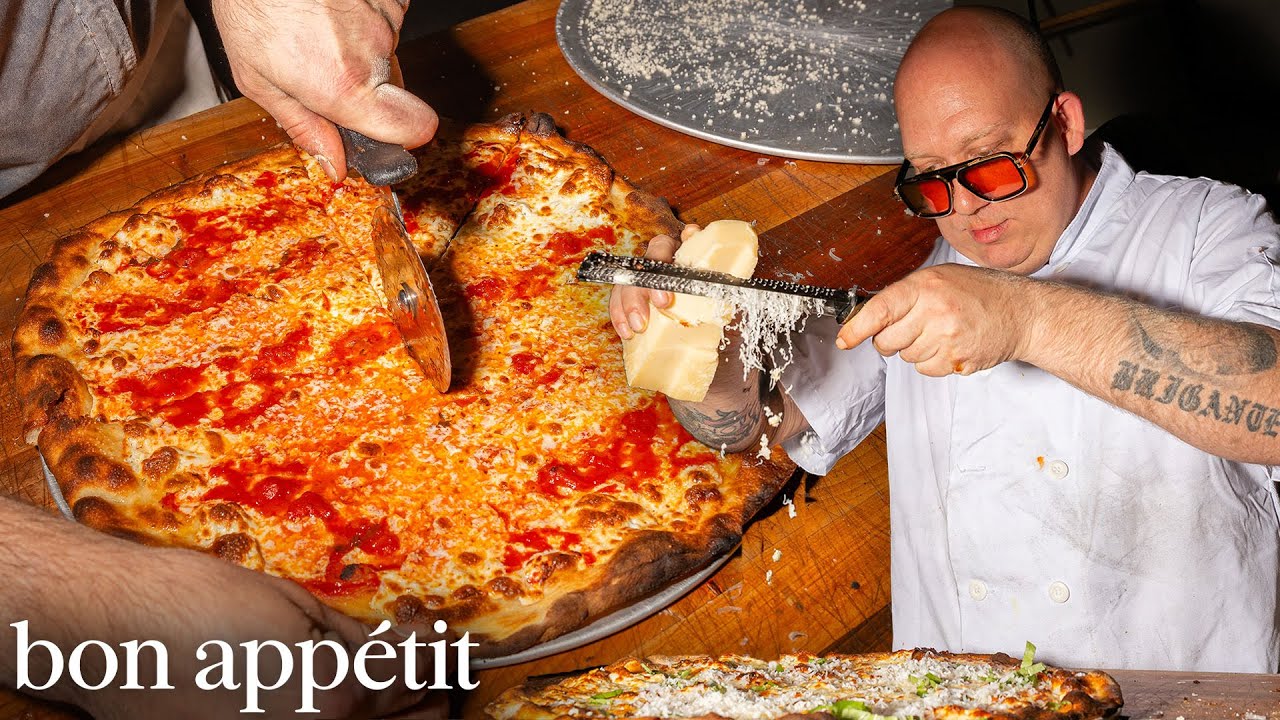
Brooklyn’s Most Eccentric Pizza Maker Has a New Restaurant | On The Line | Bon Appétit
World champion pizza maker running his own spot — you know this is either going to be a masterclass in systems or a beautiful disaster. Nino Coniglio built Lucky Charlie around the kind of obsessive precision that wins competitions, but watch how he adapts those techniques for actual service volume. The difference between making one perfect pie and cranking out 200 covers is everything that matters in this business.

This Restaurant is NYC’s Hardest Reservation | On The Line | Bon Appétit
You can run a full house every night for months and still wonder why tables 6 and 12 stay empty while people wait two hours for a seat. Tatiana's reservation system isn't just about exclusivity — it's about turning scarcity into a operational advantage that most operators never see coming. Watch how they manage the list, control the flow, and turn every "no" into tomorrow's "yes."
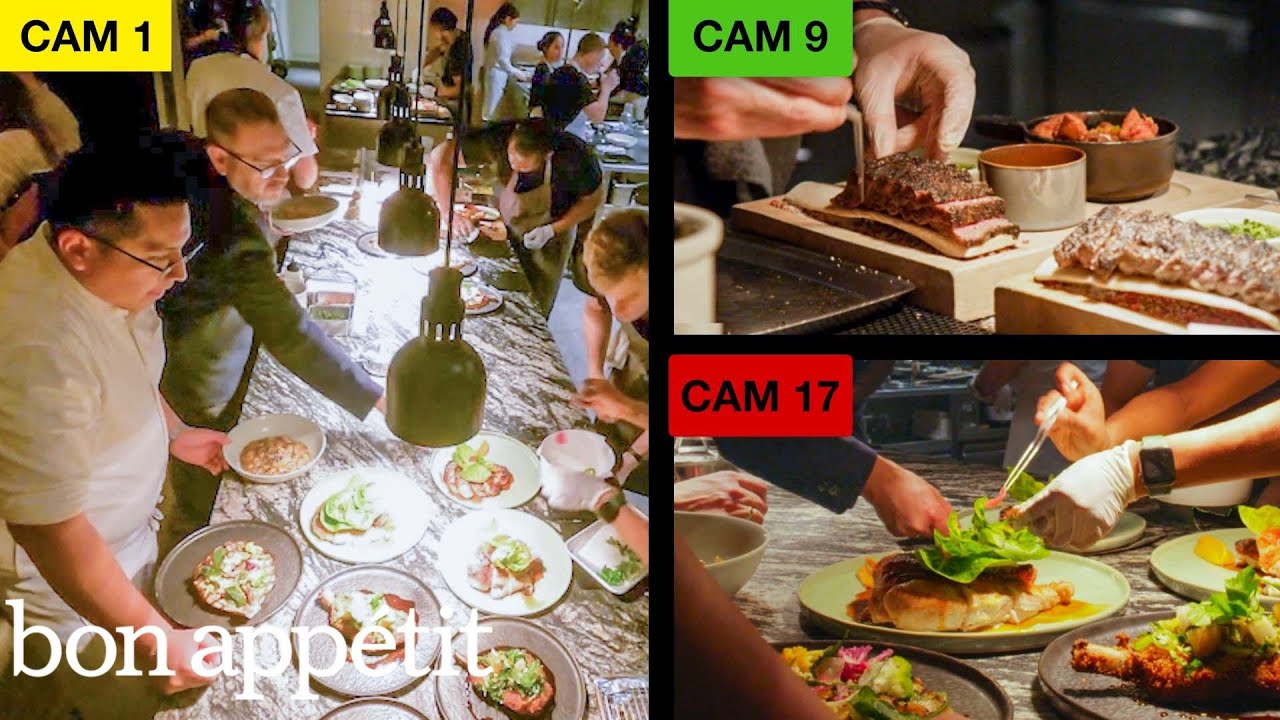
We Put 19 Cameras in a Michelin-Starred Restaurant | Bon Appétit
Nineteen cameras catching every plate, every fire, every moment a cook's hands shake under the weight of a thousand covers in six hours. The math is brutal and beautiful: that's one dish every 21.6 seconds, sustained, with zero margin for the kind of mistakes that happen when someone's watching. You can see it in their faces — the particular tension that comes when perfection isn't just expected, it's documented. Every kitchen runs on invisible systems until suddenly they're not invisible anymore.

Every Job in a Michelin-Starred Kitchen | Bon Appétit
Crown Shy runs 200 covers a night with surgical precision because every single person knows exactly where they fit in the machine — from the garde manger plating salads at lightning speed to the dishwasher who can reset a station in thirty seconds. You watch this and see the beautiful brutality of a Michelin kitchen: no wasted motion, no unclear roles, no one person who isn't absolutely essential to keeping the lights on. The hierarchy isn't about ego, it's about survival at volume. Anyone running more than 100 covers knows you either build systems this tight or you drown in the weeds.

How One of NYC’s Best Chefs Makes The Perfect Steak (Michelin Star) | Made to Order | Bon Appétit
I've watched enough line cooks butcher a $40 piece of protein because they never learned the fundamentals that Boulud breaks down here — the kind of technique that separates a Michelin kitchen from the place that's hemorrhaging money on returned steaks. When a chef at Daniel's level walks you through his system, you shut up and take notes.

A Day With A Line Cook At Brooklyn's Hottest Chinese Restaurant | On The Line | Bon Appétit
I don't give a damn about Brooklyn's "hottest" anything, but watching Tristan Kwong work the line at Bonnie's is pure education—every move has purpose, every system serves the rush. This is what real kitchen flow looks like when someone actually understands that precision and speed aren't opposites, they're married.
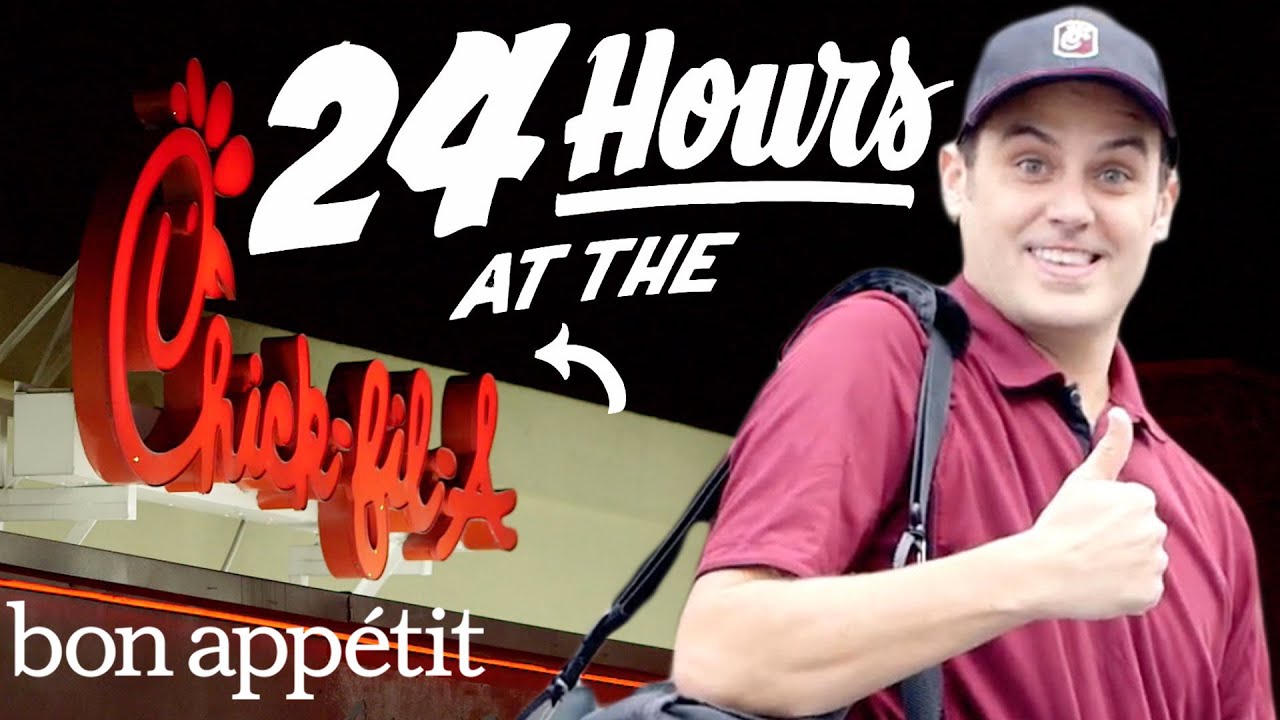
Working 24 Hours Straight at Chick-fil-A | Bon Appetit
I don't care what you think about the chicken sandwich wars — watching someone actually work a full day at the original Chick-fil-A will teach you more about consistency and flow than most culinary school programs. Knowlton gets his hands dirty in a machine that cranks out perfect product every single time, and if you can swallow your pride long enough to pay attention, you might learn something about what separates the dreamers from the operators.
A station map so any cook can set any station without asking. A recipe book with portion weights, plating specs, and production quantities that lives in the kitchen and gets used. Beyond those three: a cleaning schedule that assigns responsibility by name, not assumption.
A handoff protocol between shifts. A line check that happens at the same time every day. None of this requires software.
It requires someone to sit down and write it out, and then enforce it until it becomes culture.
Systems affect everything downstream. The money side lives in Cost Control — poor workflow is usually the root cause of food cost problems. The human side lives in Staff & Leadership — systems only work if people follow them, and people only follow them if they're trained and managed well.