Kitchen Systems & Workflow
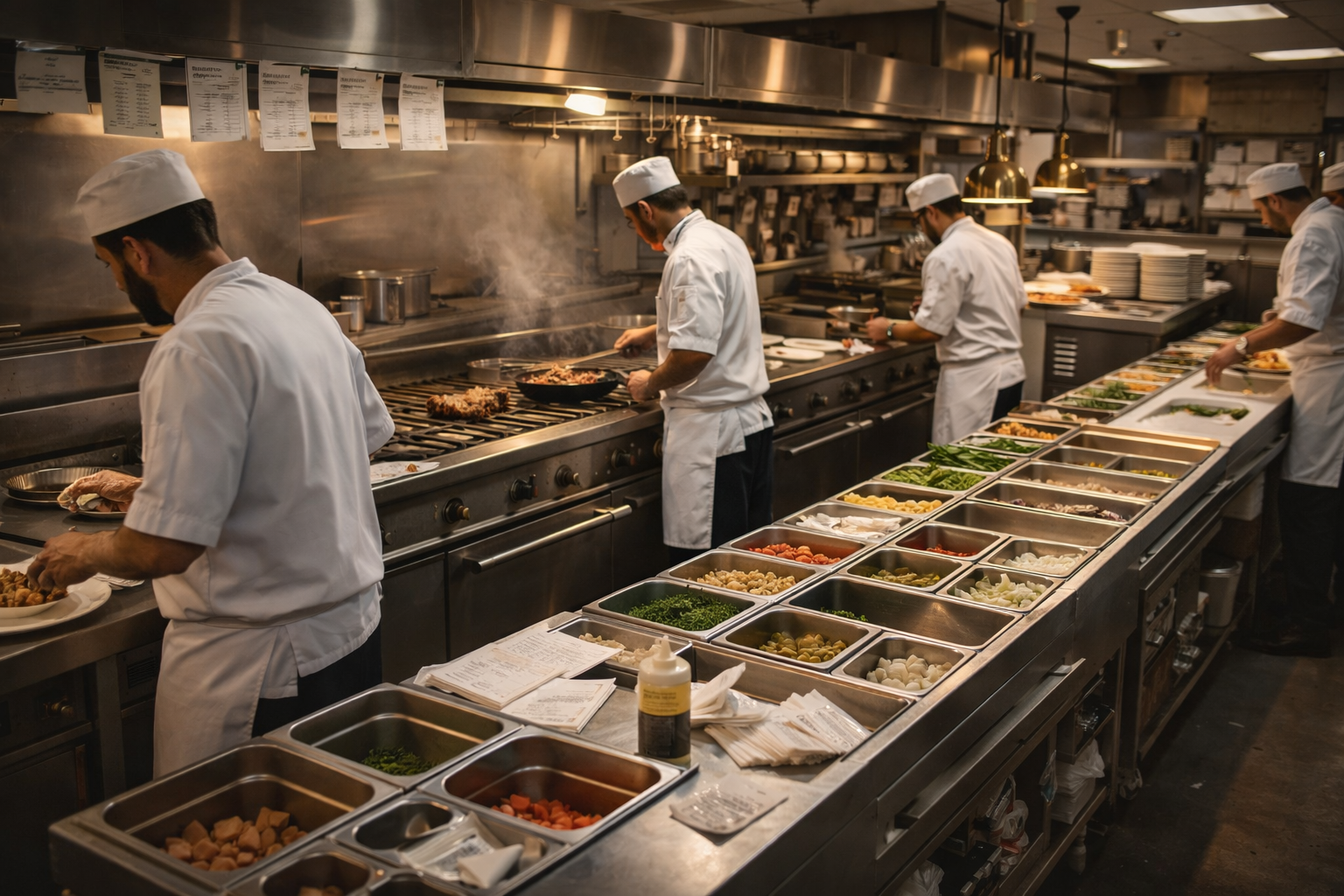
The best kitchen you ever worked in probably wasn't the most talented. It was the most organized. Every station set the same way every night.
Prep lists that told you what to do and in what order. A line check at the same time every day, no exceptions. Systems are what let a kitchen run when the chef isn't standing over it.
They're what make a new hire functional in days instead of weeks. They're the reason one restaurant survives a busy Saturday with two call-outs and another one falls apart. None of it is glamorous.
Prep lists, station maps, handoff protocols, cleaning schedules. But it's the difference between a kitchen that runs and a kitchen that lurches from one crisis to the next.
When the Chef Leaves, the Systems Leave Too
Most kitchens fail at systems the same way. The person who opened the place carries everything in their head — the prep order, the station layouts, the portion weights, the timing. It works because they're there every day.
Then they take a day off. Or they hire a sous chef and step back. Or they open a second location.
And suddenly nobody knows why the soup gets made before the stock, or what the correct portion weight for the salmon is, or how the morning crew is supposed to hand off to the evening crew. The knowledge was never written down because it felt unnecessary when the person who knew everything was always in the building. Writing it down is the work.
A prep list. A station map. A recipe book with actual weights.
It's not complicated, but it takes discipline to build and even more discipline to maintain.
When the Chef Leaves, the Systems Leave Too
Most kitchens fail at systems the same way. The person who opened the place carries everything in their head — the prep order, the station layouts, the portion weights, the timing. It works because they're there every day.
Then they take a day off. Or they hire a sous chef and step back. Or they open a second location.
And suddenly nobody knows why the soup gets made before the stock, or what the correct portion weight for the salmon is, or how the morning crew is supposed to hand off to the evening crew. The knowledge was never written down because it felt unnecessary when the person who knew everything was always in the building. Writing it down is the work.
A prep list. A station map. A recipe book with actual weights.
It's not complicated, but it takes discipline to build and even more discipline to maintain.
“The best kitchen you ever worked in wasn't the most talented. It was the most organized.”
How the Best Kitchens Actually Run
217 videosVideos on mise en place, kitchen organization, service flow, and the systems behind some of the most efficient operations in the world — from ramen shops to airline catering to Michelin-starred restaurants.
6 videos tagged “Inventory & Waste”
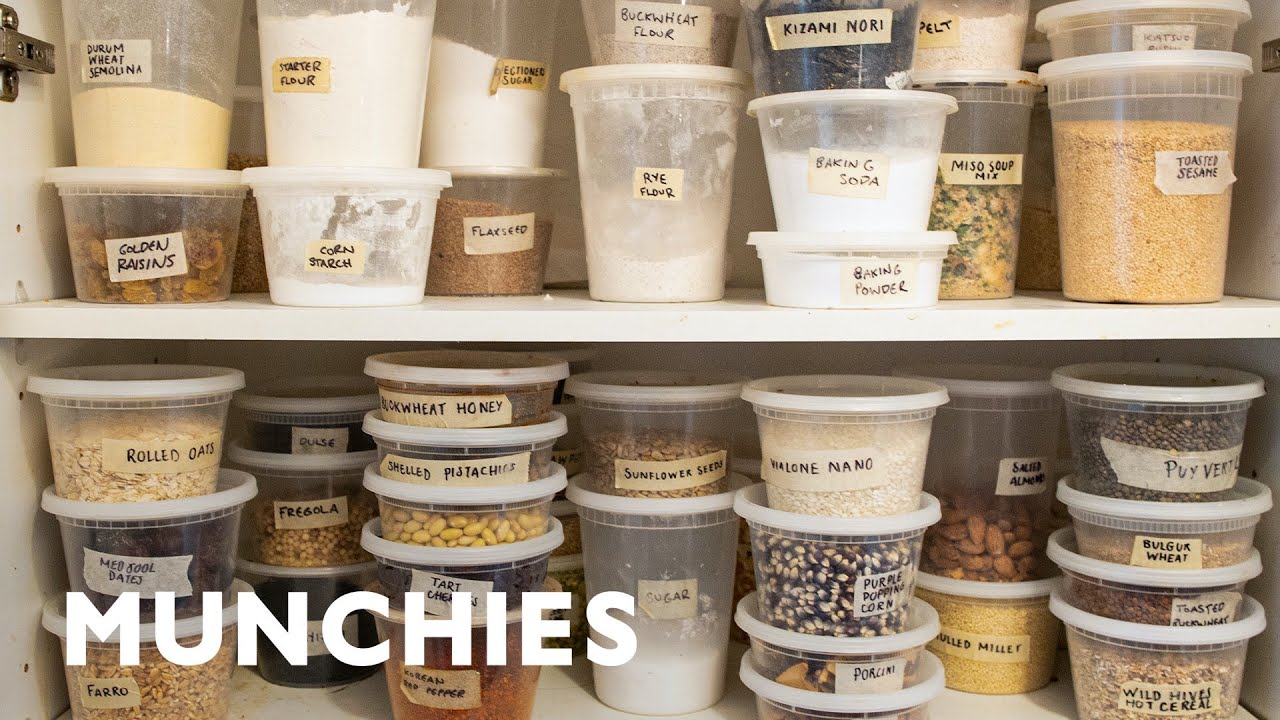
These Are The Only Kitchen Containers You Need | Game Changers
Jonah Reider breaks down the container game with the kind of ruthless efficiency that separates cooks who last from those who flame out after six months. You've got three sizes — quart, pint, deli — and suddenly your walk-in isn't a graveyard of mystery leftovers marked "Tuesday soup?" The math is simple: fewer container types means faster mise, cleaner inventory, and one less thing to think about when you're already thinking about forty-seven other things. This is how you build systems that actually work when the wheels come off.

Beginner's guide to BUYING, STORING & ORGANIZING SPICES
You know your spice rack is fucked when you're buying paprika for the third time this month because nobody can find the first two containers. Chlebowski breaks down the system that separates kitchens that flow from kitchens that bleed money — proper spice inventory, rotation, and storage that actually makes sense when you're moving fast. Every line cook who's ever dug through a disaster spice shelf at 7 PM on a Friday knows exactly what this prevents.
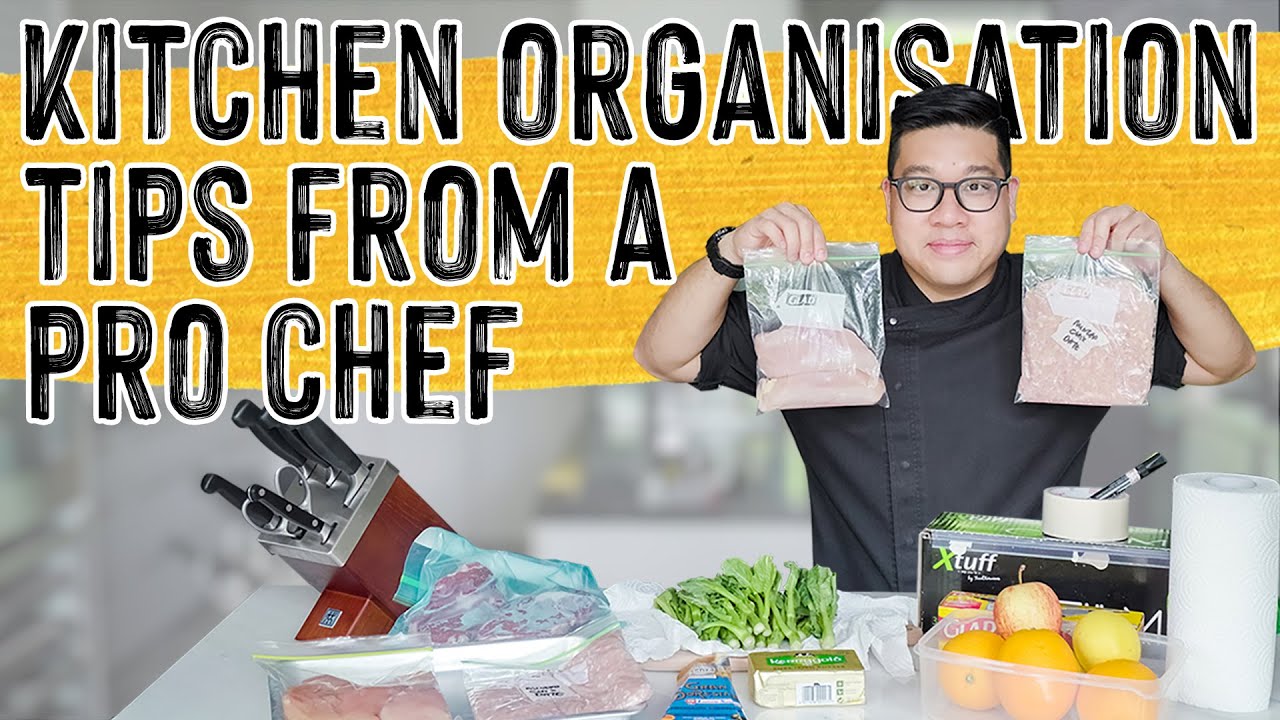
Kitchen Organisation Tips From A Professional Chef - How To Kitchen: EP3
Ming breaks down the unglamorous math of kitchen real estate — every square inch of walk-in space costs you money, and most operators are bleeding cash on bad storage systems. You're watching someone who actually runs inventory explain why your produce is dying faster than it should and your cooks are wasting time hunting for mise. Anyone who's tried to fit a week's worth of proteins into a cooler built for half that knows exactly what he's talking about.

Inside the 24/7 Operation to Feed the World's Largest Cruise Ship | WSJ Booked
I've run kitchens that served hundreds, and the thought of feeding 10,000 people daily on a floating city makes my head spin. This WSJ piece breaks down the brutal logistics of provisioning and managing waste when failure isn't an option and you can't exactly run to the corner market. Every chef who's ever dealt with inventory nightmares needs to see how they move mountains of food without drowning in spoilage.

How 215,000 Meals Are Made For Super Bowl LIV | Big Business | Business Insider
I've seen plenty of kitchens crack under pressure, but watching 3,000 cooks coordinate 215,000 meals in one building is the kind of logistical ballet that separates the pros from the weekend warriors. This is what happens when inventory management isn't just about not running out of tomatoes — it's about feeding a small city without losing your mind or your ass.

How Emirates Makes 225,000 In-Flight Meals A Day
I've seen plenty of operations that crumble under 200 covers on a Saturday night, so watching Emirates pump out 225,000 meals daily without the wheels falling off is both humbling and educational. The logistics alone—managing inventory, prep stations, and quality control at that scale—will make you rethink everything you know about kitchen systems. This is what happens when airline food stops being a punchline and starts being an actual operation.
A station map so any cook can set any station without asking. A recipe book with portion weights, plating specs, and production quantities that lives in the kitchen and gets used. Beyond those three: a cleaning schedule that assigns responsibility by name, not assumption.
A handoff protocol between shifts. A line check that happens at the same time every day. None of this requires software.
It requires someone to sit down and write it out, and then enforce it until it becomes culture.
Systems affect everything downstream. The money side lives in Cost Control — poor workflow is usually the root cause of food cost problems. The human side lives in Staff & Leadership — systems only work if people follow them, and people only follow them if they're trained and managed well.