Menu Design & Trends
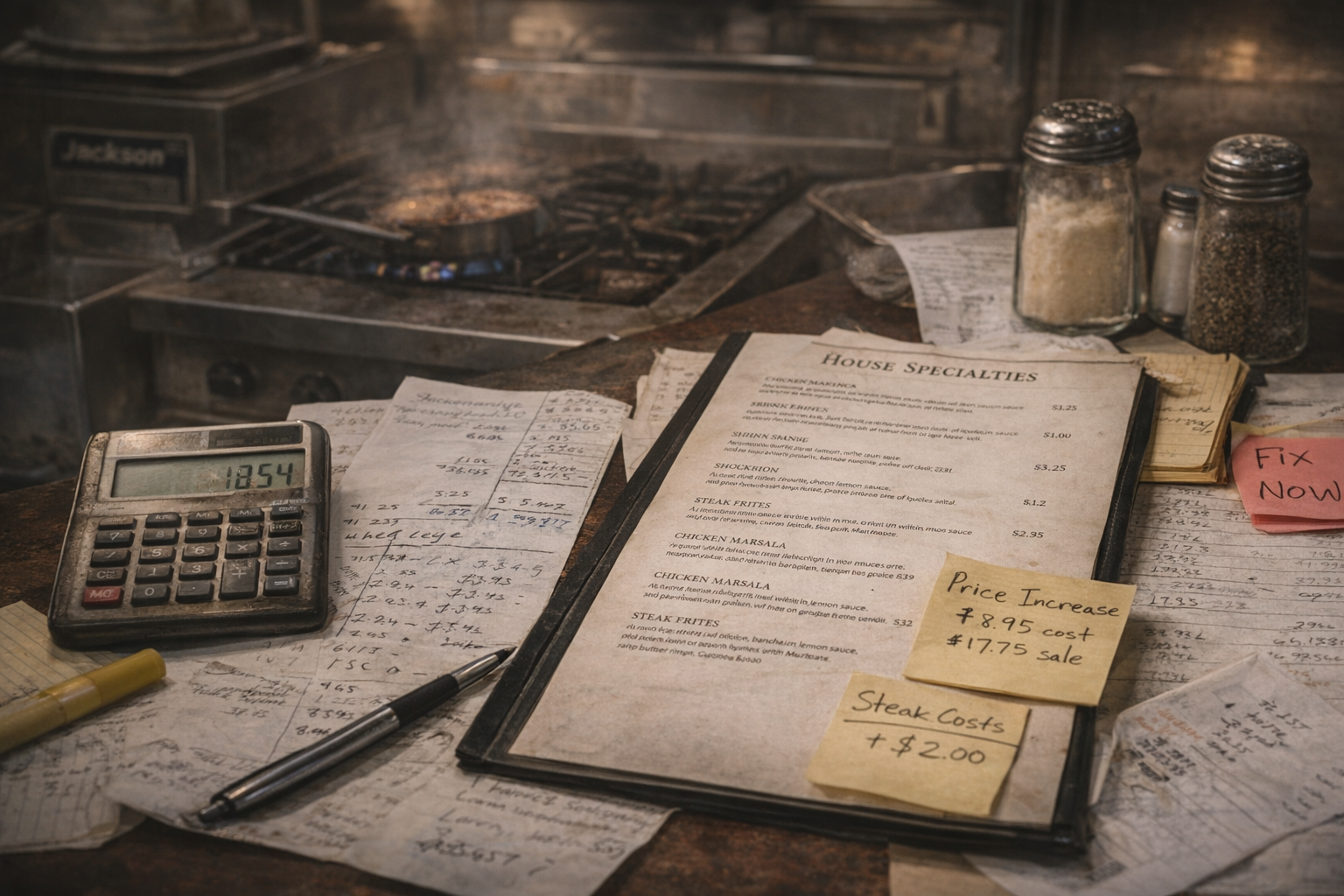
A menu is a financial document that happens to list food. Every item on it represents a bet — on your food cost, on your prep capacity, on what your customers actually want to order. Most menus aren't designed with that level of intention.
They accumulate. A dish gets added because the chef is excited about it. Another stays because it's been there since opening and nobody wants to remove it.
The specials board becomes a permanent fixture. Slowly, the menu grows past what the kitchen can execute consistently, and the food cost creeps up because nobody recosted the items that changed. These videos cover the craft and the math of building a menu — menu engineering, pricing psychology, seasonal planning, and the food trends worth paying attention to.
When the Menu Works Against You
A menu that's too big is the most common problem, and the hardest one to fix because every item has a constituency. The chef loves the braised short rib. The regulars always order the Caesar salad.
The owner's friend suggested the tuna tartare and now it can't be removed without a conversation. Meanwhile the prep team is stretched across forty items, consistency suffers, waste increases because half the mise en place for the slow sellers gets tossed at the end of the night, and the cooks are so busy keeping up that they can't execute any single dish at the level it deserves. A smaller menu is almost always a better menu.
Fewer items means better execution, lower food cost, faster ticket times, and a kitchen that can actually deliver on what it promises.
When the Menu Works Against You
A menu that's too big is the most common problem, and the hardest one to fix because every item has a constituency. The chef loves the braised short rib. The regulars always order the Caesar salad.
The owner's friend suggested the tuna tartare and now it can't be removed without a conversation. Meanwhile the prep team is stretched across forty items, consistency suffers, waste increases because half the mise en place for the slow sellers gets tossed at the end of the night, and the cooks are so busy keeping up that they can't execute any single dish at the level it deserves. A smaller menu is almost always a better menu.
Fewer items means better execution, lower food cost, faster ticket times, and a kitchen that can actually deliver on what it promises.
“A menu is a financial document that happens to list food.”
Building a Menu That Works for Everyone
124 videosVideos on menu engineering, pricing strategy, food trend analysis, concept development, and the design choices behind menus that are both profitable and compelling.
2 videos tagged “Masterclass”

Menu Engineering & Culinary Innovation| Restaurant Business Masterclass Ep 3 | Profit Through Design
Every line cook who's watched a beautifully plated dish die on the pass because nobody orders it knows this truth: menu engineering isn't about what you want to cook, it's about what actually moves. Athaide breaks down the numbers behind the romance — how to design a menu that makes your best margins sing while keeping the food cost demons at bay. The real skill isn't creating the perfect dish, it's creating the perfect dish that people will actually order at a price that keeps the lights on.

Using psychology in food menu design to influence decisions | Madhu Menon | TEDxSIULavale
I've built menus that looked like art projects and wondered why my food cost was bleeding me dry — turns out I was designing for my ego, not my margins. Watching Menon break down the actual psychology behind menu engineering is like getting a masterclass in how those little design choices either make you money or kill you. Your menu isn't decoration; it's your most important sales tool.
It's not the whole picture, but it's the foundation. Beyond the math: menu layout and psychology. Where the eye goes first, how descriptions affect ordering, why the number of items per section matters.
Then the creative side — seasonal changes, trend integration, and how to evolve a menu without losing the identity that brought people in.
Menu design is where the creative and financial sides of running a restaurant meet. Cost Control covers the margin math behind every menu item. Street Food & Travel is where a lot of the best menu inspiration actually comes from — constraint and simplicity producing brilliant food.