Menu Design & Trends
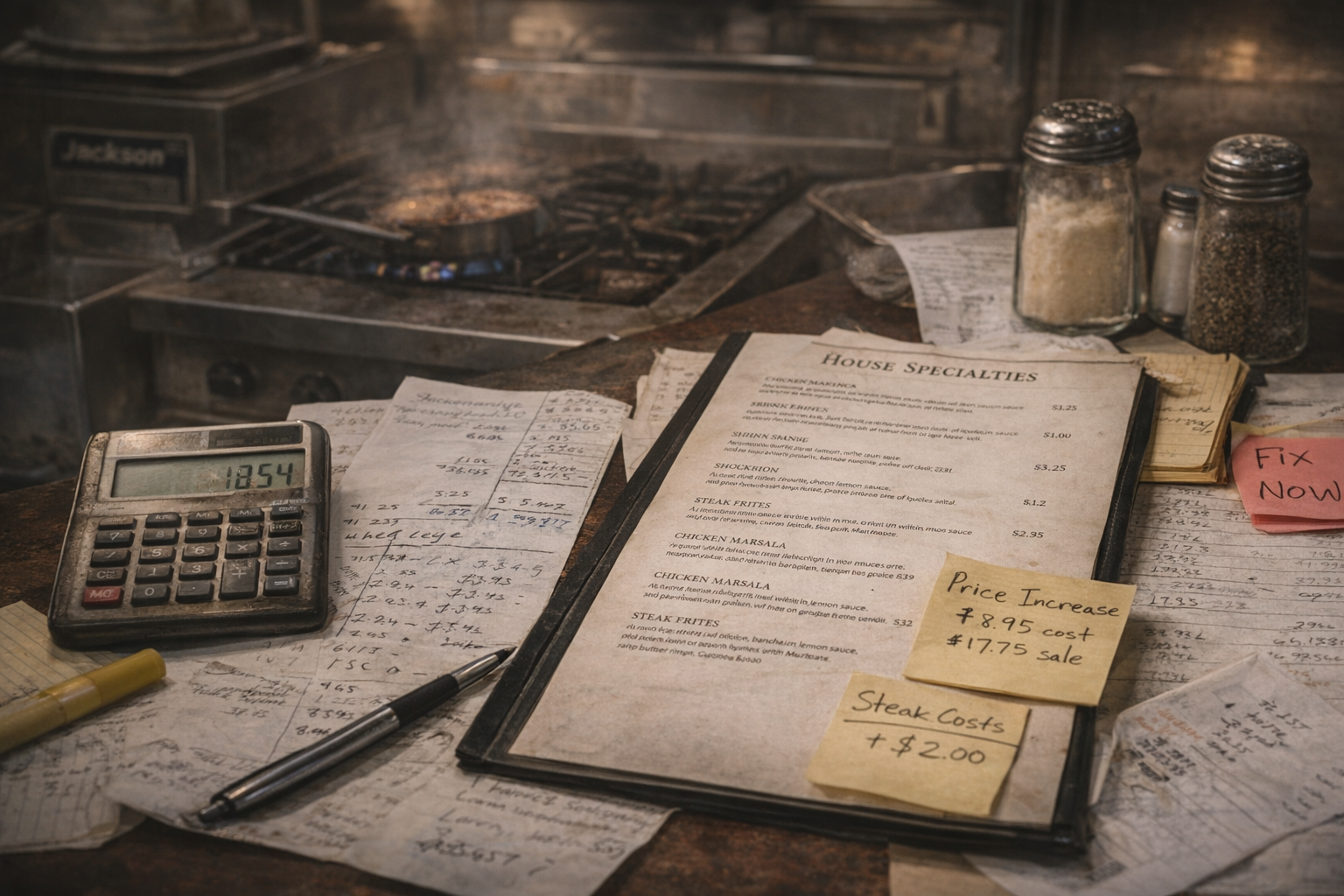
A menu is a financial document that happens to list food. Every item on it represents a bet — on your food cost, on your prep capacity, on what your customers actually want to order. Most menus aren't designed with that level of intention.
They accumulate. A dish gets added because the chef is excited about it. Another stays because it's been there since opening and nobody wants to remove it.
The specials board becomes a permanent fixture. Slowly, the menu grows past what the kitchen can execute consistently, and the food cost creeps up because nobody recosted the items that changed. These videos cover the craft and the math of building a menu — menu engineering, pricing psychology, seasonal planning, and the food trends worth paying attention to.
When the Menu Works Against You
A menu that's too big is the most common problem, and the hardest one to fix because every item has a constituency. The chef loves the braised short rib. The regulars always order the Caesar salad.
The owner's friend suggested the tuna tartare and now it can't be removed without a conversation. Meanwhile the prep team is stretched across forty items, consistency suffers, waste increases because half the mise en place for the slow sellers gets tossed at the end of the night, and the cooks are so busy keeping up that they can't execute any single dish at the level it deserves. A smaller menu is almost always a better menu.
Fewer items means better execution, lower food cost, faster ticket times, and a kitchen that can actually deliver on what it promises.
When the Menu Works Against You
A menu that's too big is the most common problem, and the hardest one to fix because every item has a constituency. The chef loves the braised short rib. The regulars always order the Caesar salad.
The owner's friend suggested the tuna tartare and now it can't be removed without a conversation. Meanwhile the prep team is stretched across forty items, consistency suffers, waste increases because half the mise en place for the slow sellers gets tossed at the end of the night, and the cooks are so busy keeping up that they can't execute any single dish at the level it deserves. A smaller menu is almost always a better menu.
Fewer items means better execution, lower food cost, faster ticket times, and a kitchen that can actually deliver on what it promises.
“A menu is a financial document that happens to list food.”
Building a Menu That Works for Everyone
124 videosVideos on menu engineering, pricing strategy, food trend analysis, concept development, and the design choices behind menus that are both profitable and compelling.
2 videos tagged “Restaurant Review”

I Tried VIRAL TikTok Foods In Japan!
I've watched enough influencers chase viral food trends to know most of it's just theater for the algorithm — but buried in this TikTok tourism are actual techniques worth stealing. The real question isn't whether these trends are sustainable, it's whether any of them translate to a menu that works when you're slammed on a Saturday night. Watch for the execution details, not the hype.

10 Biggest Food Trends Of The Decade
The decade that gave us oat milk lattes and every possible iteration of avocado toast — I lived through this culinary circus, and honestly, half these trends made operators rich while the other half made them crazy. Worth watching if only to remind yourself which bandwagons you jumped on and which ones you wisely avoided, because understanding trend cycles is the difference between profit and pain in this business.
It's not the whole picture, but it's the foundation. Beyond the math: menu layout and psychology. Where the eye goes first, how descriptions affect ordering, why the number of items per section matters.
Then the creative side — seasonal changes, trend integration, and how to evolve a menu without losing the identity that brought people in.
Menu design is where the creative and financial sides of running a restaurant meet. Cost Control covers the margin math behind every menu item. Street Food & Travel is where a lot of the best menu inspiration actually comes from — constraint and simplicity producing brilliant food.