Staff & Leadership
You got into this business because of the food. You stay in it — or don't — because of the people. Every operator eventually discovers that the hardest part of running a kitchen isn't the cooking.
It's building a team that shows up, gives a damn, and doesn't quit after three months. Hiring is a skill most operators never formally learn. Training is something that happens haphazardly between rushes.
Retention is a problem that gets blamed on the industry rather than on the specific ways a kitchen is managed. These videos look at all of it — how to find people, how to train them so they're useful fast, how to build a culture that makes them want to stay, and what to do when they don't.
Why Good People Leave
Turnover in restaurants runs somewhere around 75 percent annually, and operators love to blame the labor market. Some of that is real — the hours are brutal, the pay is often low, and there's always another kitchen hiring. But a lot of the turnover is self-inflicted.
No structured training, so new hires feel lost and overwhelmed. No clear standards, so good cooks get frustrated watching bad cooks get away with less. No path forward, so ambitious people leave for places that offer one.
The kitchens with the lowest turnover aren't paying the most. They're the ones where people feel like they're learning something, where the standards are clear and consistently enforced, and where the chef actually talks to the team like adults. Culture isn't a poster on the wall.
It's what happens when you're not watching.
Why Good People Leave
Turnover in restaurants runs somewhere around 75 percent annually, and operators love to blame the labor market. Some of that is real — the hours are brutal, the pay is often low, and there's always another kitchen hiring. But a lot of the turnover is self-inflicted.
No structured training, so new hires feel lost and overwhelmed. No clear standards, so good cooks get frustrated watching bad cooks get away with less. No path forward, so ambitious people leave for places that offer one.
The kitchens with the lowest turnover aren't paying the most. They're the ones where people feel like they're learning something, where the standards are clear and consistently enforced, and where the chef actually talks to the team like adults. Culture isn't a poster on the wall.
It's what happens when you're not watching.
“You got into this because of the food. You stay in it — or don't — because of the people.”
Building a Kitchen People Don't Want to Leave
170 videosVideos on restaurant hiring, team management, kitchen culture, leadership under pressure, and what it actually takes to keep good people in a brutal industry.
3 videos tagged “French”

Chef's Positions And Responsibilities In The Kitchen | The Kitchen Brigade System| Chef's Position
The brigade system isn't some French cooking school romance — it's survival architecture for when you're pushing 300 covers on a Saturday night with two people called out sick. Every station needs to know exactly where they fit, who they answer to, and what happens when the wheels come off. You can run a kitchen without proper mise, you can run it without the perfect menu, but you cannot run it without clear lines of command when the rail is three feet deep and the tickets won't stop printing.
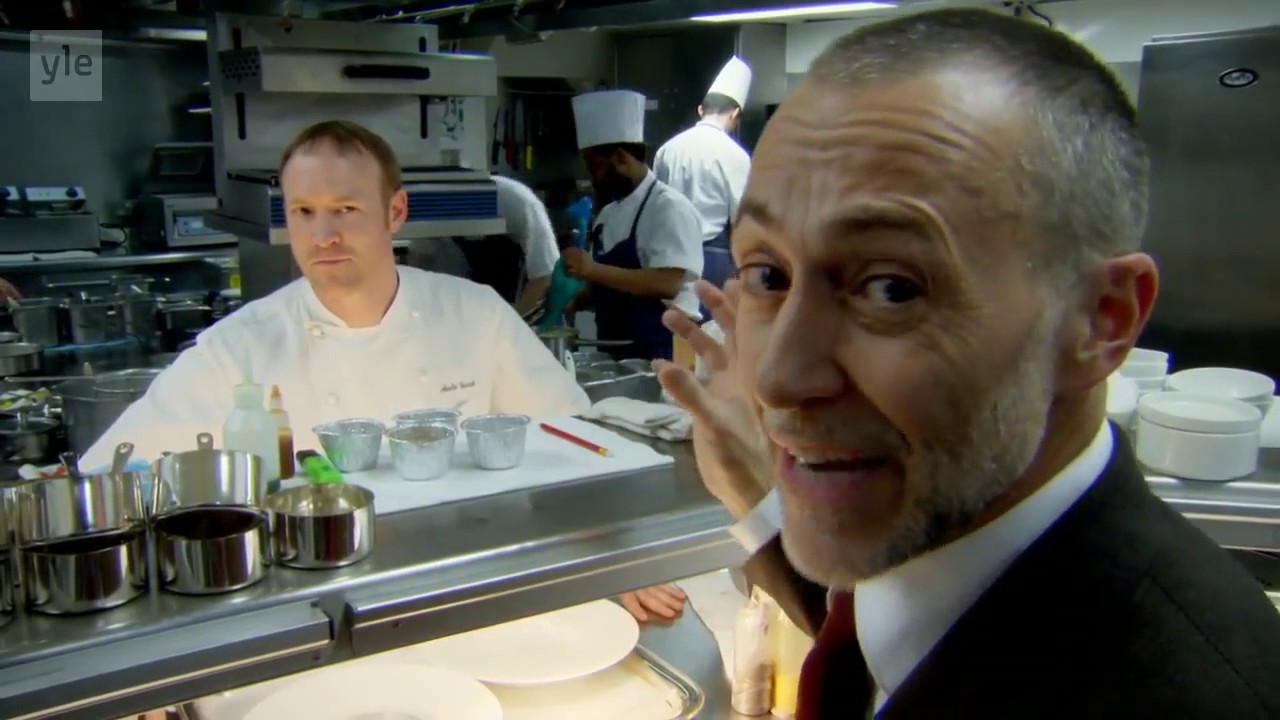
Escoffier's Brigade System The First Master Chef׃ Michel Roux on Escoffier
Every kitchen still runs on Escoffier's bones — the brigade system that turned chaos into covers and made the pass possible. You've got your grill cook, your sauté, your garde manger, each station knowing exactly what fires when the tickets start flying. Michel Roux breaks down how one French chef in the 1890s figured out what most restaurants are still trying to learn: clear hierarchy, defined roles, and everybody in their lane. The brigade isn't history — it's Tuesday night service.

Career Advice From Michelin Starred Chef: Curtis Duffy
Curtis Duffy didn't stumble into three Michelin stars — he built systems that could survive the weight of that pressure, then taught his team to run them without him standing over every plate. You can hear it in how he talks about progression: not the romantic climb toward greatness, but the mechanical understanding that every cook either develops systems or gets buried by service. The real advice isn't about following your dreams. It's about building something that functions when the tickets are six deep and your best cook just called out.
Be clear about what you expect on day one and hold people to it consistently. Give feedback in real time, not in annual reviews that nobody in this industry does anyway. Pay as well as you can and be honest when you can't.
Make the schedule fair and post it with enough lead time that people can plan their lives. Run a family meal that's actually good. Say thank you.
It's not complicated. It's just constant.
People are the ones who run the systems. Kitchen Systems covers the operational structures your team needs to follow. Underdogs & Origins tells the stories of people who built something from nothing — often because someone gave them a shot when nobody else would.