Staff & Leadership
You got into this business because of the food. You stay in it — or don't — because of the people. Every operator eventually discovers that the hardest part of running a kitchen isn't the cooking.
It's building a team that shows up, gives a damn, and doesn't quit after three months. Hiring is a skill most operators never formally learn. Training is something that happens haphazardly between rushes.
Retention is a problem that gets blamed on the industry rather than on the specific ways a kitchen is managed. These videos look at all of it — how to find people, how to train them so they're useful fast, how to build a culture that makes them want to stay, and what to do when they don't.
Why Good People Leave
Turnover in restaurants runs somewhere around 75 percent annually, and operators love to blame the labor market. Some of that is real — the hours are brutal, the pay is often low, and there's always another kitchen hiring. But a lot of the turnover is self-inflicted.
No structured training, so new hires feel lost and overwhelmed. No clear standards, so good cooks get frustrated watching bad cooks get away with less. No path forward, so ambitious people leave for places that offer one.
The kitchens with the lowest turnover aren't paying the most. They're the ones where people feel like they're learning something, where the standards are clear and consistently enforced, and where the chef actually talks to the team like adults. Culture isn't a poster on the wall.
It's what happens when you're not watching.
Why Good People Leave
Turnover in restaurants runs somewhere around 75 percent annually, and operators love to blame the labor market. Some of that is real — the hours are brutal, the pay is often low, and there's always another kitchen hiring. But a lot of the turnover is self-inflicted.
No structured training, so new hires feel lost and overwhelmed. No clear standards, so good cooks get frustrated watching bad cooks get away with less. No path forward, so ambitious people leave for places that offer one.
The kitchens with the lowest turnover aren't paying the most. They're the ones where people feel like they're learning something, where the standards are clear and consistently enforced, and where the chef actually talks to the team like adults. Culture isn't a poster on the wall.
It's what happens when you're not watching.
“You got into this because of the food. You stay in it — or don't — because of the people.”
Building a Kitchen People Don't Want to Leave
170 videosVideos on restaurant hiring, team management, kitchen culture, leadership under pressure, and what it actually takes to keep good people in a brutal industry.
6 videos tagged “Inventory & Waste”

Owners Catch Lobster Activist Stealing Their Lobsters! | Mystery Diners
Your inventory walks out the door every night in ways you'd never imagine, and this Langosta Lounge case proves the point with painful clarity. You think you're tracking proteins, portioning costs, watching the obvious stuff — but someone's liberating your lobsters one tail at a time while you're focused on food cost percentages. The cameras don't lie, and neither do your missing numbers when you actually start counting what should be there versus what is.

Gordon Ramsay Tears Down Fake, Lying Chef - Kitchen Nightmares
You can smell the lies before Ramsay even opens his mouth — inventory that doesn't match the walk-in, ticket times that don't add up, a chef who talks technique but can't explain why his food cost is running 47%. The real lesson isn't the screaming; it's watching someone who built an empire on numbers cut through the bullshit in thirty seconds. Anyone who's ever had to explain missing inventory to ownership knows exactly what's happening here.

Chief Steward Job Decription and Definition Detail
Most operators think steward is just "the dish guy," but anyone running a real operation knows the chief steward controls your single biggest cost bleed — waste, breakage, and the endless disappearance of smallwares that somehow costs more than your protein budget. This breakdown cuts through the job posting fluff to show you what actually matters: inventory control, sanitation systems, and keeping your dish pit from becoming the black hole where prep bowls go to die. You're either running these numbers or watching your margins walk out the back door with every broken plate.
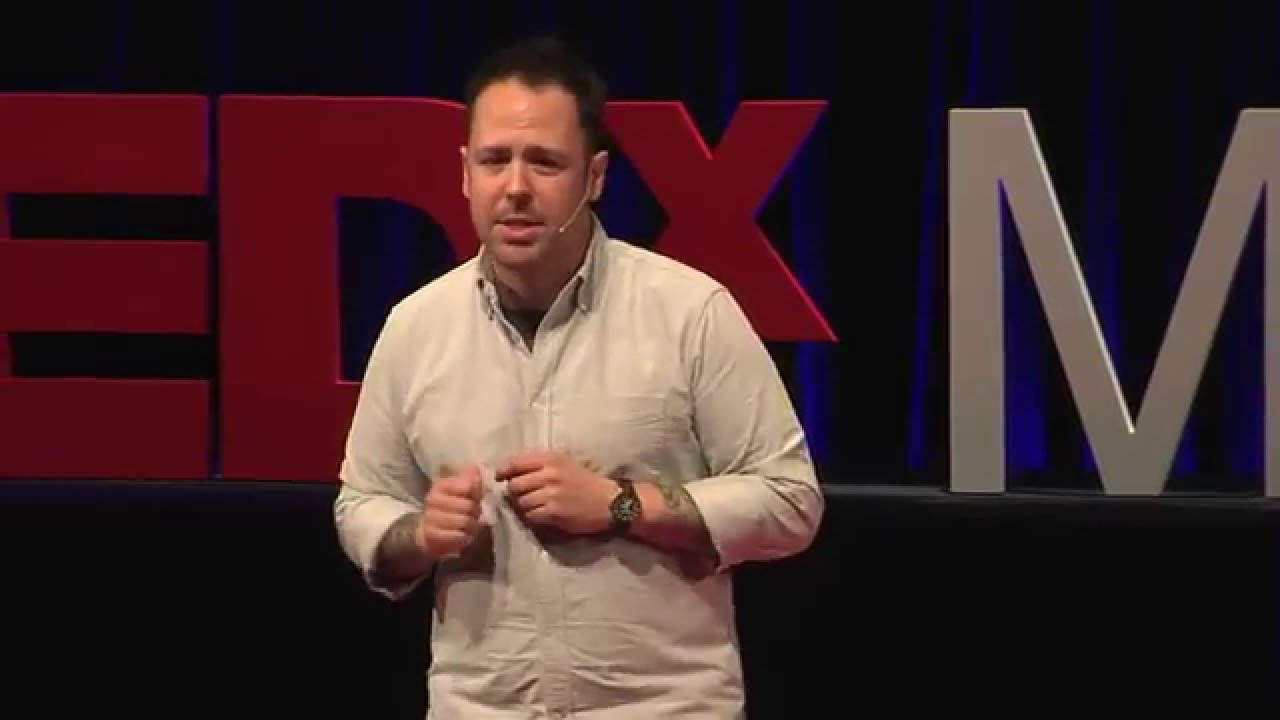
How I built the number one new restaurant in America | Aaron Silverman | TEDxMidAtlantic
Silverman built Rose's Luxury on a simple operational truth: the best marketing budget is zero food waste and a line cook who doesn't want to quit. While other operators chase Instagram moments, he focused on the unglamorous math — labor costs, inventory turns, and the brutal arithmetic of keeping 20-something cooks engaged when the city's paying $18 an hour to stock shelves. You can't TED Talk your way out of 28% food costs, but you can build a system where showing up actually means something.
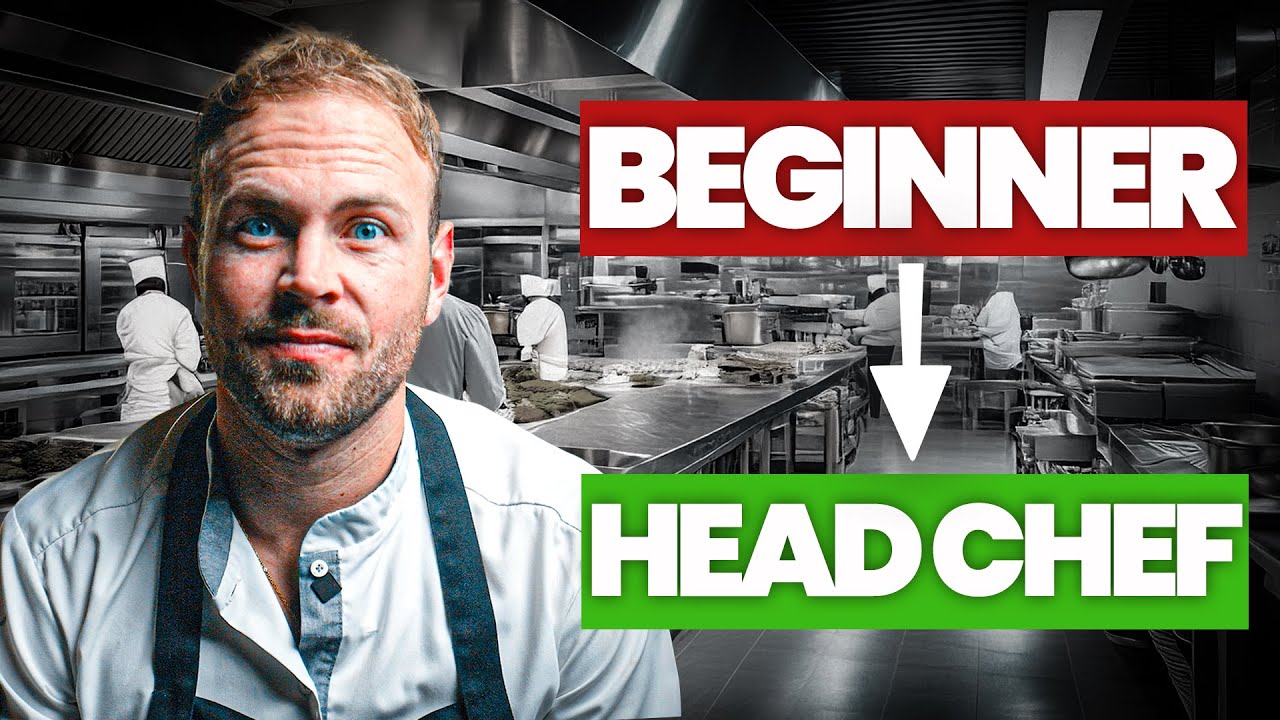
How I’d Start Being a Chef in 2025 (If I Had to Start Over)
Three restaurants before 30 means this guy learned to read P&Ls before he could properly brunoise an onion, and that's exactly the kind of backwards wisdom that actually works in 2025. Most culinary kids still think the path runs through perfect knife cuts and Instagram plating, but the operators who survive know it starts with understanding why your food cost jumped two points last month. He's breaking down the unsexy fundamentals that separate lifers from the washouts who flame out after their first inventory.
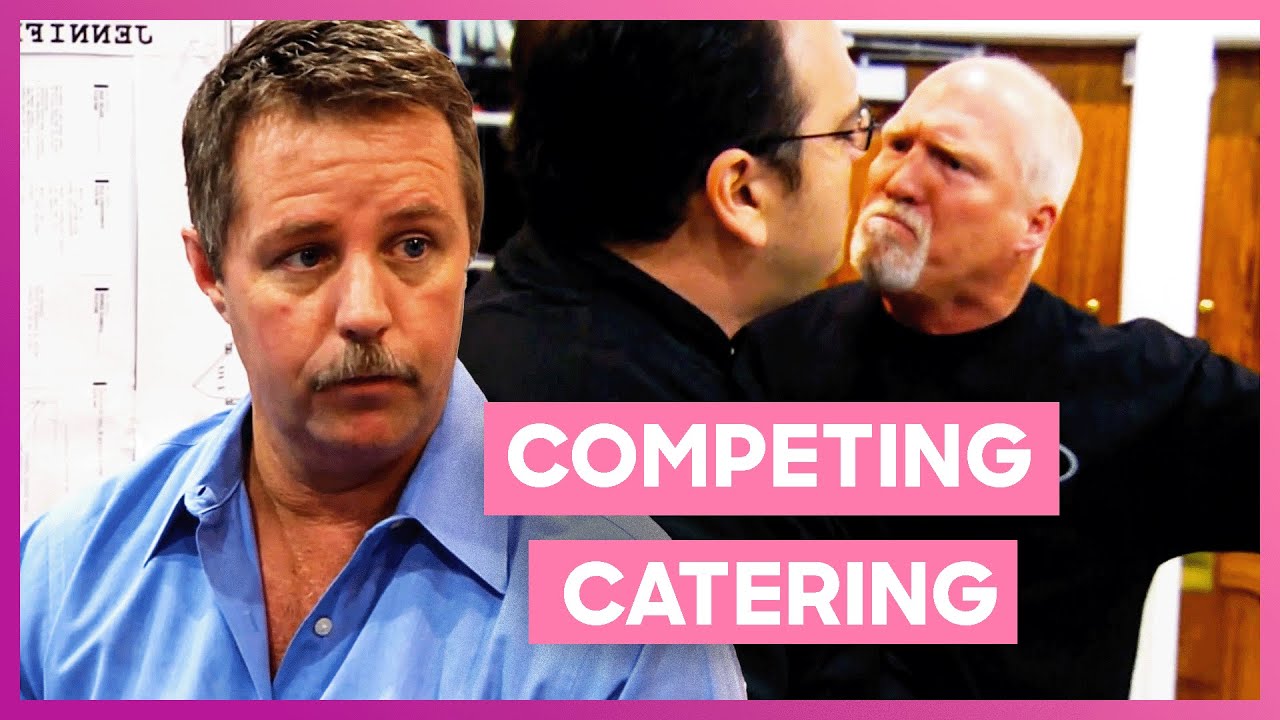
Chef Caught Red-Handed Running A Competing Catering Company From Restaurant | Mystery Diners
Two months in and this chef's already running side catering out of your walk-in, using your mise, burning your labor hours on his book. The math is brutal but simple: when someone's working two jobs and one of them is yours, guess which one gets the leftover effort. You either lock down your systems — inventory tracking, schedule accountability, kitchen access after hours — or you're subsidizing someone else's business with your food cost.
Be clear about what you expect on day one and hold people to it consistently. Give feedback in real time, not in annual reviews that nobody in this industry does anyway. Pay as well as you can and be honest when you can't.
Make the schedule fair and post it with enough lead time that people can plan their lives. Run a family meal that's actually good. Say thank you.
It's not complicated. It's just constant.
People are the ones who run the systems. Kitchen Systems covers the operational structures your team needs to follow. Underdogs & Origins tells the stories of people who built something from nothing — often because someone gave them a shot when nobody else would.