Staff & Leadership
You got into this business because of the food. You stay in it — or don't — because of the people. Every operator eventually discovers that the hardest part of running a kitchen isn't the cooking.
It's building a team that shows up, gives a damn, and doesn't quit after three months. Hiring is a skill most operators never formally learn. Training is something that happens haphazardly between rushes.
Retention is a problem that gets blamed on the industry rather than on the specific ways a kitchen is managed. These videos look at all of it — how to find people, how to train them so they're useful fast, how to build a culture that makes them want to stay, and what to do when they don't.
Why Good People Leave
Turnover in restaurants runs somewhere around 75 percent annually, and operators love to blame the labor market. Some of that is real — the hours are brutal, the pay is often low, and there's always another kitchen hiring. But a lot of the turnover is self-inflicted.
No structured training, so new hires feel lost and overwhelmed. No clear standards, so good cooks get frustrated watching bad cooks get away with less. No path forward, so ambitious people leave for places that offer one.
The kitchens with the lowest turnover aren't paying the most. They're the ones where people feel like they're learning something, where the standards are clear and consistently enforced, and where the chef actually talks to the team like adults. Culture isn't a poster on the wall.
It's what happens when you're not watching.
Why Good People Leave
Turnover in restaurants runs somewhere around 75 percent annually, and operators love to blame the labor market. Some of that is real — the hours are brutal, the pay is often low, and there's always another kitchen hiring. But a lot of the turnover is self-inflicted.
No structured training, so new hires feel lost and overwhelmed. No clear standards, so good cooks get frustrated watching bad cooks get away with less. No path forward, so ambitious people leave for places that offer one.
The kitchens with the lowest turnover aren't paying the most. They're the ones where people feel like they're learning something, where the standards are clear and consistently enforced, and where the chef actually talks to the team like adults. Culture isn't a poster on the wall.
It's what happens when you're not watching.
“You got into this because of the food. You stay in it — or don't — because of the people.”
Building a Kitchen People Don't Want to Leave
170 videosVideos on restaurant hiring, team management, kitchen culture, leadership under pressure, and what it actually takes to keep good people in a brutal industry.
2 videos tagged “Pastry & Baking”
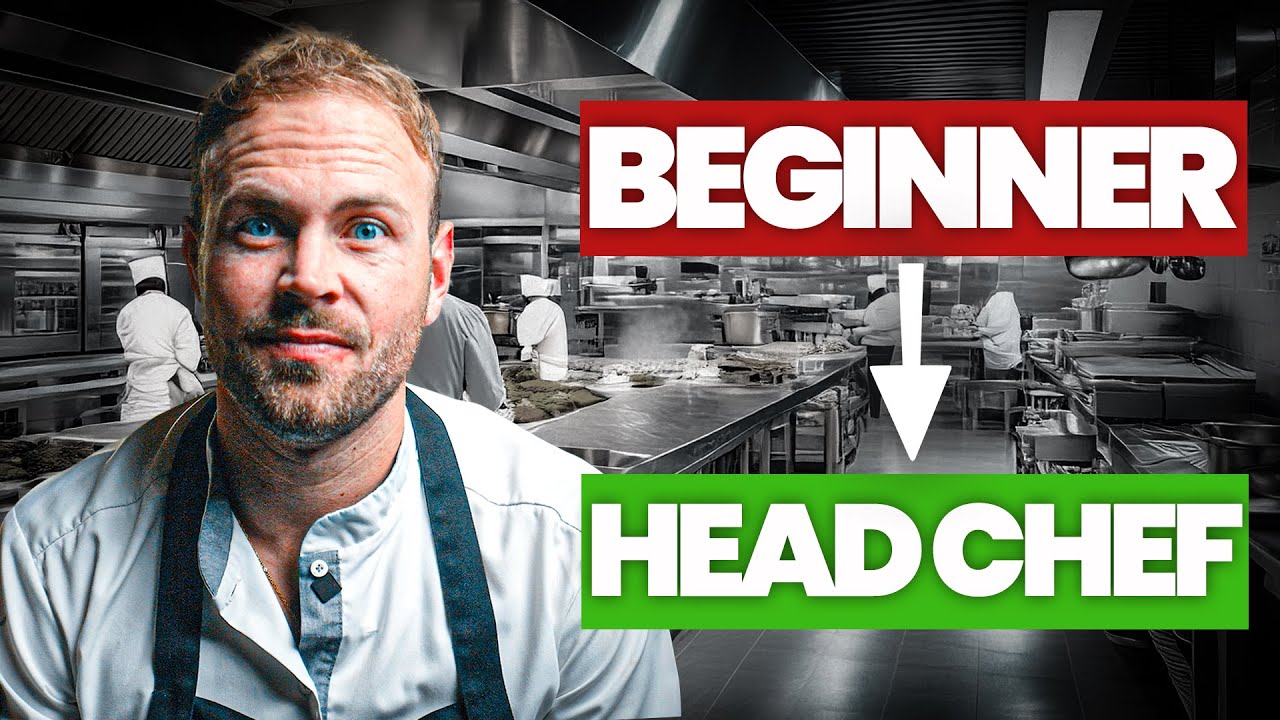
How I’d Start Being a Chef in 2025 (If I Had to Start Over)
Three restaurants before 30 means this guy learned to read P&Ls before he could properly brunoise an onion, and that's exactly the kind of backwards wisdom that actually works in 2025. Most culinary kids still think the path runs through perfect knife cuts and Instagram plating, but the operators who survive know it starts with understanding why your food cost jumped two points last month. He's breaking down the unsexy fundamentals that separate lifers from the washouts who flame out after their first inventory.

Stop Managing, Start Leading | Hamza Khan | TEDxRyersonU
Look, I've watched too many cooks quit because their chef thought barking orders and micromanaging was leadership — it's not, it's just fear dressed up as authority. This guy breaks down why your old-school "because I said so" approach is bleeding talent and money, especially with younger cooks who actually give a damn about more than just a paycheck. If you're wondering why your kitchen feels like a revolving door, this might save you from hiring your tenth line cook this year.
Be clear about what you expect on day one and hold people to it consistently. Give feedback in real time, not in annual reviews that nobody in this industry does anyway. Pay as well as you can and be honest when you can't.
Make the schedule fair and post it with enough lead time that people can plan their lives. Run a family meal that's actually good. Say thank you.
It's not complicated. It's just constant.
People are the ones who run the systems. Kitchen Systems covers the operational structures your team needs to follow. Underdogs & Origins tells the stories of people who built something from nothing — often because someone gave them a shot when nobody else would.