Staff & Leadership
You got into this business because of the food. You stay in it — or don't — because of the people. Every operator eventually discovers that the hardest part of running a kitchen isn't the cooking.
It's building a team that shows up, gives a damn, and doesn't quit after three months. Hiring is a skill most operators never formally learn. Training is something that happens haphazardly between rushes.
Retention is a problem that gets blamed on the industry rather than on the specific ways a kitchen is managed. These videos look at all of it — how to find people, how to train them so they're useful fast, how to build a culture that makes them want to stay, and what to do when they don't.
Why Good People Leave
Turnover in restaurants runs somewhere around 75 percent annually, and operators love to blame the labor market. Some of that is real — the hours are brutal, the pay is often low, and there's always another kitchen hiring. But a lot of the turnover is self-inflicted.
No structured training, so new hires feel lost and overwhelmed. No clear standards, so good cooks get frustrated watching bad cooks get away with less. No path forward, so ambitious people leave for places that offer one.
The kitchens with the lowest turnover aren't paying the most. They're the ones where people feel like they're learning something, where the standards are clear and consistently enforced, and where the chef actually talks to the team like adults. Culture isn't a poster on the wall.
It's what happens when you're not watching.
Why Good People Leave
Turnover in restaurants runs somewhere around 75 percent annually, and operators love to blame the labor market. Some of that is real — the hours are brutal, the pay is often low, and there's always another kitchen hiring. But a lot of the turnover is self-inflicted.
No structured training, so new hires feel lost and overwhelmed. No clear standards, so good cooks get frustrated watching bad cooks get away with less. No path forward, so ambitious people leave for places that offer one.
The kitchens with the lowest turnover aren't paying the most. They're the ones where people feel like they're learning something, where the standards are clear and consistently enforced, and where the chef actually talks to the team like adults. Culture isn't a poster on the wall.
It's what happens when you're not watching.
“You got into this because of the food. You stay in it — or don't — because of the people.”
Building a Kitchen People Don't Want to Leave
170 videosVideos on restaurant hiring, team management, kitchen culture, leadership under pressure, and what it actually takes to keep good people in a brutal industry.
3 videos tagged “Systems & Ops”
![The 7 Laws of Restaurant Leadership [Restaurant Management]](https://i.ytimg.com/vi/bLJMvX2eLqM/maxresdefault.jpg)
The 7 Laws of Restaurant Leadership [Restaurant Management]
Dave Allred breaks down the seven non-negotiables that separate managers who survive from leaders who actually build teams — the difference between barking orders at a burnt-out crew and having people who'd follow you into a 500-cover Saturday. You've seen both types: the GM who hides in the office when tickets start flying versus the one who jumps on saute when you're three cooks down. These aren't motivational poster platitudes — they're the operational truths that determine whether your kitchen runs like a machine or bleeds talent every month.
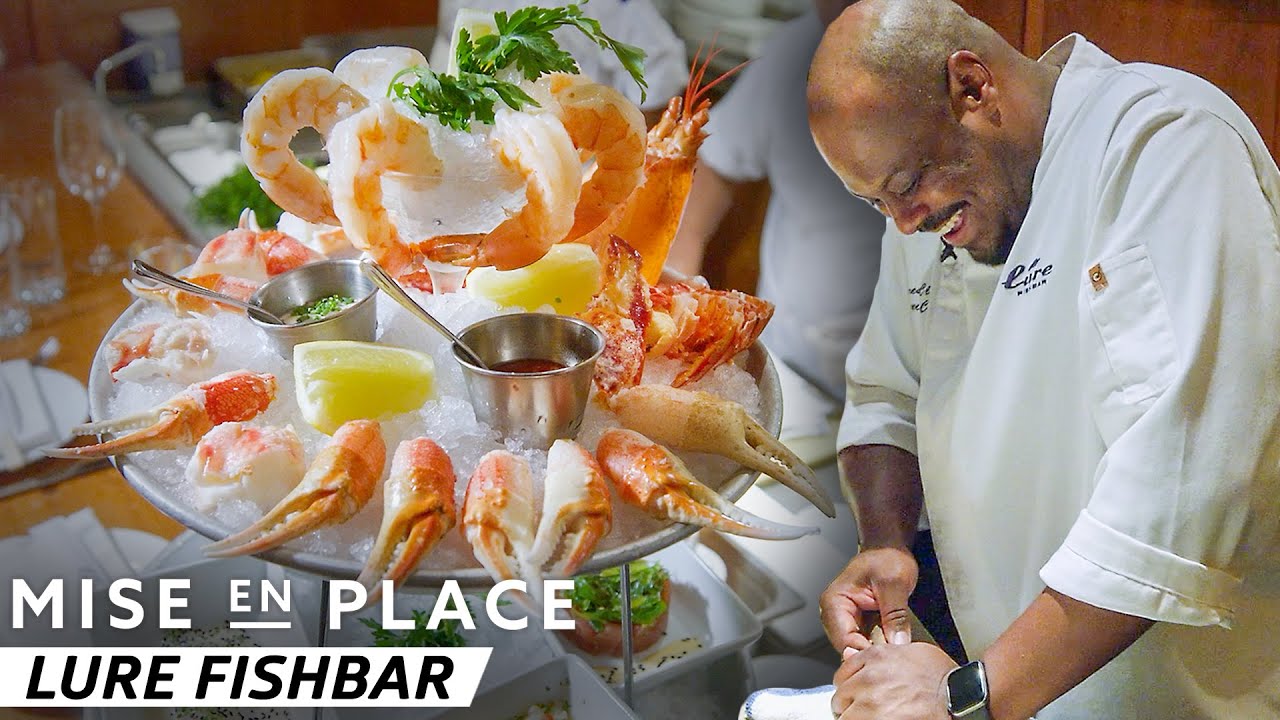
How a Master Chef Runs One of the Most Successful Seafood Restaurants in the Country — Mise En Place
Moving 3000 oysters a week isn't about having the best shucking knife — it's about building systems that don't break when your best shucker calls out sick on Friday night. You watch this kitchen run and you see the truth every operator knows: consistency beats perfection, and perfection without consistency is just expensive chaos. The fish sourcing matters, but what really matters is how they've built a machine that delivers the same plate whether it's Tuesday lunch or Saturday in the weeds.

Restaurant Management Tip - How to Find Good Restaurant Employees #restaurantsystems
I've watched owners throw money at job boards while their best hires walked through the back door asking if anyone needed help. This guy gets it — in a labor market where everyone's fishing in the same shallow pool, the restaurants that survive are the ones that know where the real talent hides.
Be clear about what you expect on day one and hold people to it consistently. Give feedback in real time, not in annual reviews that nobody in this industry does anyway. Pay as well as you can and be honest when you can't.
Make the schedule fair and post it with enough lead time that people can plan their lives. Run a family meal that's actually good. Say thank you.
It's not complicated. It's just constant.
People are the ones who run the systems. Kitchen Systems covers the operational structures your team needs to follow. Underdogs & Origins tells the stories of people who built something from nothing — often because someone gave them a shot when nobody else would.