
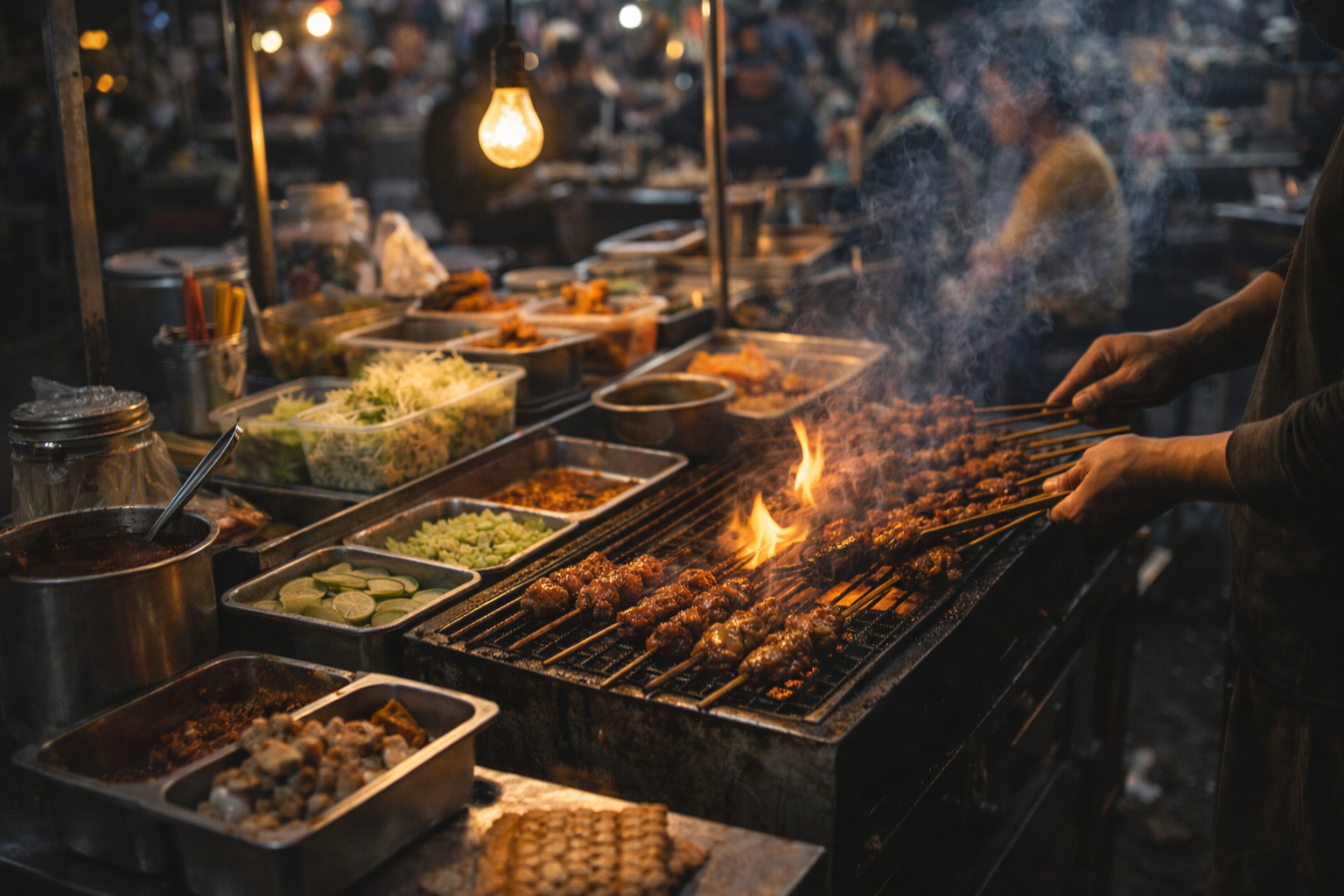
Street Food & Travel
There is a kind of cooking that exists outside restaurants, outside technique manuals, outside the whole apparatus of Michelin stars and tasting menus. It happens on sidewalks and in markets and from carts where a family has been making the same dish for three generations. The food isn't refined, usually.
It isn't trying to be. It's cooking at its most direct — someone learned to make something, they make it extraordinarily well, and they sell it to people who want it. This is where most of the world's most interesting food actually lives.
The dishes that became the foundation of entire cuisines. The flavors that fine dining spends decades trying to deconstruct and never quite captures, because the original was never about refinement — it was about feeding people deliciously with what was available.
What Street Food Remembers That Restaurants Forget
Constraint produces creativity. Every great street food tradition was built under constraints — limited equipment, limited ingredients, limited space, immediate feedback from every customer. The taco al pastor exists because of a vertical spit brought by Lebanese immigrants to Mexico and adapted with local chiles and pineapple.
The bánh mì exists because of French baguettes grafted onto Vietnamese flavors and economics. A vendor with one dish has to make that dish extraordinary. A restaurant with forty items often makes none of them extraordinary.
There's a lesson in that for anyone designing a menu or thinking about what their kitchen is actually for. Simplicity isn't a limitation. It's focus.
What Street Food Remembers That Restaurants Forget
Constraint produces creativity. Every great street food tradition was built under constraints — limited equipment, limited ingredients, limited space, immediate feedback from every customer. The taco al pastor exists because of a vertical spit brought by Lebanese immigrants to Mexico and adapted with local chiles and pineapple.
The bánh mì exists because of French baguettes grafted onto Vietnamese flavors and economics. A vendor with one dish has to make that dish extraordinary. A restaurant with forty items often makes none of them extraordinary.
There's a lesson in that for anyone designing a menu or thinking about what their kitchen is actually for. Simplicity isn't a limitation. It's focus.
“Constraint produces creativity. Simplicity isn't a limitation. It's focus.”
The Food That Feeds Everything Else
378 videosVideos on street food vendors, night markets, food destinations, artisan food production, and the culinary traditions that fine dining borrows from constantly.
4 videos tagged “Mediterranean”
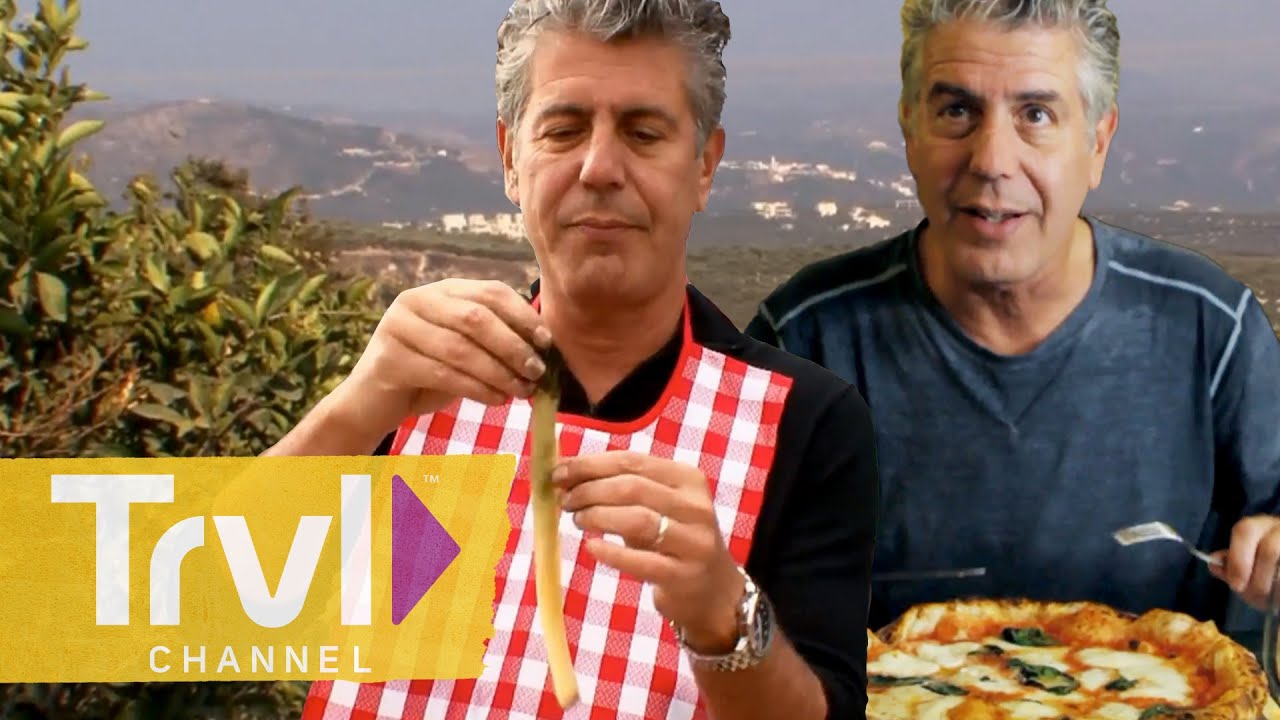
Anthony in the Mediterranean | No Reservations: Anthony Bourdain | Travel Channel
The Mediterranean — where the olive oil flows, the wine is mandatory, and every grandmother cooks better than every restaurant. Bourdain along the coast, eating food that's been essentially the same for three thousand years and still hasn't been improved upon.
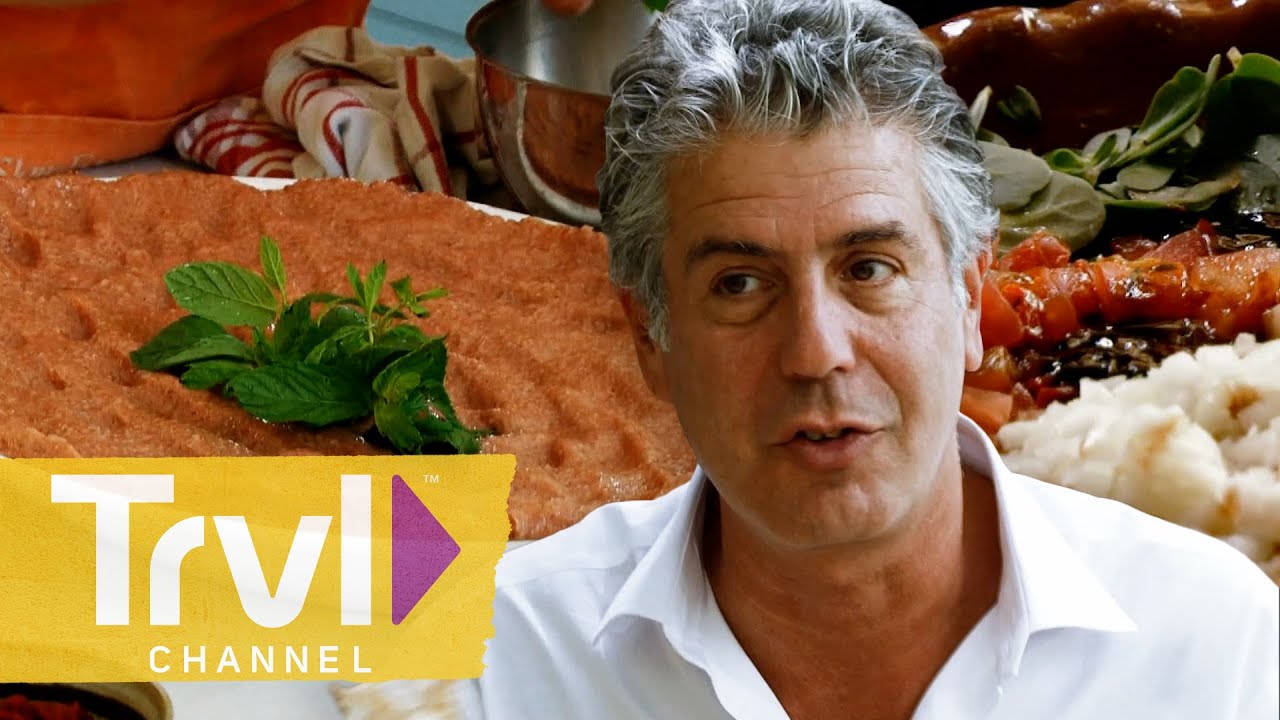
The Best of Lebanese Cuisine | Anthony Bourdain: No Reservations | Travel Channel
Lebanese cooking is the bridge between Mediterranean and Middle Eastern, and it doesn't compromise on either side. Bourdain eating through Beirut's contradictions — the beauty and the rubble, the mezze and the memories. Every dish here has survived something.
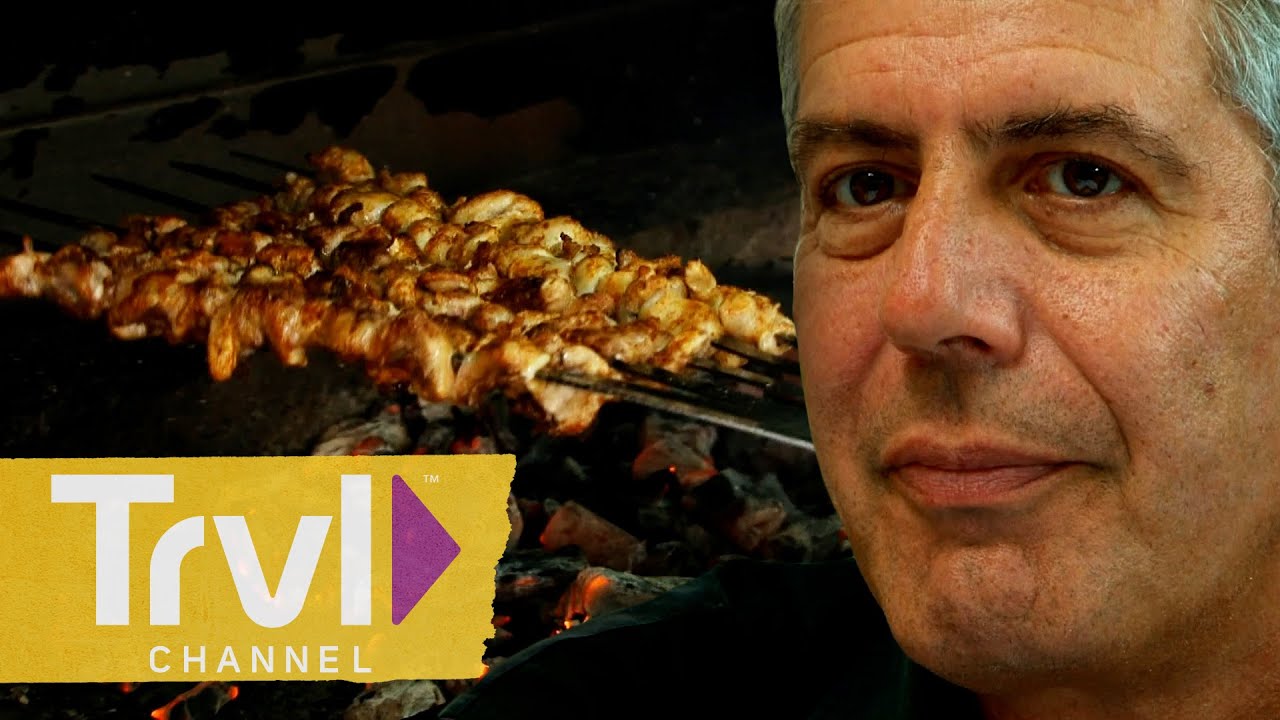
Famous Kebabs & Dishes Fit for an Unusual Feast | Anthony Bourdain: No Reservations | Travel Channel
Famous kebabs prepared with the kind of precision that turns ground meat into art. The feast is unusual because the best ones always are — too much food, too many stories, and the kind of hospitality that makes you realize how stingy most restaurant portions actually are.
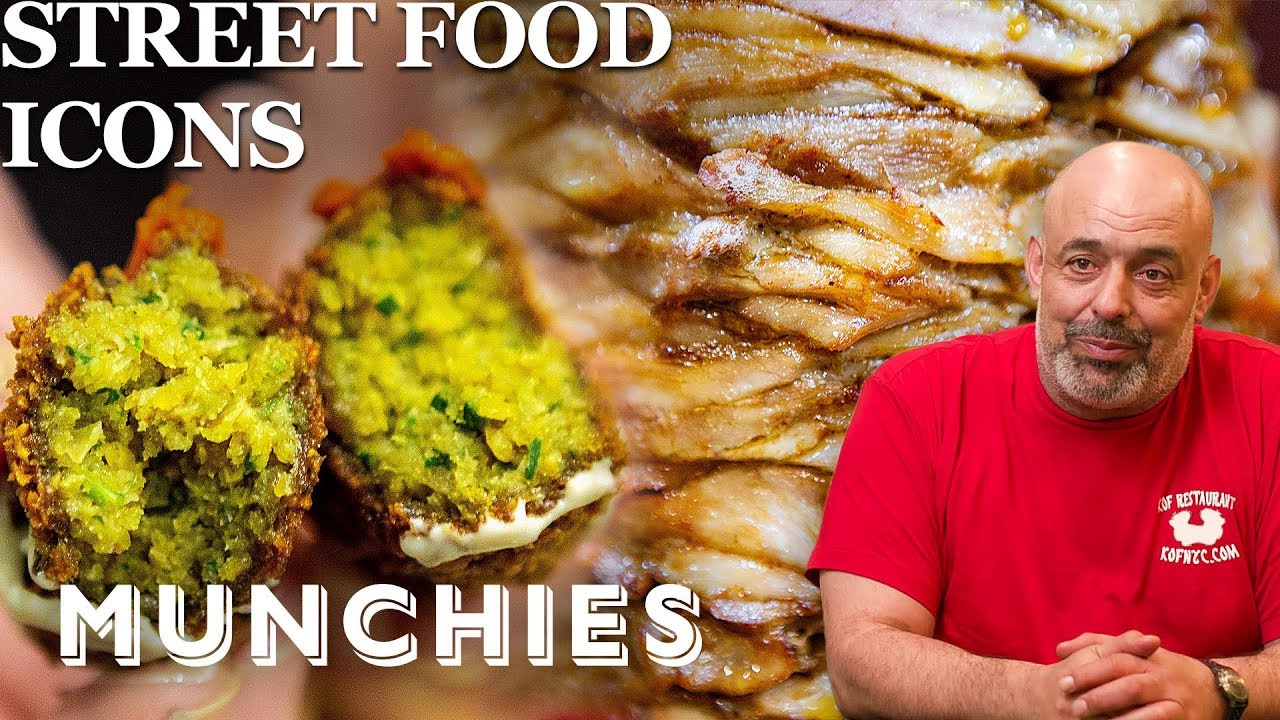
The King of Falafel | Street Food Icons
Seventeen years on the same corner in Astoria, same cart, same hands working the oil — that's the kind of consistency that builds empires one falafel at a time. You watch this guy's muscle memory and realize there's no difference between his mise and a Michelin kitchen's, just different equipment and a lot more weather. The tourists come for the Instagram moment, but the locals keep him alive, and anyone who's ever worked a station knows which one actually matters.
The dosa cart in Manhattan. The Oaxacan tlayuda in Los Angeles. Every one of these is a story of someone bringing what they knew to a new place and adapting it to survive.
The food is inseparable from the story, and the story is usually more interesting than anything happening in a restaurant with a PR team.
The creativity and constraint in these videos connects directly to Menu Design — the best menus are often inspired by exactly this kind of focused simplicity. Underdogs & Origins tells similar stories from a more personal angle.