Technique & Skill
There are two kinds of cooking knowledge. There's the kind you can read — ratios, temperatures, the science of emulsification. And there's the kind that lives in your hands.
The feel of properly developed dough. The sound of a correct sear. The instinct for when a sauce is thirty seconds from breaking.
The second kind only comes from repetition, and it's what separates cooks who are capable from cooks who are good. These videos are worth watching more than once. A great demonstration of knife work isn't educational the first time — it's educational the twentieth time, when you've done the cut yourself a hundred times and can finally see the specific thing you're still getting wrong.
Why Watching Isn't the Same as Learning
A skilled cook makes everything look easy, and that's the trap. The knife glides through the onion because a thousand hours of practice found the exact grip, angle, and motion that eliminates resistance. The sauce comes together in seconds because the cook knows instinctively when the temperature is right and how much fat to add.
None of it was natural. All of it was built through deliberate practice, usually with someone standing next to them correcting their wrist angle or their pan technique. Video can't correct your wrist.
But it can show you what correct looks like, clearly and repeatedly, so that when you practice, you know what you're aiming for. Watch carefully. Practice slowly.
Watch again and find what you missed.
Why Watching Isn't the Same as Learning
A skilled cook makes everything look easy, and that's the trap. The knife glides through the onion because a thousand hours of practice found the exact grip, angle, and motion that eliminates resistance. The sauce comes together in seconds because the cook knows instinctively when the temperature is right and how much fat to add.
None of it was natural. All of it was built through deliberate practice, usually with someone standing next to them correcting their wrist angle or their pan technique. Video can't correct your wrist.
But it can show you what correct looks like, clearly and repeatedly, so that when you practice, you know what you're aiming for. Watch carefully. Practice slowly.
Watch again and find what you missed.
“A great demonstration isn't educational the first time. It's educational the twentieth.”
The Foundations Worth Practicing
427 videosVideos on knife skills, cooking fundamentals, plating techniques, and the craft behind professional cooking at every level.
10 videos tagged “Butchery & Protein”
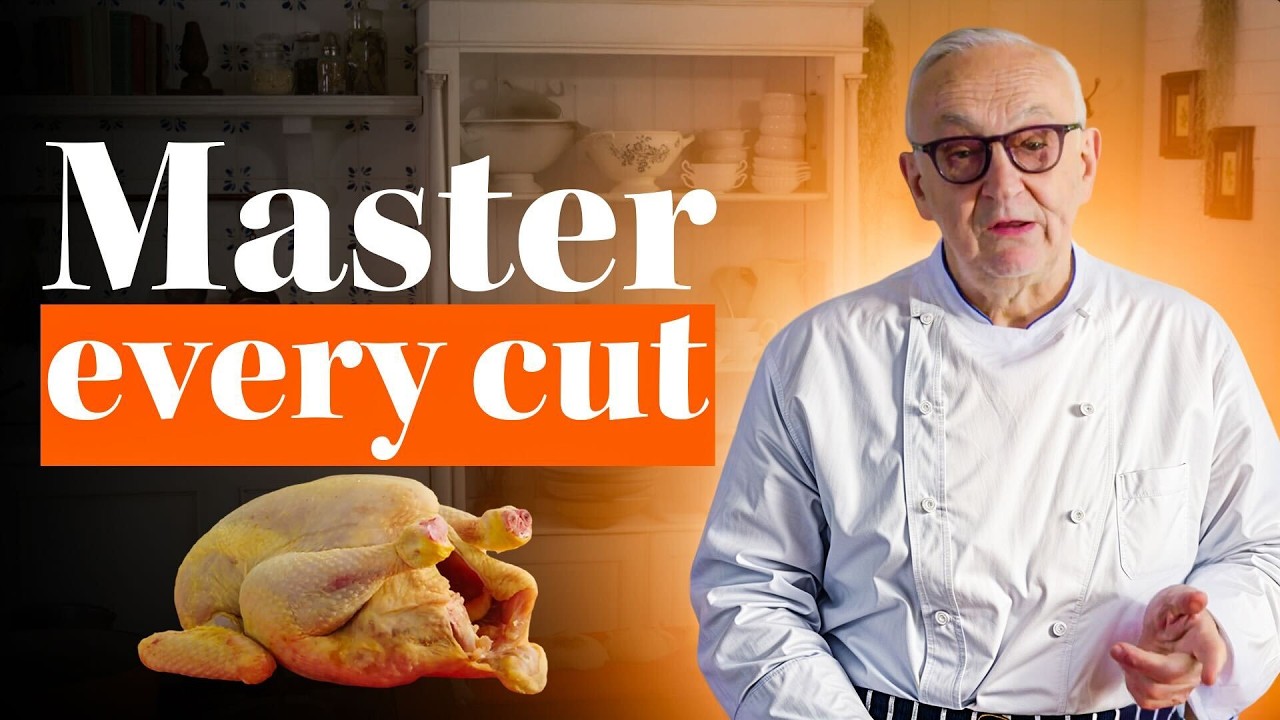
Master the art of meat cutting with Pierre Koffmann | Meet your Maestro | BBC Maestro
Before the sear, before the sauce, before the plate — there is the cut. Koffmann's knife work is a lesson in anatomy: understanding where the muscle runs, where the grain changes direction, where the fat caps protect the flesh. Nine minutes of watching a master butcher a piece of meat will teach you more about cooking than most hour-long tutorials.
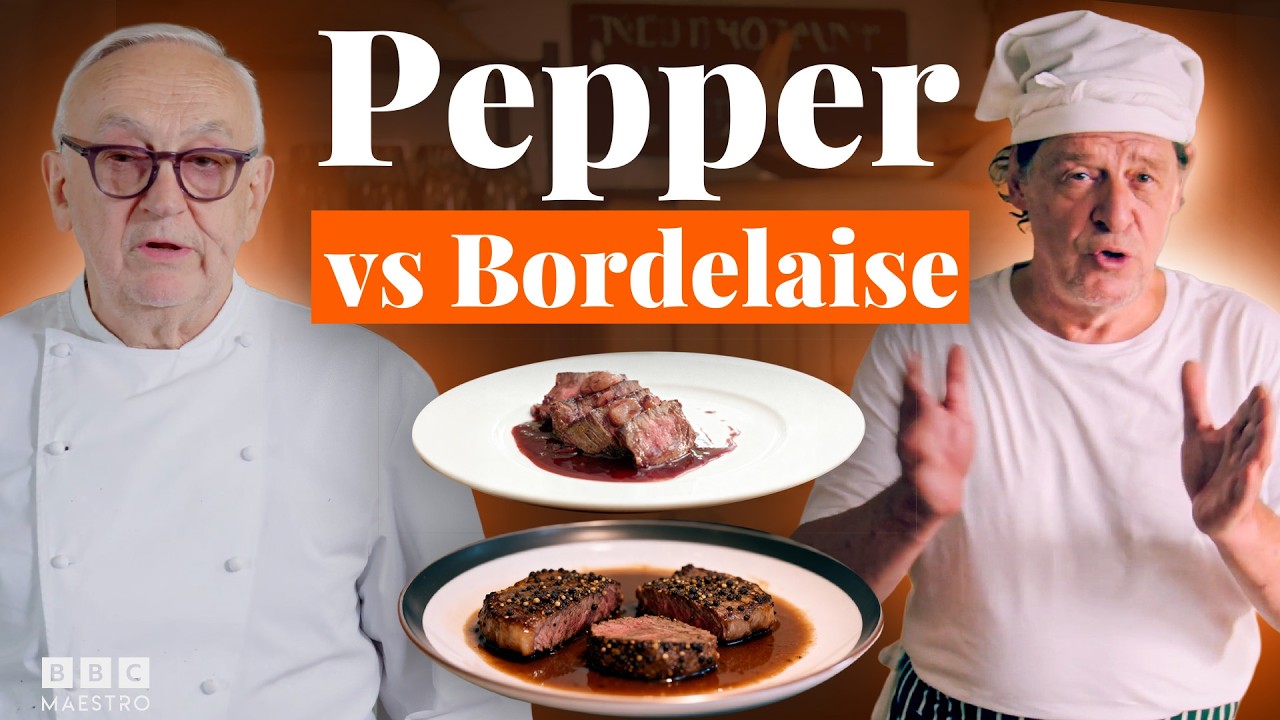
Steak au Poivre vs Fillet Bordelaise with Marco Pierre White and Pierre Koffmann | BBC Maestro
Two legends. Two cuts. Two sauces. When Marco Pierre White and Pierre Koffmann stand at the same stove, you are watching seventy combined years of classical French training collide. The steak au poivre is theatre; the bordelaise is discipline. Together, they make the case that the golden age of restaurant cooking never really ended — it just went back to fundamentals.

Beef's Best Kept Secrets | Anthony Bourdain: No Reservations | Travel Channel
The secrets of beef aren't in the cut — they're in the animal, the feed, the aging, and the person behind the grill who knows when to leave it alone. Bourdain learning what the best butchers already know: the less you do to great beef, the better it gets.
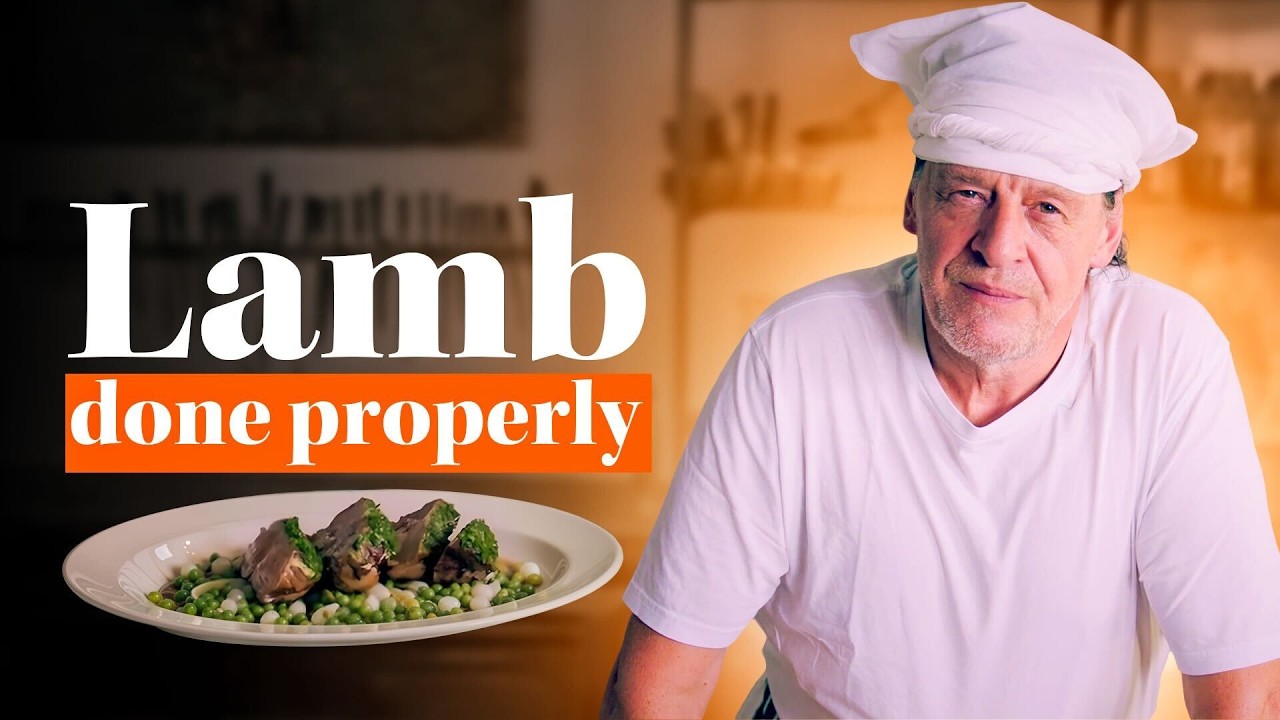
The SECRET to perfect lamb joints with Marco Pierre White | Meet your Maestro | BBC Maestro
Marco Pierre White breaks down lamb joints with the kind of casual precision that makes twenty-year cooks stop and watch. You can see the years in how he positions the knife, reads the grain, finds the natural seams that separate muscle from bone without fighting the meat. This is what proper butchery looks like — not the Instagram hacksaw work, but the quiet efficiency of someone who's broken down ten thousand animals and knows exactly where each cut wants to go. Anyone who's ever wrestled with a leg of lamb on a busy Saturday knows this isn't technique you fake.

2 Michelin Techniques for Salmon
Hallberg breaks down two Michelin-level salmon techniques that most home cooks butcher and half the line never learned properly. The kind of precision that separates someone who can flip a piece of fish from someone who understands what temperature control actually means. You either nail the fundamentals or you're just another cook who thinks heat and hope make a system.

Fine Dining Made Easy: Step-by-Step Chicken Ballotine Recipe
Ballotine looks fancy on the plate, but it's really just butchery fundamentals dressed up — clean knife work, even seasoning, tight rolling technique that keeps the filling where it belongs. Chef Majk breaks down each step without the usual YouTube theatrics, showing you the hand positions and timing that separate a clean execution from something that falls apart on the pass. Anyone who's had to bone out 50 birds for service knows this isn't about being fancy. It's about consistency under pressure.

How to make LIQUID SPHERES | Easy Molecular Gastronomy
Chef Rudakova walks you through spherification like she's teaching mise prep — methodical, precise, no wasted motion. The calcium chloride bath, the sodium alginate mixture, the timing on each sphere as it forms its skin. You've probably seen this technique butchered by weekend warriors who think molecular means impressive. Here's how it actually works when someone knows what they're doing.

Professional Baker Teaches You How To Make PUFF PASTRY!
I've spent years watching cooks butcher laminated dough because they never learned the why behind the fold, just muscle-memorized some half-remembered technique from culinary school. Anna Olson walking through the inverted method — building the butter block on the outside instead of wrapping it like a present — is the kind of foundational shift that makes you realize how many shortcuts you've been taking. This is what separates the pastry cook who can execute from the one who actually understands the dough.
Learn Jacques Pépin's famous omelet techniques
I've watched a thousand cooks butcher eggs into rubber medallions, but Pépin's omelet technique is pure poetry—the kind of foundational skill that separates line cooks from chefs. Watch this master work and you'll understand why the French treat eggs like a religion, not a convenience food.
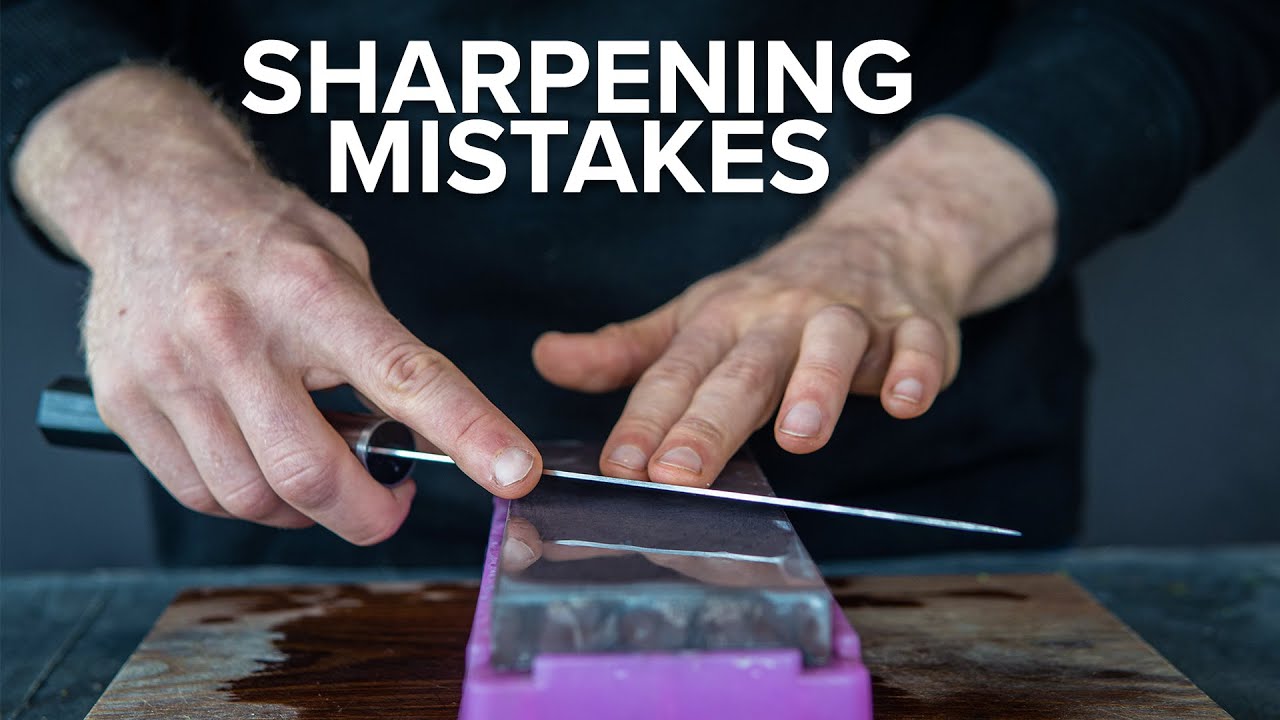
Whetstone Sharpening Mistakes that Most Beginners Make
Look, I've watched too many cooks butcher perfectly good knives on whetstones because nobody taught them the basics. Chlebowski actually breaks down the angle game and pressure mistakes that turn your blade into expensive scrap metal. This is the video I wish existed when I was learning to sharpen instead of ruining three Henckels figuring it out the hard way.
A cook who can break down a case of onions in ten minutes has twenty more minutes for everything else on the prep list. After the knife: heat management. Reading a pan.
Knowing the difference between a sear and a steam. Understanding what oil temperature actually sounds like. Then plating — not as decoration, but as the final step in communicating what the dish is supposed to be.
Each skill builds on the one before it, and none of them have shortcuts.
Technique and equipment are inseparable — understanding your tools is part of executing properly. Equipment & Tools goes deeper on the gear. For the business context that makes these skills valuable, Cost Control and Menu Design show how craft translates into a menu that works financially.