Technique & Skill
There are two kinds of cooking knowledge. There's the kind you can read — ratios, temperatures, the science of emulsification. And there's the kind that lives in your hands.
The feel of properly developed dough. The sound of a correct sear. The instinct for when a sauce is thirty seconds from breaking.
The second kind only comes from repetition, and it's what separates cooks who are capable from cooks who are good. These videos are worth watching more than once. A great demonstration of knife work isn't educational the first time — it's educational the twentieth time, when you've done the cut yourself a hundred times and can finally see the specific thing you're still getting wrong.
Why Watching Isn't the Same as Learning
A skilled cook makes everything look easy, and that's the trap. The knife glides through the onion because a thousand hours of practice found the exact grip, angle, and motion that eliminates resistance. The sauce comes together in seconds because the cook knows instinctively when the temperature is right and how much fat to add.
None of it was natural. All of it was built through deliberate practice, usually with someone standing next to them correcting their wrist angle or their pan technique. Video can't correct your wrist.
But it can show you what correct looks like, clearly and repeatedly, so that when you practice, you know what you're aiming for. Watch carefully. Practice slowly.
Watch again and find what you missed.
Why Watching Isn't the Same as Learning
A skilled cook makes everything look easy, and that's the trap. The knife glides through the onion because a thousand hours of practice found the exact grip, angle, and motion that eliminates resistance. The sauce comes together in seconds because the cook knows instinctively when the temperature is right and how much fat to add.
None of it was natural. All of it was built through deliberate practice, usually with someone standing next to them correcting their wrist angle or their pan technique. Video can't correct your wrist.
But it can show you what correct looks like, clearly and repeatedly, so that when you practice, you know what you're aiming for. Watch carefully. Practice slowly.
Watch again and find what you missed.
“A great demonstration isn't educational the first time. It's educational the twentieth.”
The Foundations Worth Practicing
416 videosVideos on knife skills, cooking fundamentals, plating techniques, and the craft behind professional cooking at every level.
5 videos tagged “Competition”

Heston Blumenthal's Mousse Masterclass | MasterChef Australia | MasterChef World
Two ingredients, infinite ways to fuck it up. Heston walks through chocolate mousse like he's teaching surgery — the temperature windows, the whisking technique, the moment when physics decides whether you've got silk or soup. Anyone who's watched a cook rush the emulsion knows exactly where this is going. The difference between someone who's made a thousand mousses and someone who's watched a thousand videos.

Professional Chefs Compete in a Knife Skills Speed Challenge | Test Kitchen Talks | Bon Appétit
Seven cooks with decent knife skills and a timer — you already know how this ends. The real show isn't who finishes first, it's watching hands that have logged serious hours on the line move with that automatic precision you can't fake. Notice how the fast ones aren't rushing at all, just letting muscle memory do what ten thousand brunoise have trained it to do. Everyone else is thinking about their fingers.

Perfecting Plating | MasterChef Canada | MasterChef World
I've watched grown cooks crumble when service hits and their plates look like a toddler's finger painting - this MasterChef challenge with Bonacini cuts right to that truth. Forty-five minutes to make food look like it belongs in front of paying customers instead of a dumpster teaches you more about the gap between cooking and being a chef than any culinary school lecture. The panic in their eyes when time runs out is exactly what you'll see in your own kitchen until you drill this shit until it's muscle memory.
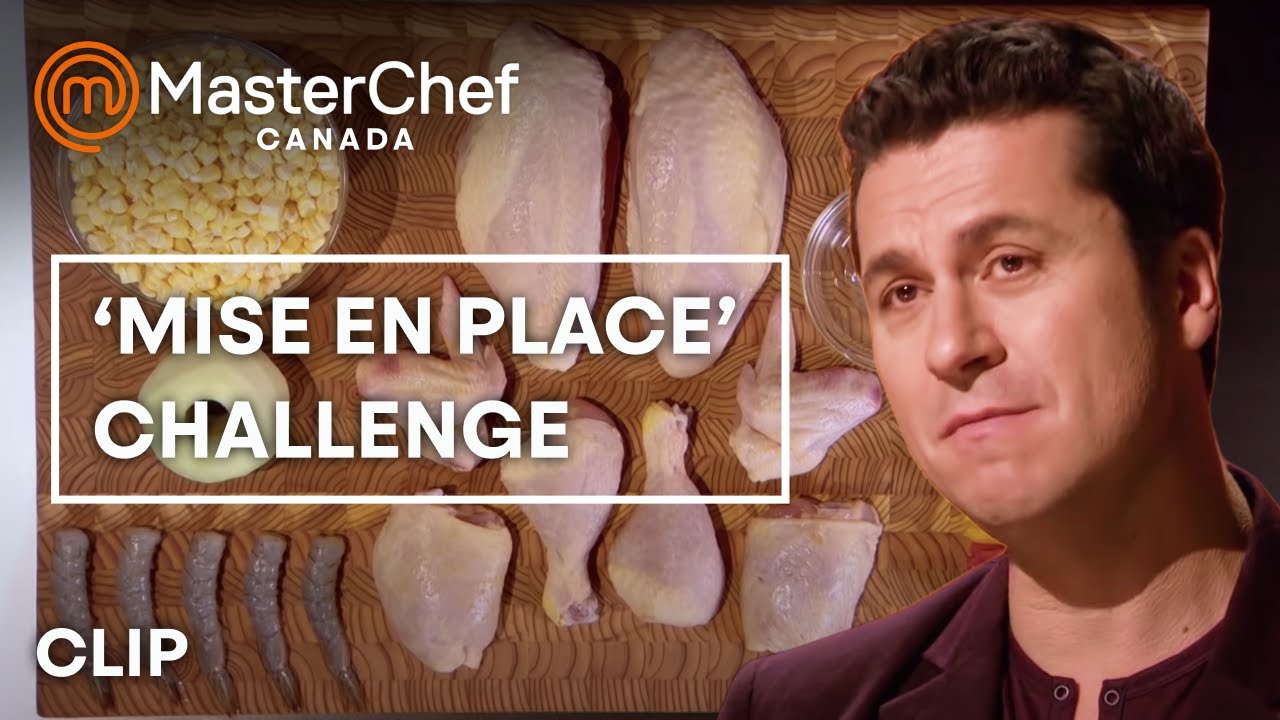
Culinary Precision Test | MasterChef Canada | MasterChef World
I've watched line cooks crack under pressure when the tickets start flying, and this knife skills gauntlet captures that same brutal reality perfectly. These contestants are learning what every real chef knows: precision under pressure isn't just technique, it's survival. When the clock's ticking and your mise is shit, all those pretty knife cuts you practiced at culinary school mean absolutely nothing.

Eric Chong & Alvin Leung Masterclass Restaurant Takeover | MasterChef Canada | MasterChef World
Watching home cooks get thrown into the deep end with two absolute masters running the pass is like watching controlled chaos unfold in real time. Chong and Leung don't coddle anyone here — they're running a restaurant service, not a cooking class, and the contestants either rise to meet that pressure or they crack. This is what separates the people who talk about cooking from the ones who can actually execute when the tickets start flying.
A cook who can break down a case of onions in ten minutes has twenty more minutes for everything else on the prep list. After the knife: heat management. Reading a pan.
Knowing the difference between a sear and a steam. Understanding what oil temperature actually sounds like. Then plating — not as decoration, but as the final step in communicating what the dish is supposed to be.
Each skill builds on the one before it, and none of them have shortcuts.
Technique and equipment are inseparable — understanding your tools is part of executing properly. Equipment & Tools goes deeper on the gear. For the business context that makes these skills valuable, Cost Control and Menu Design show how craft translates into a menu that works financially.