Technique & Skill
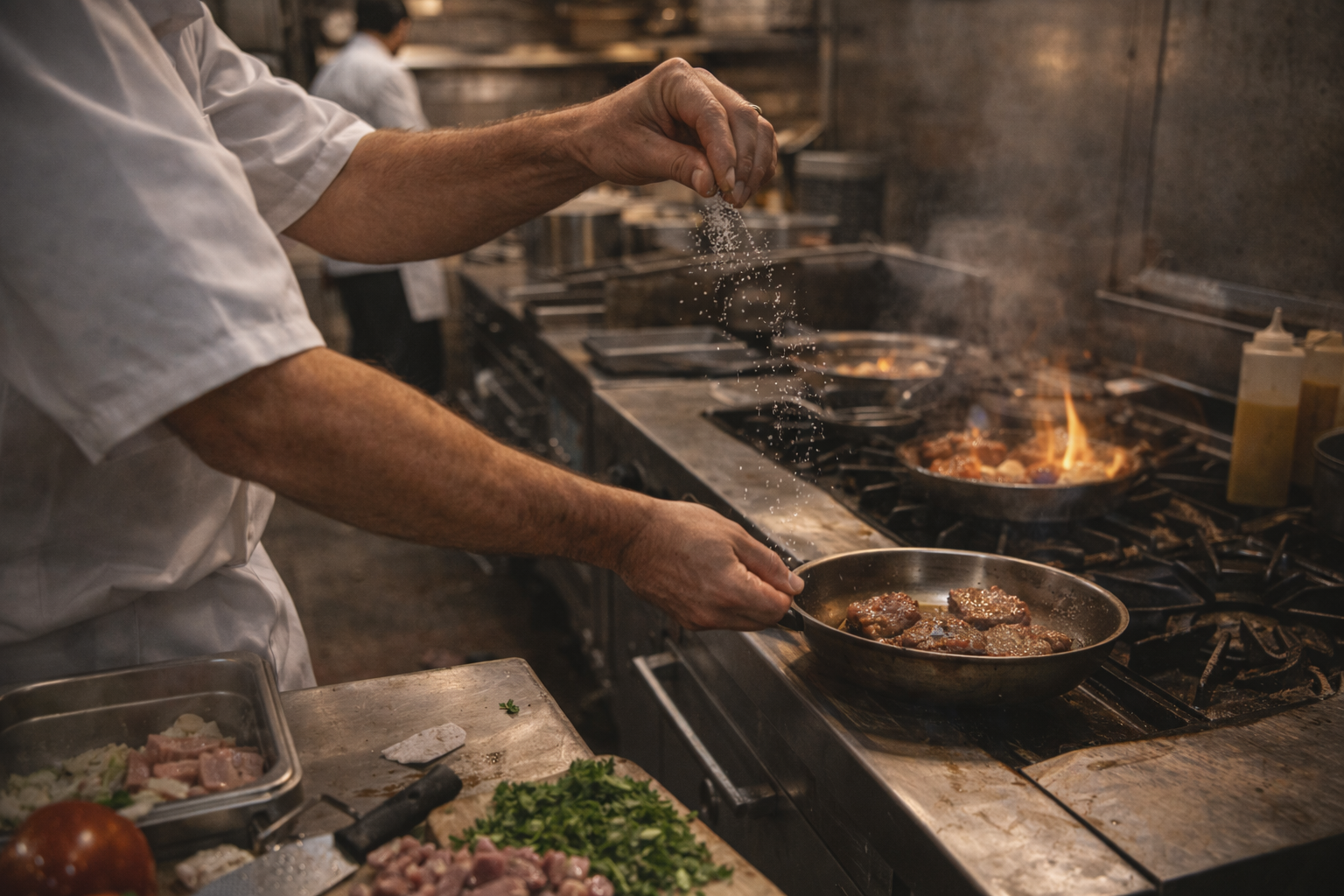
There are two kinds of cooking knowledge. There's the kind you can read — ratios, temperatures, the science of emulsification. And there's the kind that lives in your hands.
The feel of properly developed dough. The sound of a correct sear. The instinct for when a sauce is thirty seconds from breaking.
The second kind only comes from repetition, and it's what separates cooks who are capable from cooks who are good. These videos are worth watching more than once. A great demonstration of knife work isn't educational the first time — it's educational the twentieth time, when you've done the cut yourself a hundred times and can finally see the specific thing you're still getting wrong.
Why Watching Isn't the Same as Learning
A skilled cook makes everything look easy, and that's the trap. The knife glides through the onion because a thousand hours of practice found the exact grip, angle, and motion that eliminates resistance. The sauce comes together in seconds because the cook knows instinctively when the temperature is right and how much fat to add.
None of it was natural. All of it was built through deliberate practice, usually with someone standing next to them correcting their wrist angle or their pan technique. Video can't correct your wrist.
But it can show you what correct looks like, clearly and repeatedly, so that when you practice, you know what you're aiming for. Watch carefully. Practice slowly.
Watch again and find what you missed.
Why Watching Isn't the Same as Learning
A skilled cook makes everything look easy, and that's the trap. The knife glides through the onion because a thousand hours of practice found the exact grip, angle, and motion that eliminates resistance. The sauce comes together in seconds because the cook knows instinctively when the temperature is right and how much fat to add.
None of it was natural. All of it was built through deliberate practice, usually with someone standing next to them correcting their wrist angle or their pan technique. Video can't correct your wrist.
But it can show you what correct looks like, clearly and repeatedly, so that when you practice, you know what you're aiming for. Watch carefully. Practice slowly.
Watch again and find what you missed.
“A great demonstration isn't educational the first time. It's educational the twentieth.”
The Foundations Worth Practicing
427 videosVideos on knife skills, cooking fundamentals, plating techniques, and the craft behind professional cooking at every level.
7 videos tagged “Gordon Ramsay”
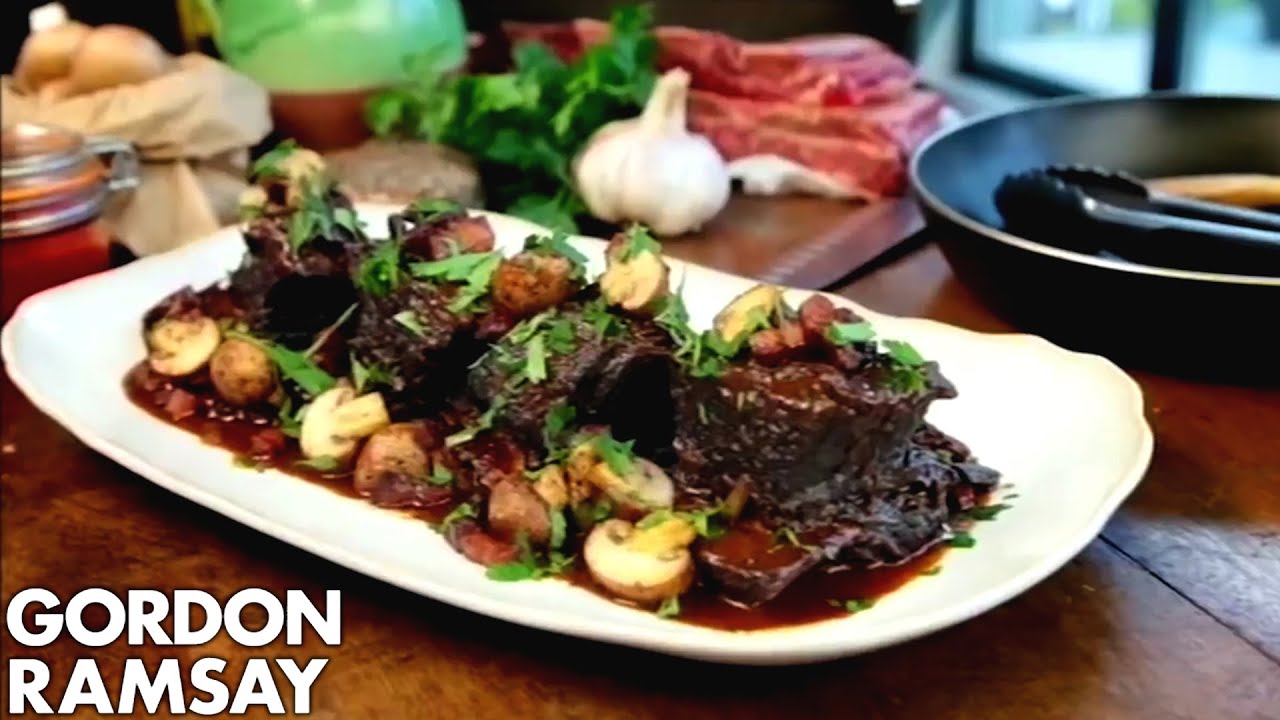
Slow Cooking Beef Short Ribs | Gordon Ramsay
Ramsay working short ribs the way they're meant to be worked — low, slow, and with the kind of patience that separates cooks from chefs. You can hear it in how he talks about the collagen breaking down, see it in hands that know exactly when to flip and when to leave alone. This isn't the TV Gordon screaming about donkey sauce. This is forty years of understanding that tough cuts don't break under pressure — they surrender to time.

Gordon's Cooking & Shopping Guide For Spices
Gordon's buying spices the way your grandmother did — smelling, touching, talking to vendors who know their cumin from their caraway. You watch him work through a spice market and realize how much flavor gets lost in those industrial shakers sitting on your station, how much better your mise could be if you actually gave a damn about what's in those little containers. The man may be famous for screaming, but here he's just a cook who understands that good spice is the difference between food that satisfies and food that haunts you.
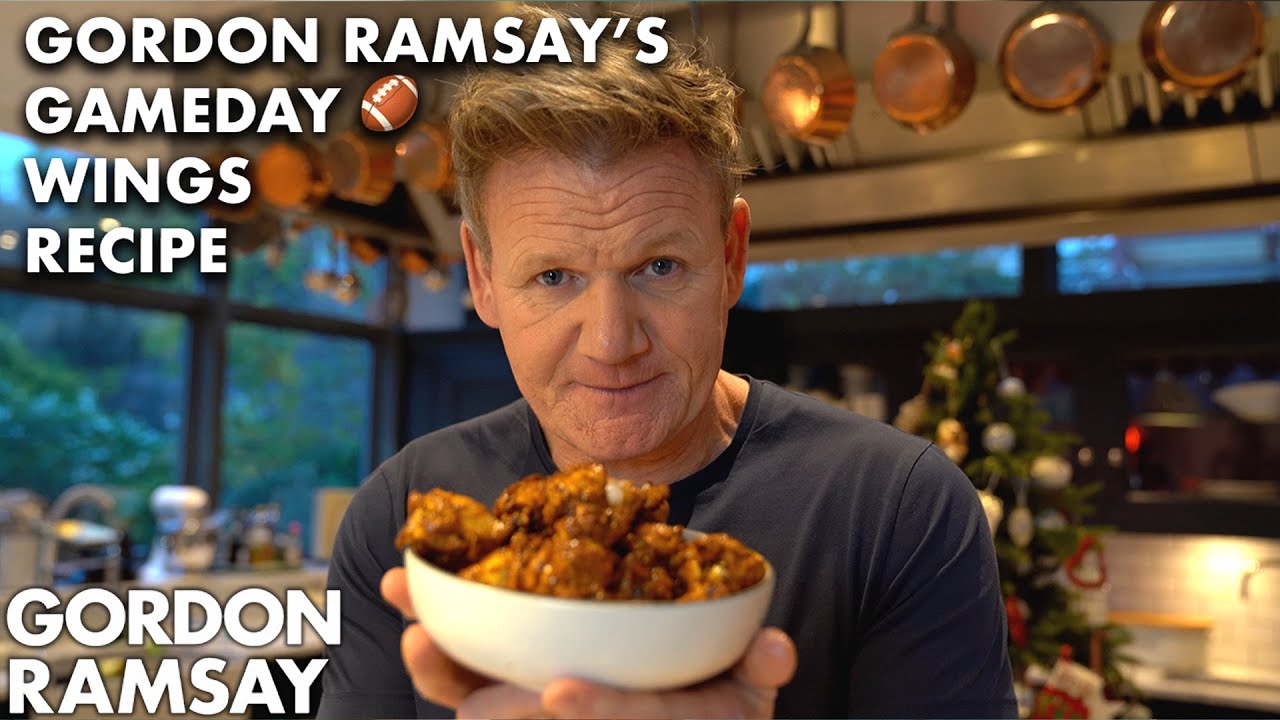
Gordon Ramsay's Hot Ones Inspired Wings
I don't give a damn about Gordon's celebrity schtick, but the man knows his way around a fryer and isn't afraid to show the actual technique behind getting wings properly crispy. He breaks down the double-fry method and sauce application timing that most home cooks and half the wing joints in America still fuck up. Worth watching for the fundamentals, even if you have to endure the TV personality nonsense.
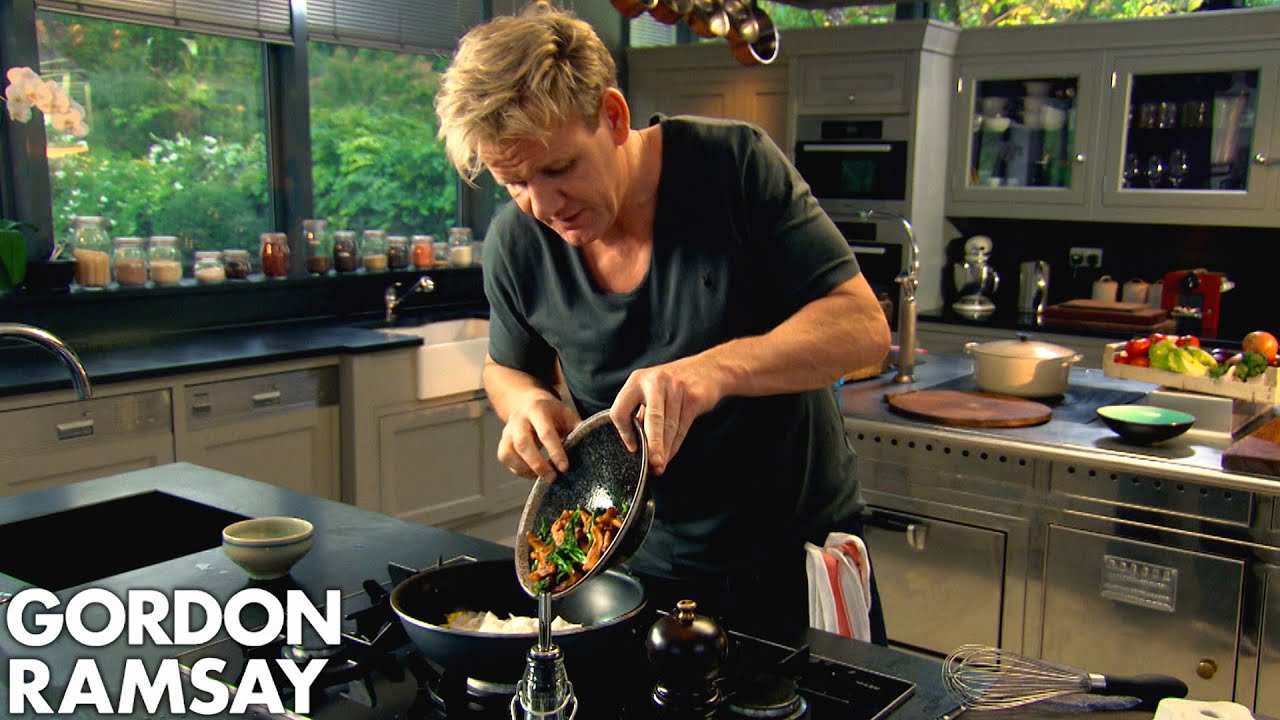
Quick & Easy Recipes With Gordon Ramsay
Look, I've watched Ramsay scream at enough line cooks to know when he's actually teaching versus just performing — and this one's legit technique work disguised as home cooking content. The man breaks down fundamentals that translate directly to your mise en place, and these "simple" recipes will tighten up your knife work faster than any culinary school demo. Strip away the TV theatrics and you've got solid kitchen education that'll make your cooks less shit.

Important Cooking Skills With Gordon Ramsay
Look, I've watched plenty of Ramsay's television theatrics, but when he strips away the cameras and just teaches knife work — filleting salmon into perfect portions, breaking down lobster clean — this is where the man actually earns his reputation. These aren't party tricks; they're the fundamentals that separate line cooks from chefs, and Ramsay demonstrates each cut with the precision of someone who's done it ten thousand times.
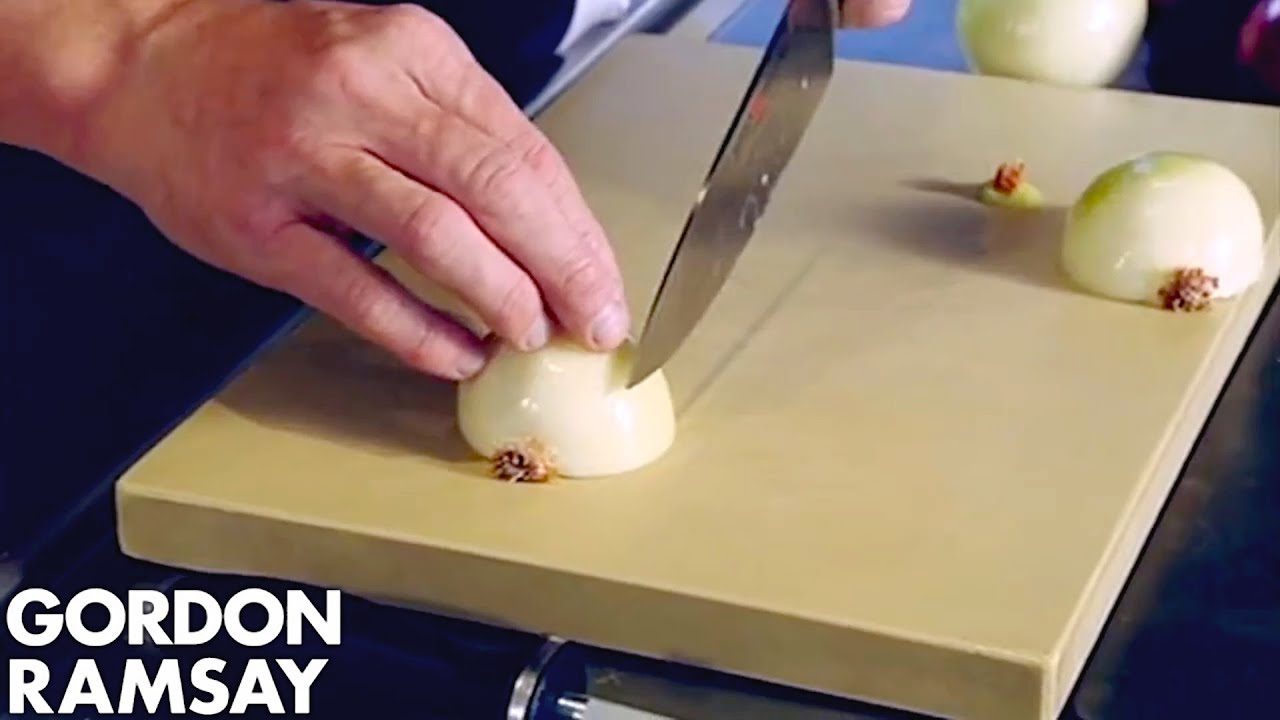
How To Master 5 Basic Cooking Skills | Gordon Ramsay
Look, I don't give a shit if you think you're too good for basics—Ramsay breaking down rice, knife work, and the fundamentals will save your ass when the tickets are flying and your prep cook just walked out. These aren't cute cooking tips for your dinner party; they're the building blocks that separate real cooks from the weekend warriors who flame out after service one.
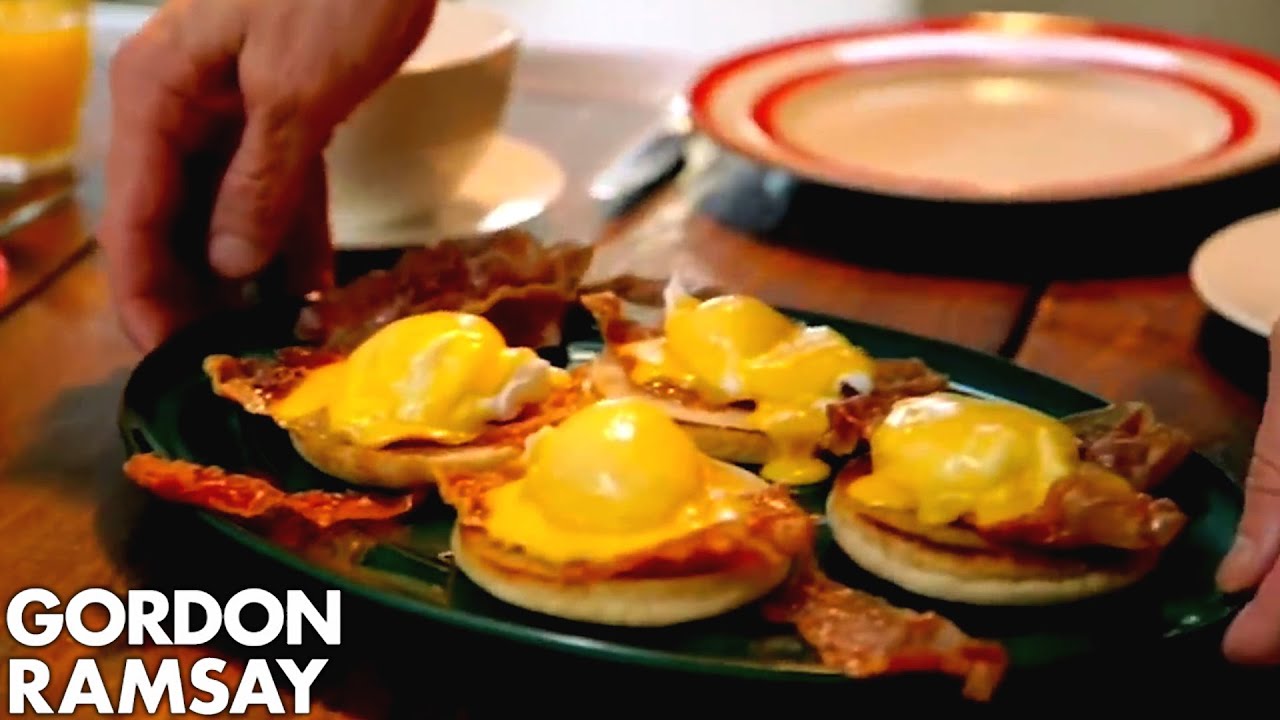
How To Cook Eggs Benedict | Gordon Ramsay
Look, I don't care if you think you know how to poach an egg — watch Ramsay break down Benedict and pay attention to his mise en place and timing. This isn't just breakfast service; it's a masterclass in managing multiple components without losing your mind during the morning rush. The man's been through enough kitchen hells to know what actually works when the tickets start flying.
A cook who can break down a case of onions in ten minutes has twenty more minutes for everything else on the prep list. After the knife: heat management. Reading a pan.
Knowing the difference between a sear and a steam. Understanding what oil temperature actually sounds like. Then plating — not as decoration, but as the final step in communicating what the dish is supposed to be.
Each skill builds on the one before it, and none of them have shortcuts.
Technique and equipment are inseparable — understanding your tools is part of executing properly. Equipment & Tools goes deeper on the gear. For the business context that makes these skills valuable, Cost Control and Menu Design show how craft translates into a menu that works financially.