Technique & Skill
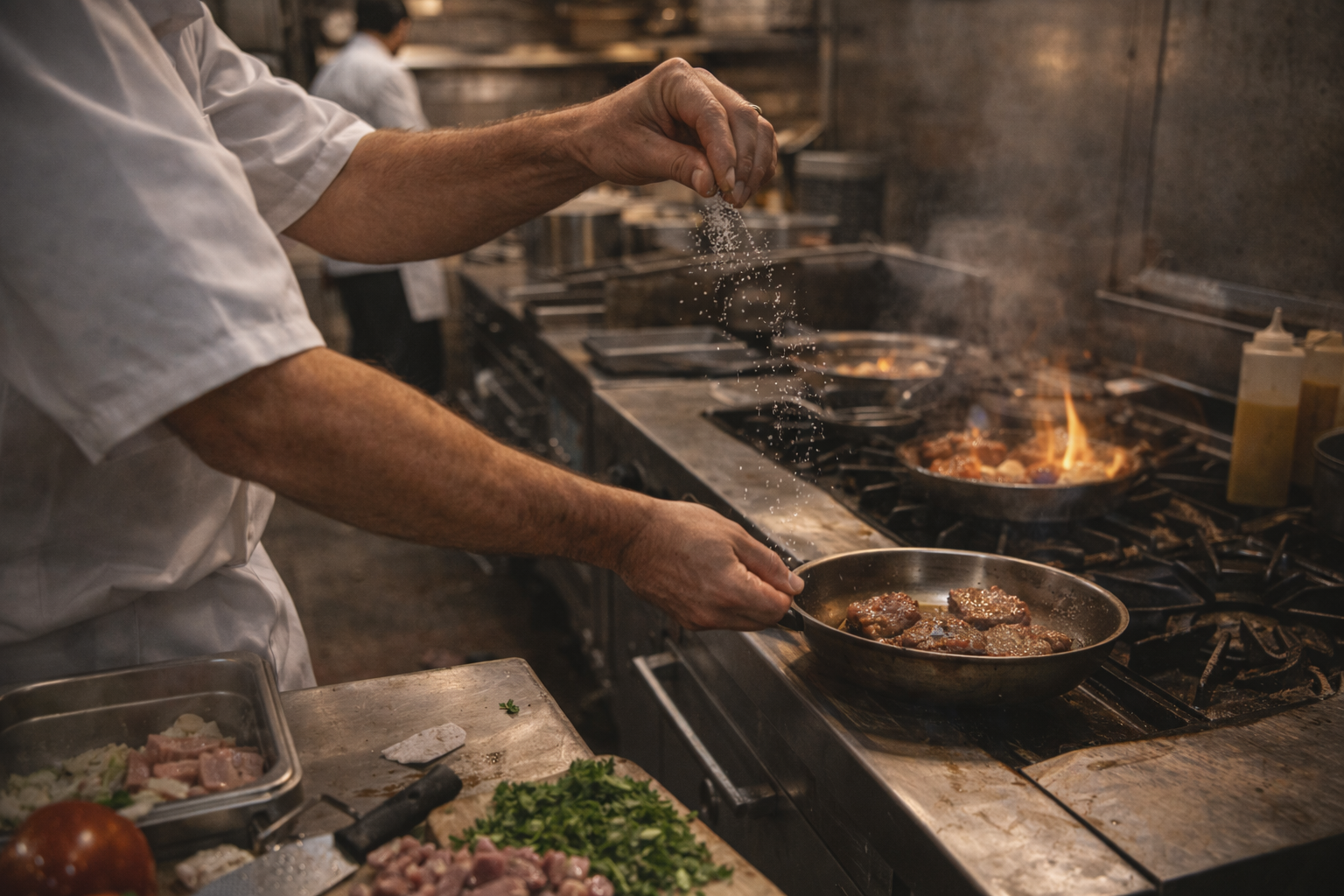
There are two kinds of cooking knowledge. There's the kind you can read — ratios, temperatures, the science of emulsification. And there's the kind that lives in your hands.
The feel of properly developed dough. The sound of a correct sear. The instinct for when a sauce is thirty seconds from breaking.
The second kind only comes from repetition, and it's what separates cooks who are capable from cooks who are good. These videos are worth watching more than once. A great demonstration of knife work isn't educational the first time — it's educational the twentieth time, when you've done the cut yourself a hundred times and can finally see the specific thing you're still getting wrong.
Why Watching Isn't the Same as Learning
A skilled cook makes everything look easy, and that's the trap. The knife glides through the onion because a thousand hours of practice found the exact grip, angle, and motion that eliminates resistance. The sauce comes together in seconds because the cook knows instinctively when the temperature is right and how much fat to add.
None of it was natural. All of it was built through deliberate practice, usually with someone standing next to them correcting their wrist angle or their pan technique. Video can't correct your wrist.
But it can show you what correct looks like, clearly and repeatedly, so that when you practice, you know what you're aiming for. Watch carefully. Practice slowly.
Watch again and find what you missed.
Why Watching Isn't the Same as Learning
A skilled cook makes everything look easy, and that's the trap. The knife glides through the onion because a thousand hours of practice found the exact grip, angle, and motion that eliminates resistance. The sauce comes together in seconds because the cook knows instinctively when the temperature is right and how much fat to add.
None of it was natural. All of it was built through deliberate practice, usually with someone standing next to them correcting their wrist angle or their pan technique. Video can't correct your wrist.
But it can show you what correct looks like, clearly and repeatedly, so that when you practice, you know what you're aiming for. Watch carefully. Practice slowly.
Watch again and find what you missed.
“A great demonstration isn't educational the first time. It's educational the twentieth.”
The Foundations Worth Practicing
427 videosVideos on knife skills, cooking fundamentals, plating techniques, and the craft behind professional cooking at every level.
9 videos tagged “Italian”

Focaccia vs Naan with Richard Bertinet and Vineet Bhatia | Meet your Maestro | BBC Maestro
Flatbread is universal. Every culture has one, and focaccia and naan are two of the finest. Bertinet dimples his with olive oil and rosemary; Bhatia slaps his against imaginary tandoor heat. Side by side, they reveal how the same impulse — flour, water, heat — produces radically different textures depending on which tradition shaped your hands.

How to make PERFECT pizza at home with Richard Bertinet | Meet your Maestro | BBC Maestro
Home pizza fails for one reason: fear of heat. Bertinet pushes the oven as high as it goes and works the dough with a confidence that comes from decades of professional baking. The result is not Neapolitan perfection — it is something more honest, a pizza shaped by a French-trained baker who cares more about flavor than geometry.

A unique squid bolognaise prepared with Pierre Koffmann | Meet Your Maestro | BBC Maestro
Squid bolognaise sounds like a mistake on a specials board. In Koffmann's hands it becomes a lesson in lateral thinking — taking the logic of a meat ragu and applying it to cephalopod. The texture is different, the timing changes, but the underlying principle holds: low heat, patience, and faith that the ingredient will yield if you give it enough time.

A bolognaise with a vegetarian twist prepped by Marco Pierre White | Meet Your Maestro | BBC Maestro
White takes his own bolognaise — a dish he has made thousands of times — and removes the meat. What remains is not a compromise. It is a rethinking. The soffritto does more work, the tomato gets more time, the seasoning shifts. Any chef dismissing plant-based cooking as a fad should watch how seriously a three-star legend treats the challenge.

Flavourful step-by-step bolognaise with Marco Pierre White | Meet Your Maestro | BBC Maestro
Most bolognaise recipes online are a fraud — a tomato sauce with mince thrown in. White strips the dish back to its architectural logic: the soffritto, the meat, the restraint with tomato, the patience. Watching him build the sauce layer by layer reveals how much of great cooking is simply understanding when not to rush. Your staff meal bolognaise will never taste the same after this.
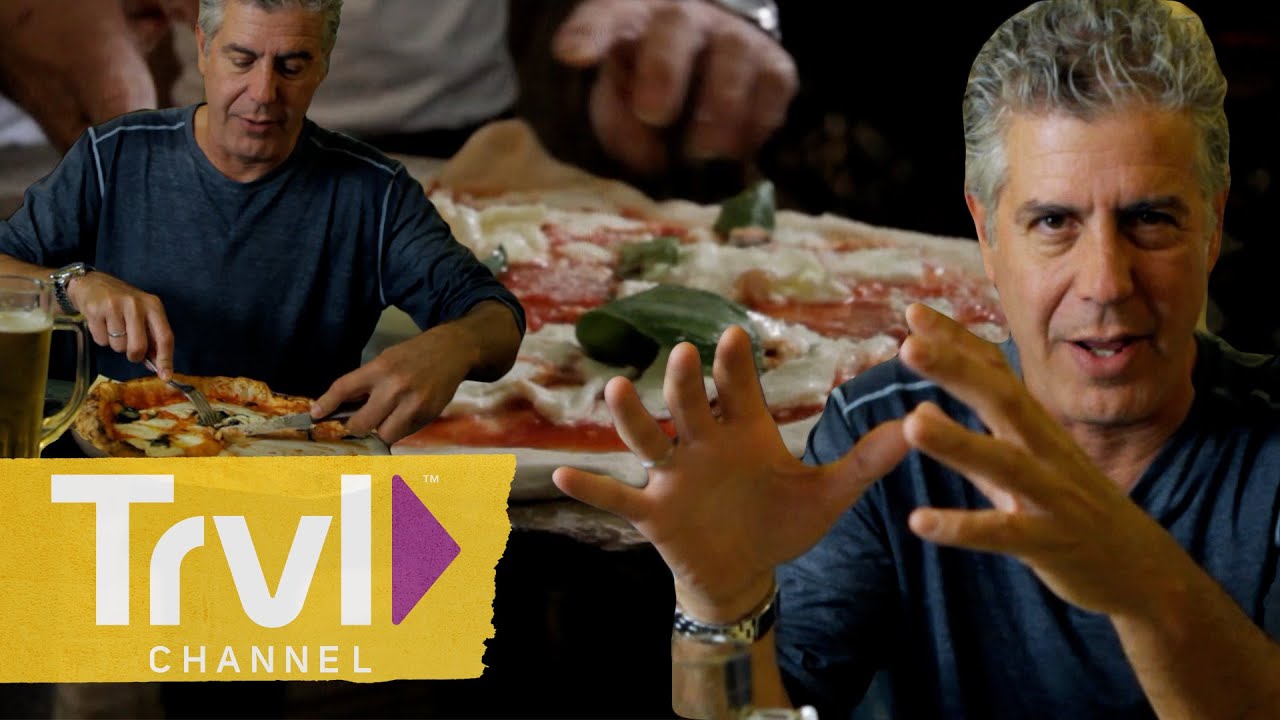
Rules to Making the PERFECT Neapolitan Pizza | Anthony Bourdain: No Reservations | Travel Channel
The rules of Neapolitan pizza aren't suggestions — they're doctrine, defended by people who take dough more seriously than most chefs take their careers. Bourdain watching a pizzaiolo work a wood-fired oven is watching someone practice a religion where flour and water are the scripture.

The secret to perfect pasta with Marco Pierre White | Meet your Maestro | BBC Maestro
Marco Pierre White talks pasta like he talks everything else — with the weight of someone who's burned through more line cooks than most kitchens see in a year. Watch his hands work the water temperature, the timing on the drop, the way he treats each strand like it matters because in his world, everything that leaves the pass carries your name. You either cook with intention or you cook with hope, and hope doesn't survive the dinner rush.

Marco Pierre White - Easy Bolognese Recipe
You've watched a thousand cooks bastardize Bolognese with their grandmother's "secret" ingredients and two-hour shortcuts. Marco strips it back to what actually matters: proper browning, patient building of flavors, and yes, that stock cube everyone pretends to be too good for. The man who taught half of London's best chefs how to cook explains why your sauce tastes like expensive ketchup. Sometimes the simplest lesson cuts deepest.
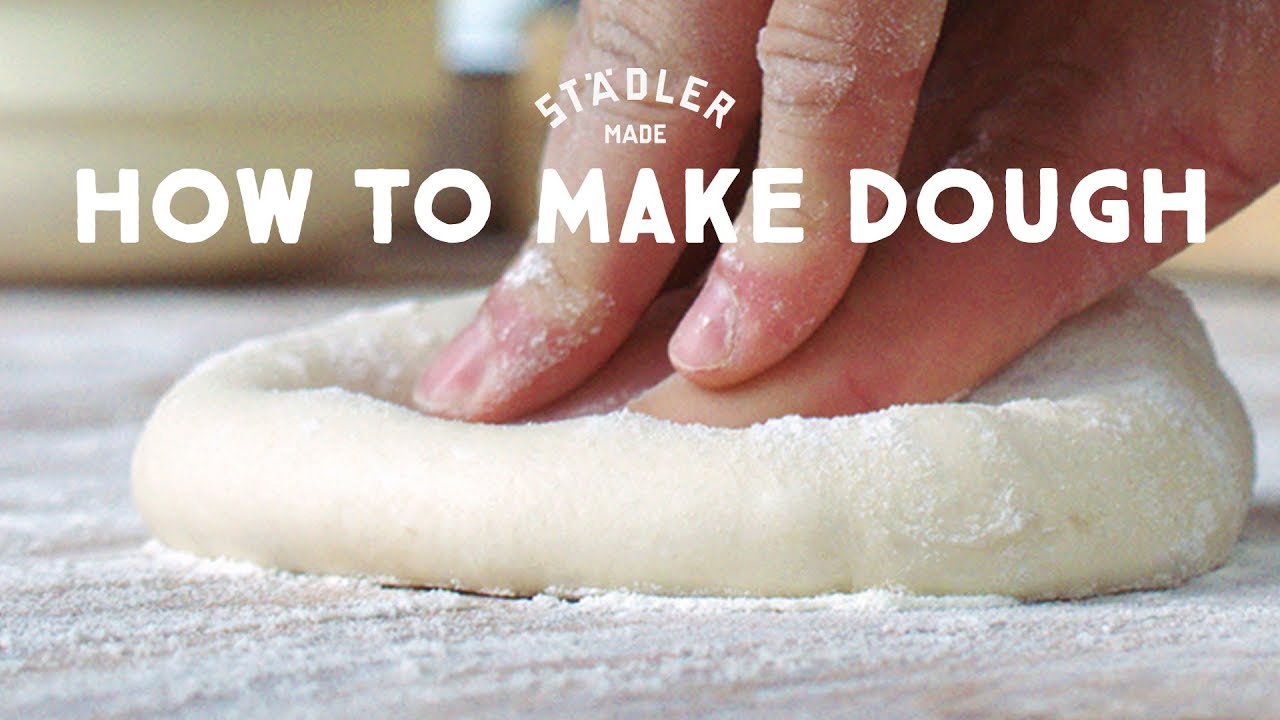
How to make Neapolitan Pizza Dough
I've watched a dozen pizza dough videos this month, and most are garbage — too much talking, not enough doing. Städler cuts through the noise and shows you exactly what your hands need to know to make dough that won't embarrass you in front of actual Italians. The fact that he gives you a timestamp to skip his own intro tells you everything about his priorities.
A cook who can break down a case of onions in ten minutes has twenty more minutes for everything else on the prep list. After the knife: heat management. Reading a pan.
Knowing the difference between a sear and a steam. Understanding what oil temperature actually sounds like. Then plating — not as decoration, but as the final step in communicating what the dish is supposed to be.
Each skill builds on the one before it, and none of them have shortcuts.
Technique and equipment are inseparable — understanding your tools is part of executing properly. Equipment & Tools goes deeper on the gear. For the business context that makes these skills valuable, Cost Control and Menu Design show how craft translates into a menu that works financially.