Technique & Skill
There are two kinds of cooking knowledge. There's the kind you can read — ratios, temperatures, the science of emulsification. And there's the kind that lives in your hands.
The feel of properly developed dough. The sound of a correct sear. The instinct for when a sauce is thirty seconds from breaking.
The second kind only comes from repetition, and it's what separates cooks who are capable from cooks who are good. These videos are worth watching more than once. A great demonstration of knife work isn't educational the first time — it's educational the twentieth time, when you've done the cut yourself a hundred times and can finally see the specific thing you're still getting wrong.
Why Watching Isn't the Same as Learning
A skilled cook makes everything look easy, and that's the trap. The knife glides through the onion because a thousand hours of practice found the exact grip, angle, and motion that eliminates resistance. The sauce comes together in seconds because the cook knows instinctively when the temperature is right and how much fat to add.
None of it was natural. All of it was built through deliberate practice, usually with someone standing next to them correcting their wrist angle or their pan technique. Video can't correct your wrist.
But it can show you what correct looks like, clearly and repeatedly, so that when you practice, you know what you're aiming for. Watch carefully. Practice slowly.
Watch again and find what you missed.
Why Watching Isn't the Same as Learning
A skilled cook makes everything look easy, and that's the trap. The knife glides through the onion because a thousand hours of practice found the exact grip, angle, and motion that eliminates resistance. The sauce comes together in seconds because the cook knows instinctively when the temperature is right and how much fat to add.
None of it was natural. All of it was built through deliberate practice, usually with someone standing next to them correcting their wrist angle or their pan technique. Video can't correct your wrist.
But it can show you what correct looks like, clearly and repeatedly, so that when you practice, you know what you're aiming for. Watch carefully. Practice slowly.
Watch again and find what you missed.
“A great demonstration isn't educational the first time. It's educational the twentieth.”
The Foundations Worth Practicing
427 videosVideos on knife skills, cooking fundamentals, plating techniques, and the craft behind professional cooking at every level.
8 videos tagged “Japanese”
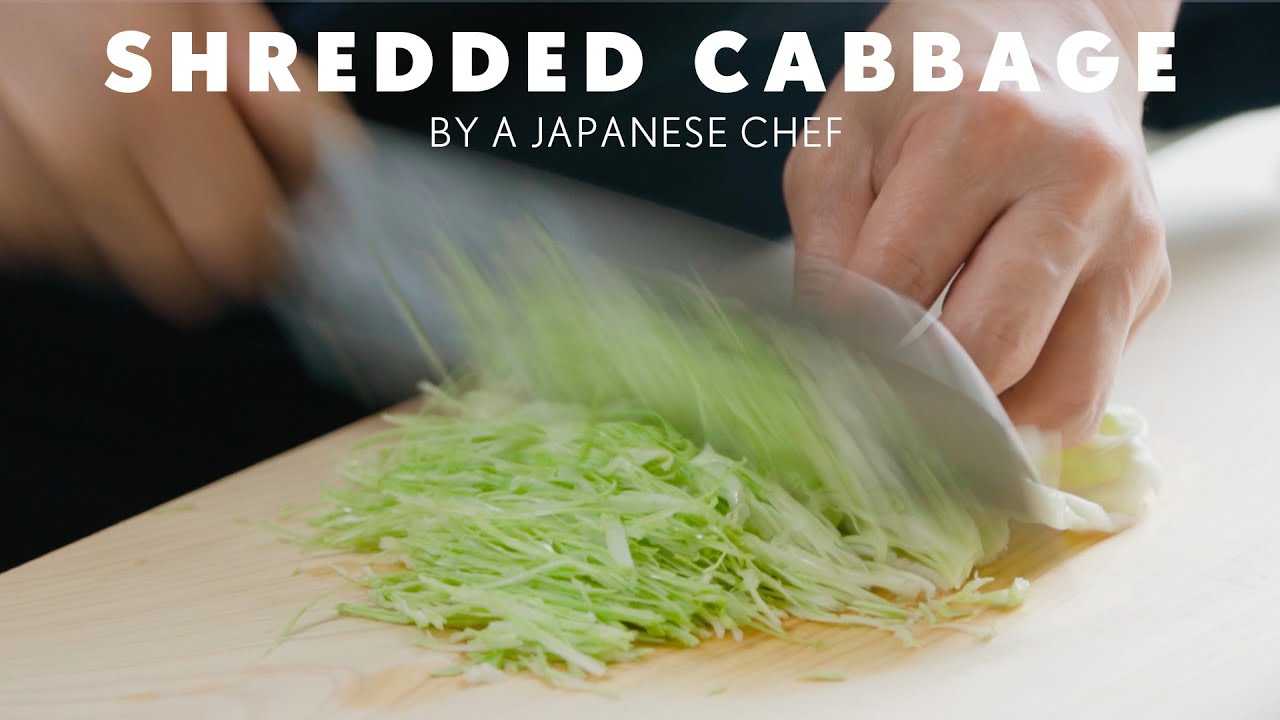
Vegetable cutting skills - How to make Shredded Cabbage By a Japanese Chef
Watch this Japanese chef work through sengiri — that paper-thin cabbage shred that takes most cooks two years to nail consistently. His knife barely whispers against the board, each stroke placing another translucent ribbon exactly where it needs to be. You can tell who's been doing this since they were fifteen by how quiet their blade work sounds.

How to Shred Vegetables Japanese Style: Carrots, Red Onion, and More!
Watch the knife work and you'll see twenty years of muscle memory made to look effortless — each shred falling uniform, the blade never pausing, never correcting. Those carrots aren't getting julienned; they're getting transformed into something that dissolves on the tongue while still holding its shape. Anyone who's tried to match Japanese knife technique knows the gap between understanding the motion and actually making it sing.

5 Knife Skills That Turn Vegetables Into Art Will Become You A Ninja | Japanese Cutting Skills
The kind of knife work that takes a decade to look effortless and another decade to make it second nature — traditional kazarigiri transforms root vegetables into geometric poetry with nothing but blade angle and muscle memory. You've seen the Instagram posts, but this is the real technique behind those perfect radish flowers and cucumber chains that separate hotel banquet work from neighborhood sushi counters. Every cut deliberate, every motion earned through thousands of hours at the prep station until your knife becomes an extension of your intention.
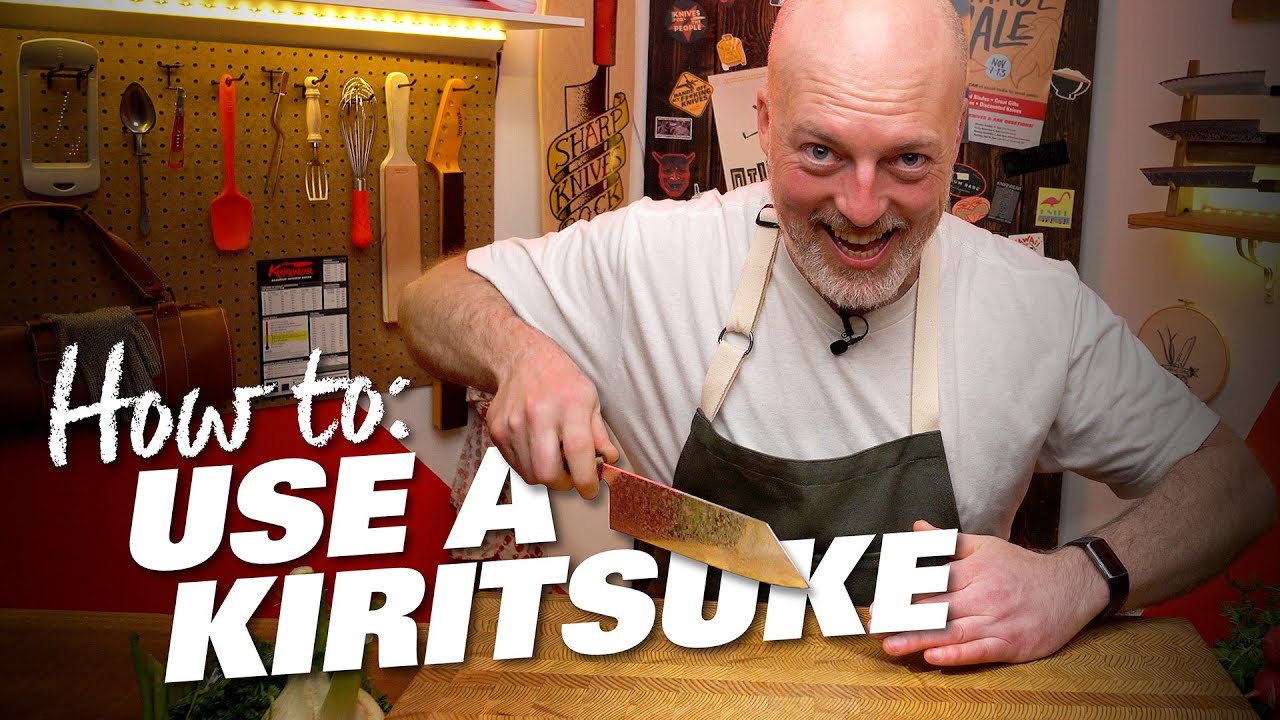
How to Use A Kiritsuke - Japanese Kitchen Knife Skills
The kiritsuke sits at that sweet spot where geometry meets years of muscle memory — long enough for your forward cuts, wide enough for the scoop, sharp enough that you stop reaching for three other knives. Anyone who's worked a station knows the difference between owning a knife and actually knowing it. This isn't about collecting pretty steel for your Instagram roll.

How to Use a Nakiri - Japanese Kitchen Knife Skills
The nakiri doesn't lie — that flat edge will show you exactly how clean your knife work really is, no hiding behind the curve of a chef's knife. You've probably watched a prep cook muscle through brunoise with the wrong blade, fighting the tool instead of working with it. This isn't about collecting Japanese steel; it's about understanding that vegetables deserve precision, and precision comes from matching technique to tool.

How to Sharpen a Knife with a Japanese Master Sharpener
Watching a master sharpener work a blade at Korin is like watching someone tune a violin — every angle matters, every stroke has thirty years of muscle memory behind it. Most of us hack away with a steel or send our knives out to die slow deaths at some strip-mall sharpening guy. This is what it looks like when someone actually knows what they're doing with your most important tool.
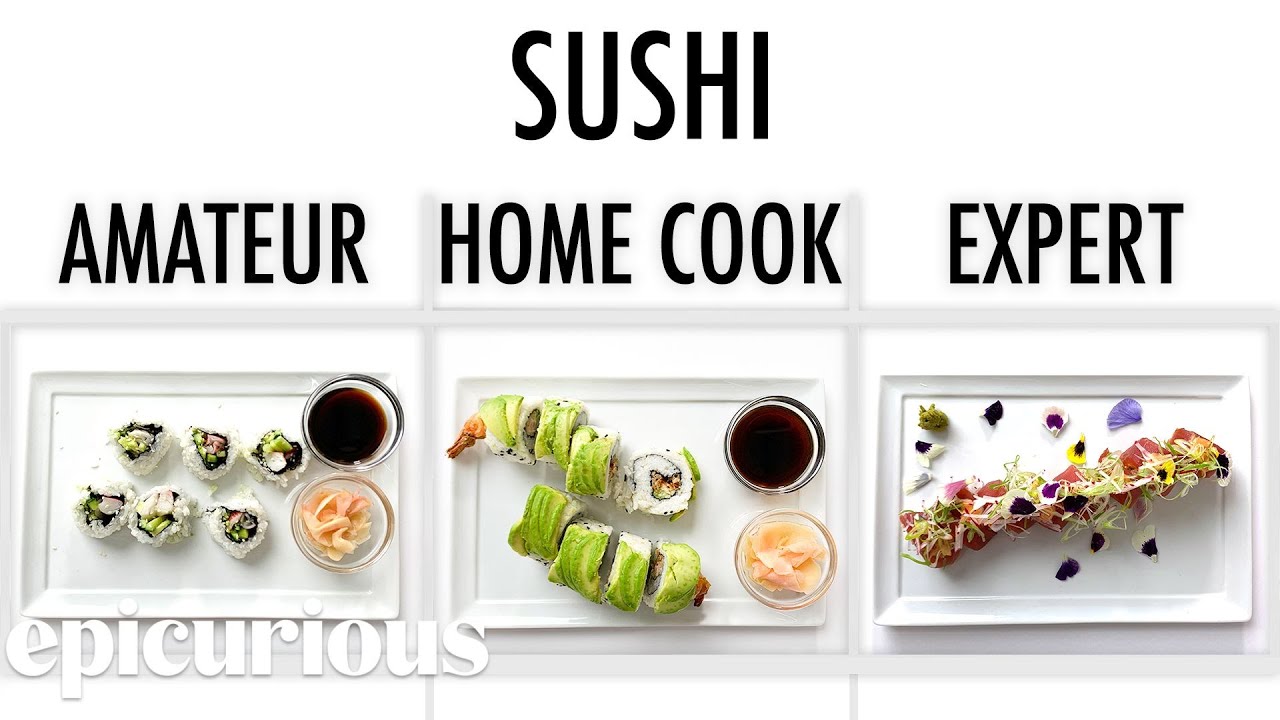
4 Levels of Sushi: Amateur to Food Scientist | Epicurious
I've watched a thousand YouTube sushi tutorials that teach you everything except how to actually make sushi. This Epicurious breakdown strips away the mystique and shows you exactly why the pro's fish prep takes twenty minutes while yours takes three — and why that difference matters more than the rice you're obsessing over.
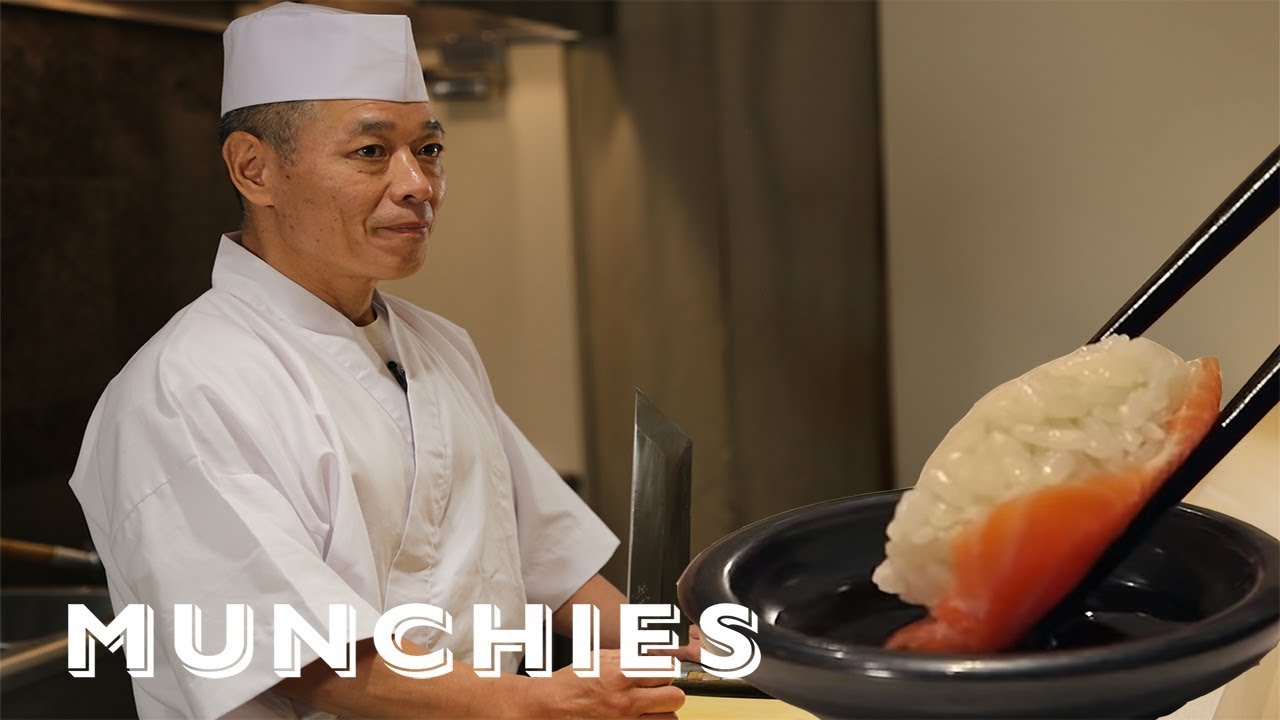
How to Eat Sushi: You've Been Doing it Wrong
Look, I've watched too many Western diners murder perfectly good sushi with their ham-fisted chopstick technique and soy sauce swimming pools. This isn't about being precious — it's about understanding that when a chef spends decades mastering their craft, the least you can do is not fuck up the eating part.
A cook who can break down a case of onions in ten minutes has twenty more minutes for everything else on the prep list. After the knife: heat management. Reading a pan.
Knowing the difference between a sear and a steam. Understanding what oil temperature actually sounds like. Then plating — not as decoration, but as the final step in communicating what the dish is supposed to be.
Each skill builds on the one before it, and none of them have shortcuts.
Technique and equipment are inseparable — understanding your tools is part of executing properly. Equipment & Tools goes deeper on the gear. For the business context that makes these skills valuable, Cost Control and Menu Design show how craft translates into a menu that works financially.