Technique & Skill
There are two kinds of cooking knowledge. There's the kind you can read — ratios, temperatures, the science of emulsification. And there's the kind that lives in your hands.
The feel of properly developed dough. The sound of a correct sear. The instinct for when a sauce is thirty seconds from breaking.
The second kind only comes from repetition, and it's what separates cooks who are capable from cooks who are good. These videos are worth watching more than once. A great demonstration of knife work isn't educational the first time — it's educational the twentieth time, when you've done the cut yourself a hundred times and can finally see the specific thing you're still getting wrong.
Why Watching Isn't the Same as Learning
A skilled cook makes everything look easy, and that's the trap. The knife glides through the onion because a thousand hours of practice found the exact grip, angle, and motion that eliminates resistance. The sauce comes together in seconds because the cook knows instinctively when the temperature is right and how much fat to add.
None of it was natural. All of it was built through deliberate practice, usually with someone standing next to them correcting their wrist angle or their pan technique. Video can't correct your wrist.
But it can show you what correct looks like, clearly and repeatedly, so that when you practice, you know what you're aiming for. Watch carefully. Practice slowly.
Watch again and find what you missed.
Why Watching Isn't the Same as Learning
A skilled cook makes everything look easy, and that's the trap. The knife glides through the onion because a thousand hours of practice found the exact grip, angle, and motion that eliminates resistance. The sauce comes together in seconds because the cook knows instinctively when the temperature is right and how much fat to add.
None of it was natural. All of it was built through deliberate practice, usually with someone standing next to them correcting their wrist angle or their pan technique. Video can't correct your wrist.
But it can show you what correct looks like, clearly and repeatedly, so that when you practice, you know what you're aiming for. Watch carefully. Practice slowly.
Watch again and find what you missed.
“A great demonstration isn't educational the first time. It's educational the twentieth.”
The Foundations Worth Practicing
427 videosVideos on knife skills, cooking fundamentals, plating techniques, and the craft behind professional cooking at every level.
58 videos tagged “Knife Skills”
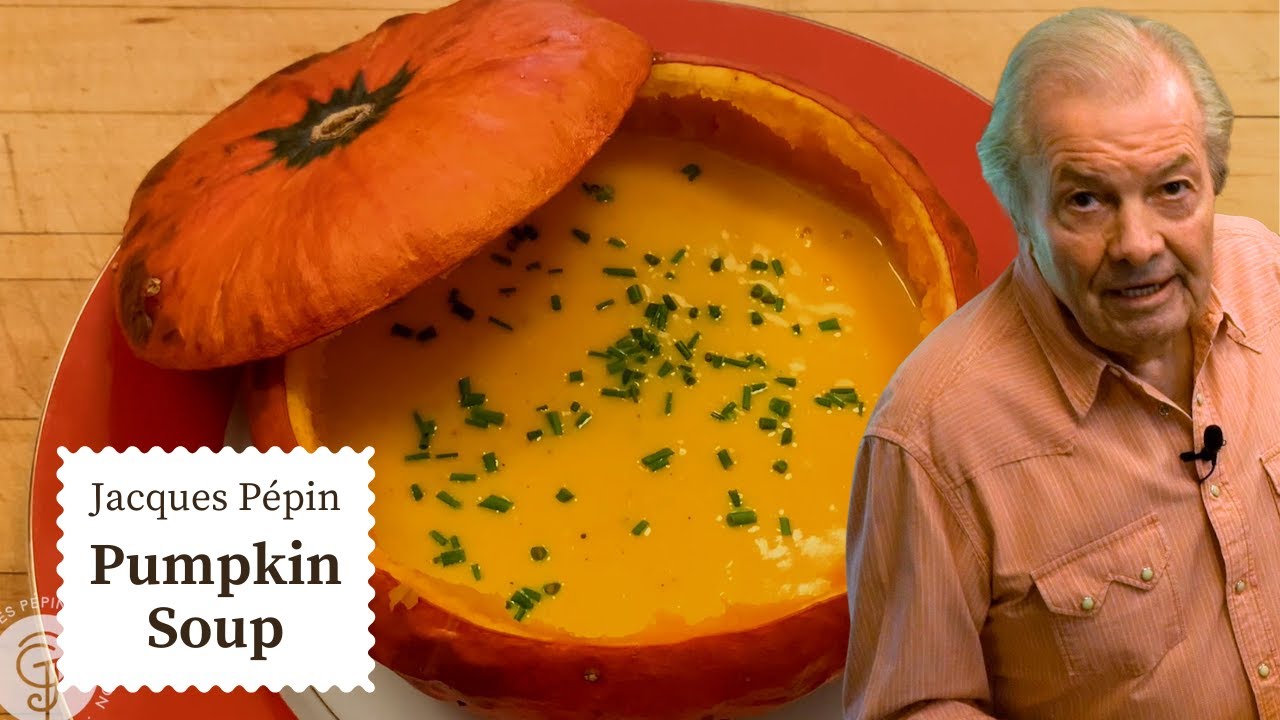
Fantastic Pumpkin Soup Recipe from Jacques Pépin | Cooking at Home | KQED
Watch Pépin work a pumpkin and you'll see forty years of knife skills distilled into muscle memory — every cut deliberate, every motion efficient, the kind of economy that only comes from doing something ten thousand times. The man builds flavor in layers you can actually taste through the screen, each step a small lecture in why shortcuts never shortcut anything that matters. You've probably made pumpkin soup before, but you haven't made it like this.

The SECRET to fresh tomato sauce with Marco Pierre White | Meet your Maestro | BBC Maestro
Marco Pierre White breaks down tomato sauce like he's teaching knife skills to a stage — no shortcuts, no Instagram flourishes, just the fundamentals that separate cooks from line warriors. You either respect the tomato's natural acid and sweetness or you end up with that cloying mess every hack tries to fix with sugar. The man who made grown chefs weep in his kitchens doesn't waste words on technique that actually matters.

Perfect pear & chocolate dessert! Fine dining pastry recipes
Jules breaks down a chocolate-pear composition that looks like it belongs on a $95 tasting menu — whiskey cream, tempered chocolate work, and the kind of plating that takes steady hands and about three years of muscle memory. You can spot a real pastry cook by how they handle chocolate: no rushing the temper, no shortcuts on the ganache, everything at proper temperature because one degree off means starting over. The pear work here isn't just pretty — it's technique disguised as art, the kind of knife skills and flavor balance that separate the weekend warriors from the people running pastry sections.
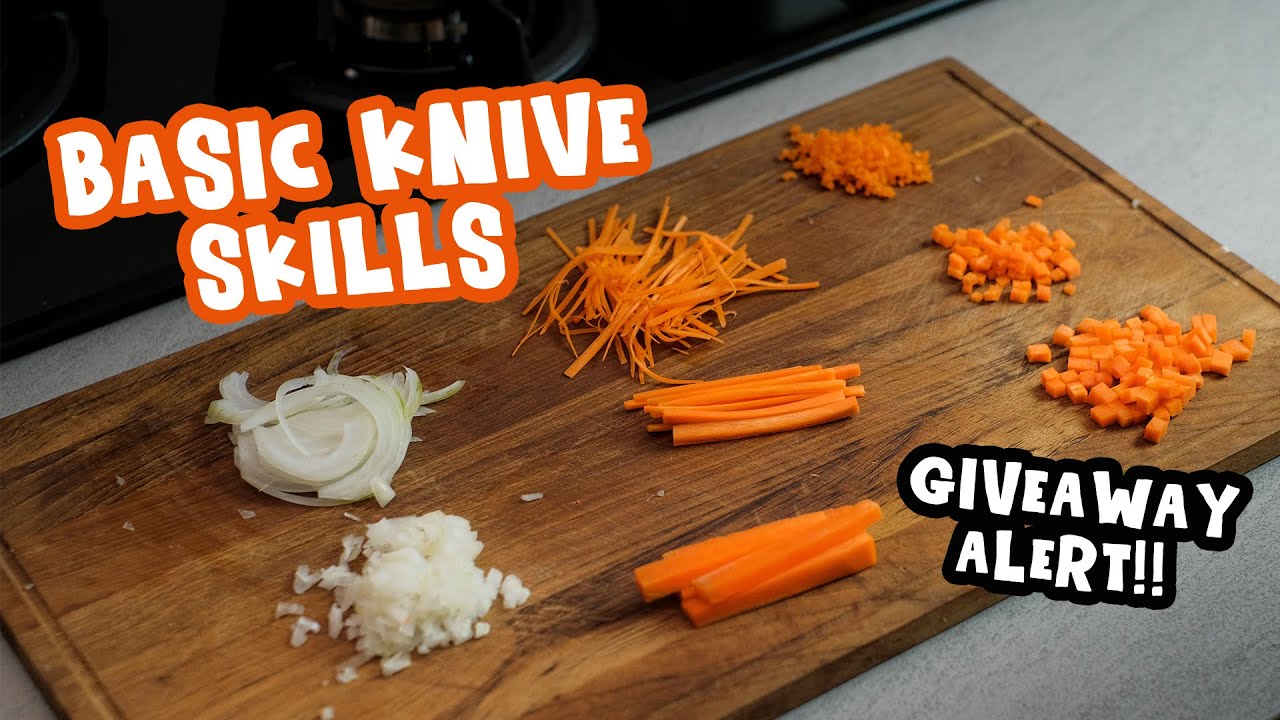
Basic Knife Skills Untuk Menjadi Seorang Chef Professional
Your knife work tells the whole story before you even touch the protein. Chef Ade breaks down the fundamentals that separate the weekend warriors from the professionals — proper grip, controlled cuts, the kind of muscle memory that only comes from breaking down cases of onions until your eyes stop watering. The difference between a cook and a chef isn't the jacket or the title, it's whether you can brunoise in your sleep.

15 types of vegetable cuts | Basic vegetable cut | knife skill with carrot #chef_hemanta
Your knife work tells the story before the first ticket prints. Chef Hemanta runs through fifteen cuts with the kind of methodical precision that separates the cook who's been doing this for years from the one still figuring out which end of the blade does what. Watch his hands — no wasted motion, no second-guessing, just clean execution that turns a single carrot into a masterclass in foundational technique. This is the work nobody sees but everyone tastes.

Chef Ranveer Brar’s Ultimate Guide to Fine Chopping | Knife Skills | Victorinox
Your brunoise either looks like dice or it looks like you gave a knife to someone having a seizure. Chef Brar breaks down the geometry of consistent cuts — hand position, blade angle, the rocking motion that separates line cooks from prep disasters. Watch his fingers bridge over the blade, never lifting the tip from the board. Twenty years of muscle memory distilled into twelve minutes of technique you can actually steal.

The Blindfolded Chef`s Crazy knife Skills
Gargone's blindfolded onion work isn't a parlor trick — it's what happens when your knife hand knows the board better than your eyes do. You build that kind of muscle memory one prep shift at a time, thousands of pounds of product flowing through the same motions until the blade finds its own path. The real lesson here isn't the blindfold. It's the unglamorous truth that perfect knife skills come from showing up and cutting vegetables until your hands remember what your brain forgets.

How to chop like a chef | Shred,Julian,Dice & Slice using a Chefs Knife Honest Kitchen
Your prep cook burns through three cases of onions before lunch, but watch their knife work and you'll see wasted motion in every stroke. Chef Bhupi breaks down the fundamentals that separate fast from efficient — the rock chop that keeps your blade tip anchored, the claw grip that saves fingertips, the way a proper julienne starts with uniform planks. This isn't flashy knife tricks for the gram. This is the muscle memory that turns a two-hour prep list into ninety minutes.
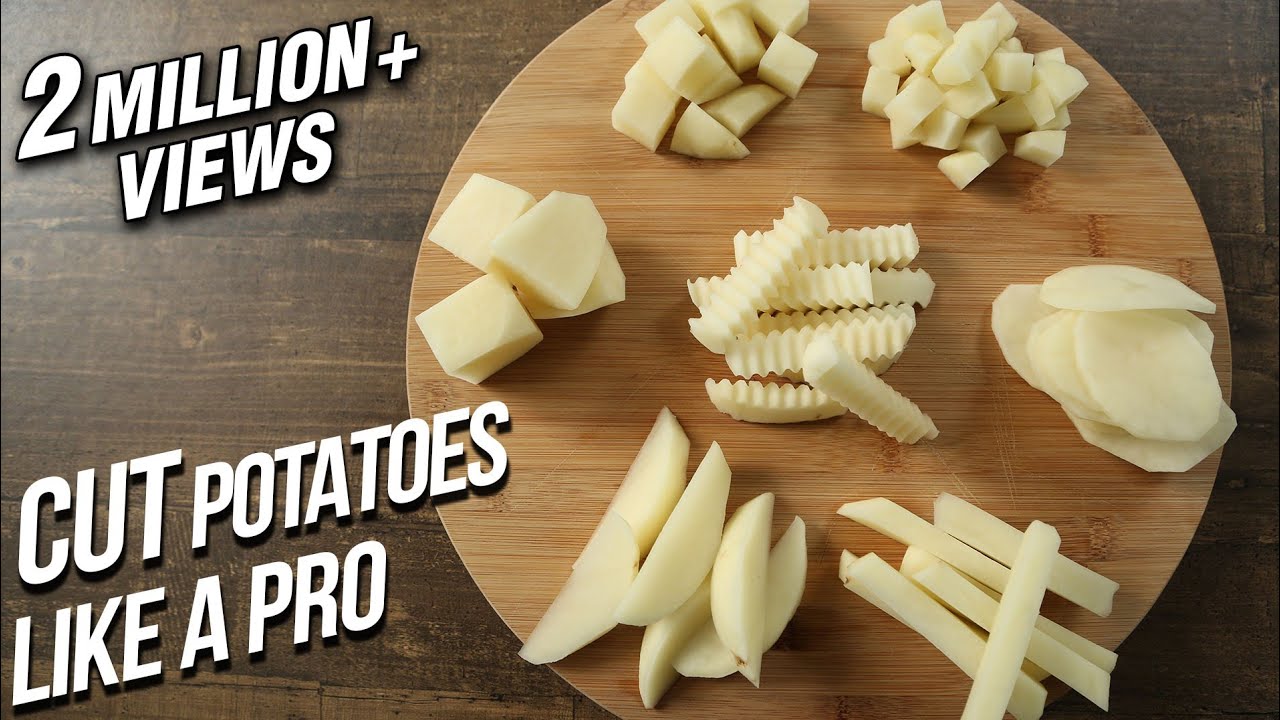
How To Cut Potatoes Like A Pro | Different Ways To Cut Potatoes | Basic Cooking
Varun Inamdar's knife work looks effortless because it is — ten thousand potatoes later, your hands just know where to go. The brunoise that takes him thirty seconds would take most home cooks five minutes and three bandages. You can spot real knife skills not in the flash but in the rhythm, the way the blade never hesitates and the cuts stay uniform even when he's talking through technique.

Knife is like a Razor in 1 minute! Intelligent knife Sharpening Technique using a Spark Plug
You've got a $300 knife that's duller than a butter spreader and the sharpening service won't be back until Thursday. This spark plug trick isn't replacing your stones or your steel, but when you're three hours into prep and that blade is dragging through onions like it's sawing through cardboard, sometimes field expedient beats proper. Anyone who's ever worked a line knows the difference between sharp enough and actually sharp.

How To Julienne Vegetables | Knife Skills | The Bombay Chef - Varun Inamdar | Basic Cooking
Your knife skills tell the whole story — shaky hands mean shaky confidence, and guests can taste the difference between precision and approximation. Varun breaks down julienne cuts like someone who's burned through ten thousand pounds of carrots, showing you the hand positions that keep your fingertips attached and your cuts uniform. Anyone who's prepped brunoise for a Saturday night service knows this isn't about looking pretty on camera.

Knife Skills: Basic Vegetable Cut's - Vegetables Cutting Techniques|How To Cut Vegetables Like AChef
Your knife work tells the story of every shift you've ever worked — the wobbly brunoise from your first week, the muscle memory that kicks in during a dinner rush when you're cutting mire without looking. This breakdown covers the fundamentals that separate someone who cooks from someone who works the line: consistent julienne, proper brunoise, dice that actually match. The difference between a two-minute prep task and a ten-minute struggle lives entirely in your blade angle and finger placement.
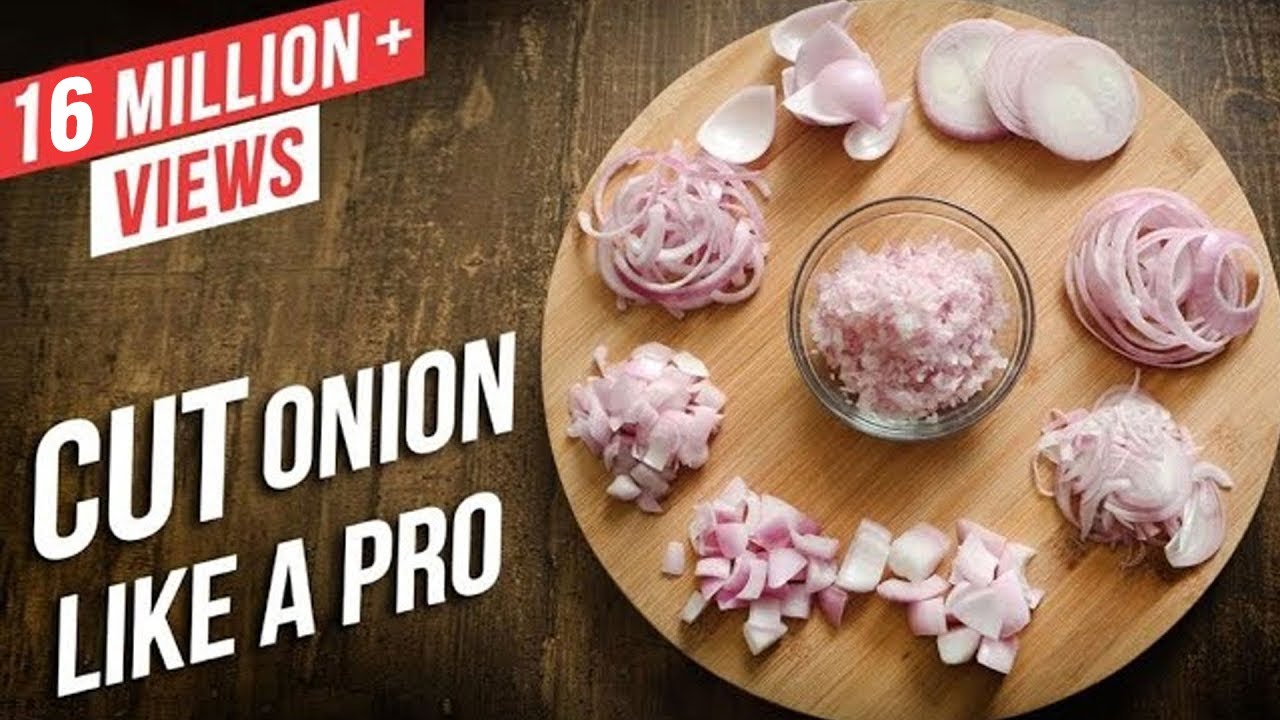
How To Cut Onions Like A Pro | Different Ways To Chop An Onion | Basic Cooking
Chef Varun Inamdar breaks down the geometry of onion work — the cuts that separate a cook from someone who just owns knives. You can spot a real cook by their brunoise: uniform, efficient, no tears. The difference between rough chop and proper dice isn't just aesthetics when you're pushing 200 covers and everything needs to cook evenly.

How to Cut Onions for Smash Burgers | Fine Julienne Technique + What Not to Do
Your knife work on onions tells the whole story — the difference between someone who's put in their hours and someone still fighting their blade. This breakdown of fine julienne technique isn't just about smash burgers; it's about understanding that the cut determines the cook, and sloppy knife work means sloppy results on the flattop. You either respect the fundamentals or you don't.

13 Basic Cucumber Cuts | All Cutting Styles & Knife Skills
Chef Hemanta runs through thirteen cucumber cuts with the kind of steady precision that only comes from doing this exact motion ten thousand times before. You watch his knife work and immediately know — this is someone who's broken down cases of vegetables in the dead space between lunch and dinner, muscle memory carved into every angle. The cuts progress from basic to complex, each one building toward the kind of knife skills that separate the prep cooks from the line cooks. Anyone who's ever had to brunoise two cases of mirepoix in twenty minutes knows exactly why this matters.

“15 Essential French Vegetable Cuts Every Chef Should Know | Knife Skills Masterclass”
Fifteen cuts that separate the cooks who learned on YouTube from the ones who earned their burns under a French chef who'd fire you for a brunoise that looked like dice. You either know the difference between a julienne and a batonnet, or you're that extern who just called everything "chopped fine." The knife work here isn't Instagram pretty — it's the foundation that lets you move fast when the rail fills up and there's no time to think about your hands.

How To MAINTAIN YOUR KNIVES Like A PRO CHEF | Ultimate KNIFE CARE Guide | Dalstrong
Your knife is the only tool that follows you from station to station, kitchen to kitchen, job to job — and most cooks treat it like a rental car. Dalstrong breaks down the maintenance that separates professionals from weekend warriors: proper honing angles, when to sharpen versus when to hone, and why that crusty old chef always kept his blade sharper than his tongue. Twenty minutes of care can save you twenty shifts of fighting dull steel.
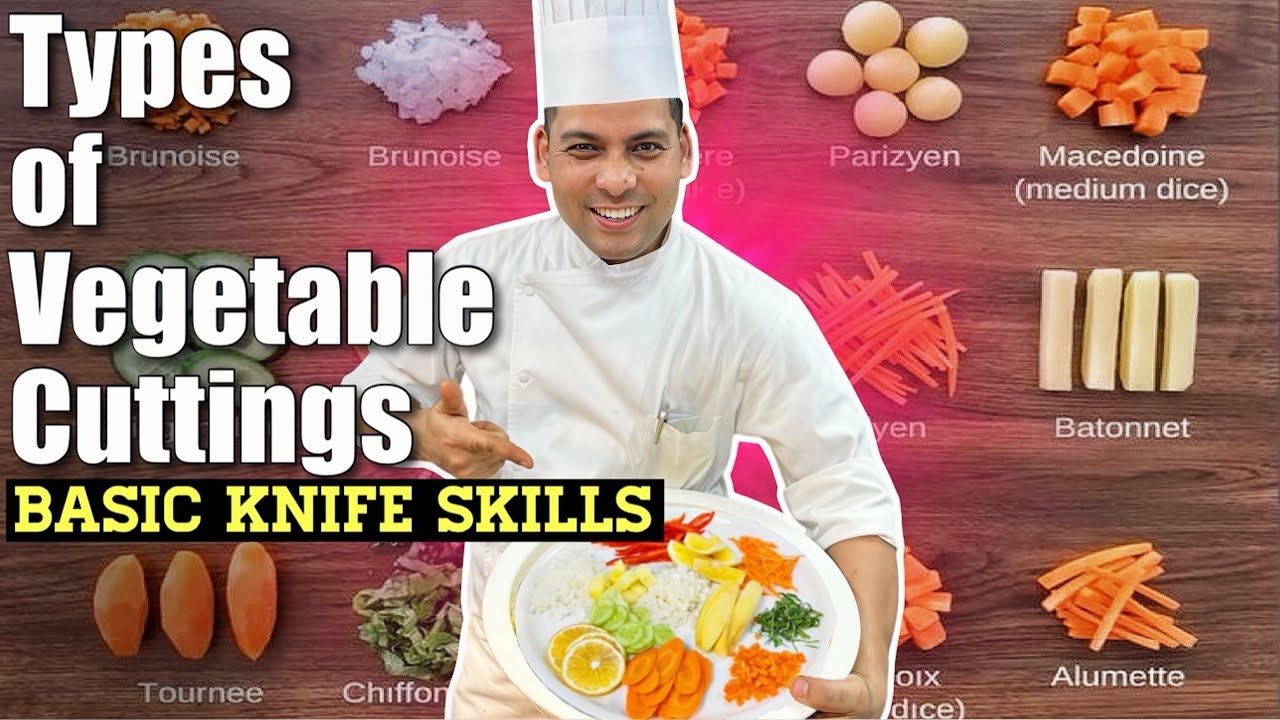
Best Knife Skills for vegetables cuttings : Types of vegetable cutting : Desivloger
Your knife cuts tell the story of every shift you've worked — the crooked brunoise from your first week, the muscle memory that finally kicks in after month six, the perfect julienne that happens without thinking after year two. This breakdown covers the fundamentals that separate the prep cooks who last from the ones who don't: consistent dice, proper grip, the blade work that keeps your mise tight and your fingers attached. The difference between chopping and cutting isn't just technique — it's respect for the ingredient and the time it takes to get there.

Knife Skills: How to chop like a chef | Jamie Oliver
Oliver's been doing this longer than most of your line cooks have been alive, and it shows in how he breaks down the fundamentals — proper claw grip, knife angle, the rhythm that comes from muscle memory built over decades. You can spot someone who learned to chop from YouTube versus someone who did it for real: watch their wrist position when they're three hours deep into prep. The technique here isn't flashy, just correct.
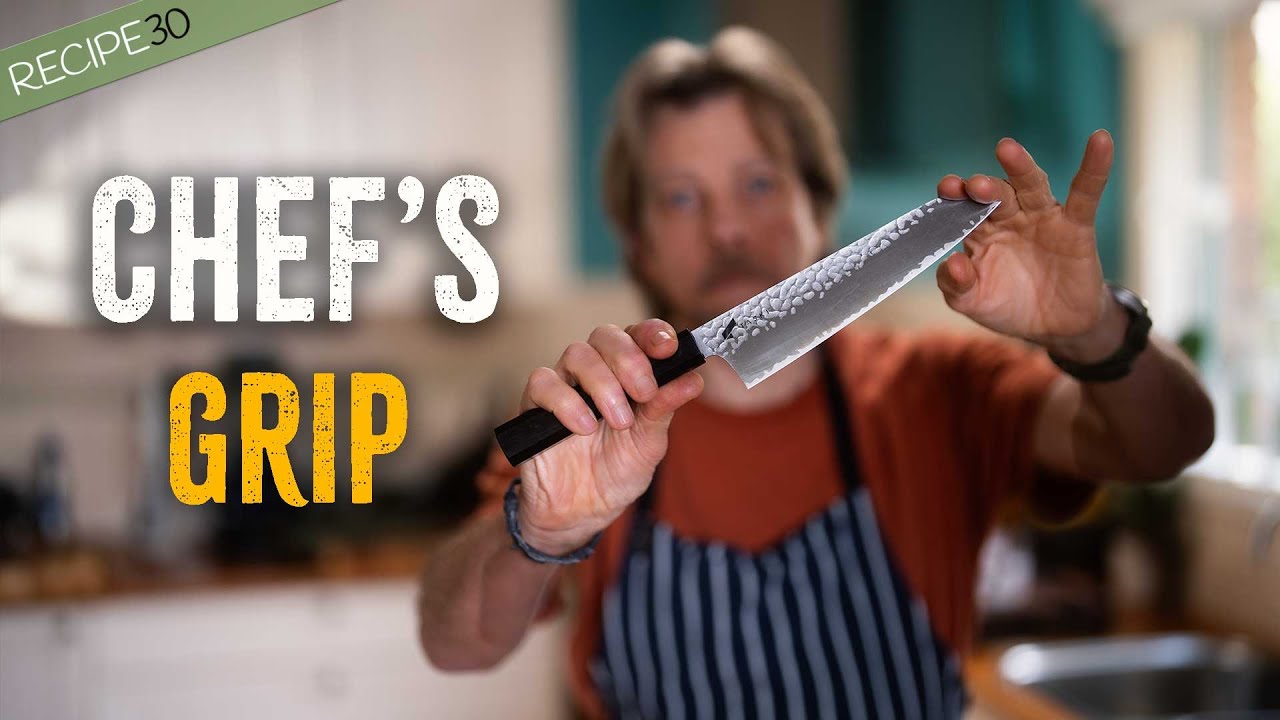
Basic Knife Skills: How to Chop 3x Faster (Pro Chef Tips for Home Cooks)
Most home cook knife videos are Instagram nonsense — flash cuts hiding terrible form and dull blades. This one actually breaks down the mechanics: proper claw grip, consistent rock motion, blade angle maintenance. You can tell Recipe30 has worked a real line by how they handle transitions between cuts, never lifting the knife tip, keeping the rhythm steady even when demonstrating. Anyone who's prepped fifty pounds of mirepoix knows that speed without precision just gets you sent home.

I doubled my chopping speed in 2 days... here's how.
Speed comes from efficiency, not aggression — and Charlie Anderson breaks down the mechanics that separate the weekend warriors from the professionals who've been running mise for years. You can watch a thousand knife skill videos, but this one actually maps the hand positions and cutting angles that let you work clean at pace without sending yourself to the ER. The difference between chopping fast and chopping right is about three stitches and a workers' comp claim.

Master Your Santoku - Knife Skills for Beginners
The santoku isn't just a shorter chef's knife — it's built for the rock-chop rhythm that keeps your board clean and your cuts consistent through a long prep shift. Knifewear breaks down the grip, the angle, the way your knuckles should guide the blade without thinking about it. Anyone who's watched a prep cook burn through cases of onions knows that technique beats speed every time.

Michelin Techniques for Knife Skills
Parker Hallberg breaks down the knife work that separates line cooks from real cooks — the kind of blade control that lets you brunoise a shallot without looking, where every cut lands exactly where you want it. You can feel the years of muscle memory in how he holds the steel, the way his knuckles guide without hesitation. This isn't flashy Instagram knife tricks. This is the foundation work that makes everything else possible.

Basic Knife Skills - How to Chop like a Chef
Albert Yang breaks down knife work like someone who's actually stood on the line for years, not like a YouTube chef chasing views. Watch his hands — the slight rock of the blade, the way his knuckles guide without flinching, the rhythm that only comes from breaking down cases of onions at 5 AM. You can teach someone to hold a knife in five minutes, but this is what 10,000 hours of prep shifts looks like.
A cook who can break down a case of onions in ten minutes has twenty more minutes for everything else on the prep list. After the knife: heat management. Reading a pan.
Knowing the difference between a sear and a steam. Understanding what oil temperature actually sounds like. Then plating — not as decoration, but as the final step in communicating what the dish is supposed to be.
Each skill builds on the one before it, and none of them have shortcuts.
Technique and equipment are inseparable — understanding your tools is part of executing properly. Equipment & Tools goes deeper on the gear. For the business context that makes these skills valuable, Cost Control and Menu Design show how craft translates into a menu that works financially.