Underdogs & Origins
Nobody starts a restaurant because it's the rational thing to do. The hours are insane. The failure rate is brutal.
The money, especially in the beginning, is almost always terrible. People open restaurants because something in them won't let them do anything else. These are the stories of people who started with less than nothing — a food truck and a prayer, a family recipe and a borrowed kitchen, an immigrant's knowledge of a cuisine that nobody in their new city had tasted yet — and built something real.
Not all of them became famous. Not all of them got rich. But all of them made the bet, and watching how they did it is the kind of thing that either confirms you're in the right business or warns you that you're not.
The Part Nobody Talks About
The origin stories that get told publicly are usually the cleaned-up versions. The food truck that became a restaurant, the popup that became permanent, the chef who went from washing dishes to running the pass. What gets left out is the middle part — the eighteen months of working two jobs to save the deposit.
The family loan that created tension for years. The early days when you couldn't afford to hire enough people and cooked every shift yourself until your body started breaking down. The doubt that shows up at 3 AM when you're prepping for tomorrow and wondering if anyone is going to walk through the door.
That's the real origin story. It's not cinematic. It's just endurance.
The Part Nobody Talks About
The origin stories that get told publicly are usually the cleaned-up versions. The food truck that became a restaurant, the popup that became permanent, the chef who went from washing dishes to running the pass. What gets left out is the middle part — the eighteen months of working two jobs to save the deposit.
The family loan that created tension for years. The early days when you couldn't afford to hire enough people and cooked every shift yourself until your body started breaking down. The doubt that shows up at 3 AM when you're prepping for tomorrow and wondering if anyone is going to walk through the door.
That's the real origin story. It's not cinematic. It's just endurance.
“Nobody starts a restaurant because it's the rational thing to do.”
How They Built It
127 videosStories of chefs, operators, and food entrepreneurs who started from scratch — food truck to restaurant, home kitchen to commercial, immigrant traditions to new audiences, and every path in between.
3 videos tagged “Japanese”

Nikkei: Peruvian-Japanese Cuisine
Worth watching for anyone in the kitchen game. Munchies brings real perspective here.
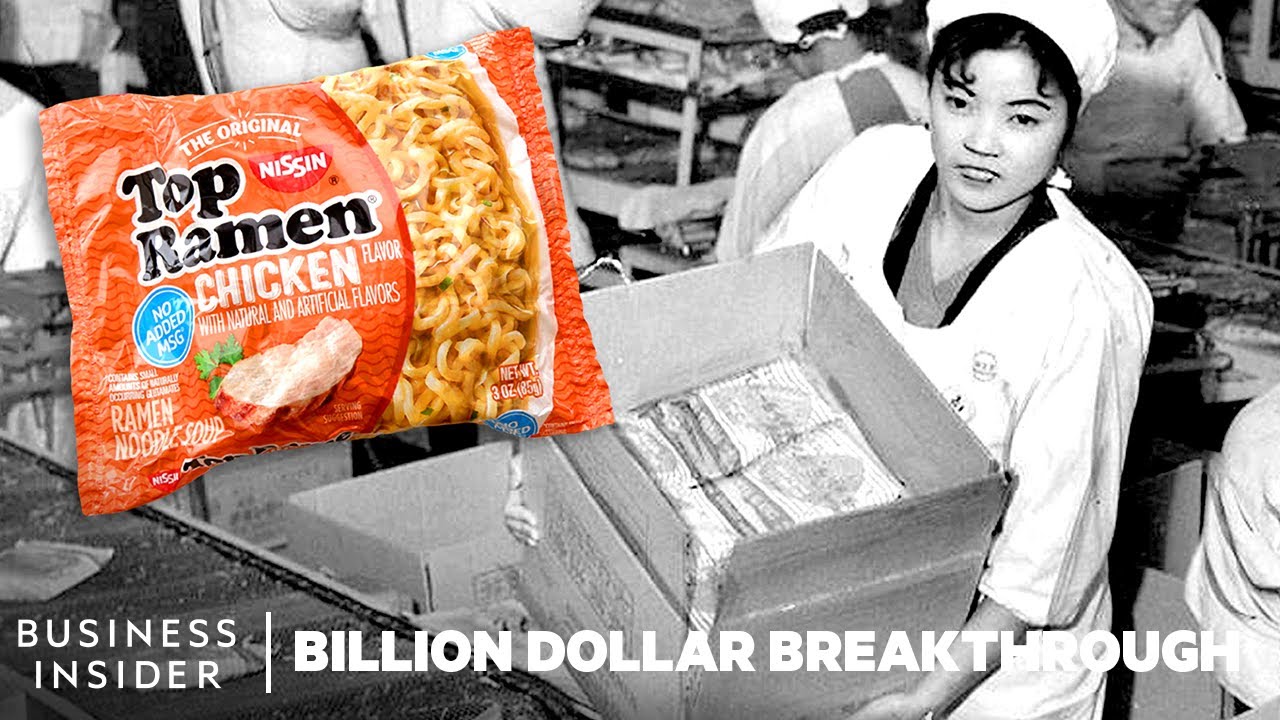
How Instant Ramen Became An Instant Success | Billion Dollar Breakthrough
I've lived through more ramen-fueled kitchen shifts than I care to count, and this breaks down how Momofuku Ando turned desperation into a $40 billion empire with nothing but wheat flour and stubborn genius. The man literally invented flash-frying noodles in his backyard shed because he was pissed off about hunger — that's the kind of obsessive problem-solving that built every great food business. Every chef grinding through another double should know this story.

What Owning a Ramen Restaurant in Japan is Like
I've watched enough Western operators struggle with efficiency, and this is what you need to see — real Japanese ramen shop workflow stripped down to its brutal, beautiful essentials. The systems these guys run would make your mise en place weep with envy. Every move calculated, every second accounted for, because in Japan you don't survive on hype — you survive on speed and consistency.
The willingness to do the same thing, at the same level, day after day, when nobody is watching and nobody cares yet. The food truck operator who showed up at the same corner every morning for two years before anyone noticed. The immigrant chef who cooked the food of their country for a neighborhood that didn't know it needed it yet.
That persistence isn't teachable. But seeing it modeled is worth something.
These stories are the emotional foundation of everything else on this site. Cost Control and Kitchen Systems are the operational skills that turn a passion into a surviving business.