
Prudent Reviews
Featured CreatorIn-depth reviews, comparisons, and product guides for kitchen equipment and home products. Carefully researched and completely unbiased.
Most equipment reviews are written by people who've never worked a double. Prudent Reviews is the exception — methodical, obsessive testing of the tools that live in your kitchen, from commercial ranges to the knife set that'll survive ten thousand covers. Nineteen videos here, and each one answers the question every chef asks before spending money: does this thing actually work when it matters, or is it just pretty on the shelf? No sponsorship fluff, no affiliate-first recommendations. Just the data.
— LineCheck EditorialEditor's Picks
Equipment & Tools
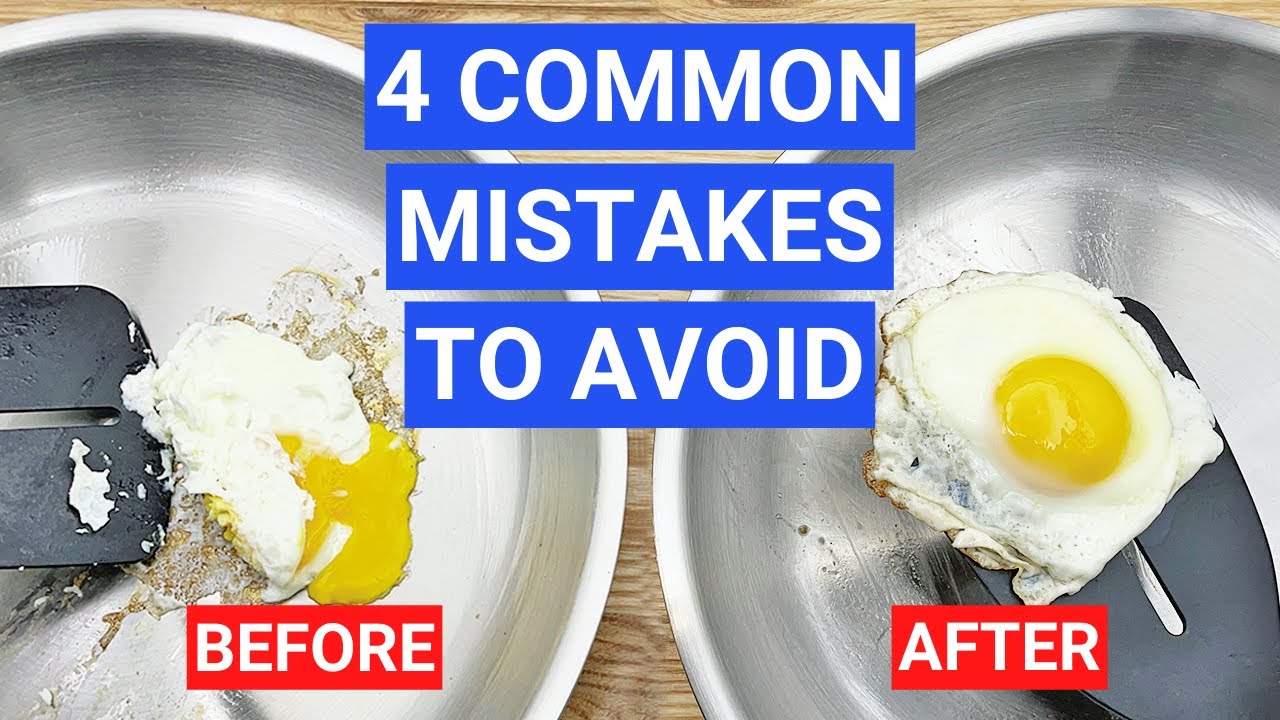
Food Sticking to Stainless Steel Pans? 4 Common Mistakes to Avoid
I spent years watching line cooks blame their pans for shitty technique, when the real problem was never learning the fundamentals of heat control and timing. This breaks down the four rookie mistakes that separate the pros from the pretenders — and once you nail these basics, your stainless steel will perform like the workhorse it's meant to be.

HexClad Cookware Review: The Truth About Gordon Ramsay’s Favorite Pans
You've watched celebrity chefs hawk everything from knife sets to air fryers, but when someone's actually breaking down whether a pan performs under real heat, that matters. HexClad's hexagon surface promises nonstick ease with stainless steel browning — sounds like marketing until you need to flip 200 covers on equipment that actually holds up. The real test isn't what Gordon says about them, it's whether they'll still release a clean omelet after six months on the line.

I Tested 27 Chef's Knives, These Are the Best & Worst
Twenty-seven knives, one cutting board, and the kind of methodical testing that separates real advice from YouTube noise. You can tell within the first few cuts who's actually broken down a case of onions at 6 AM and who's just reading spec sheets. The blade that feels perfect in a store display might turn into dead weight by hour six of prep. Anyone who's ever had their knife roll stolen knows exactly why this kind of honest comparison matters.
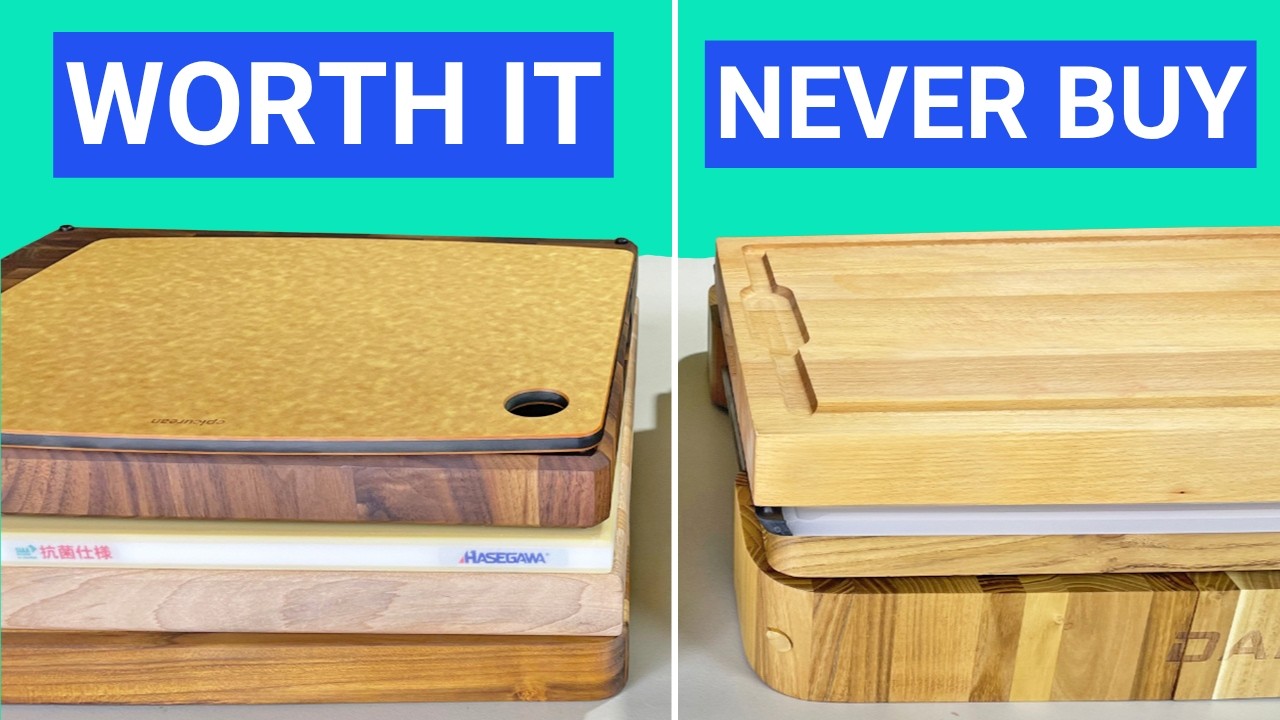
The Best (And Worst) Cutting Boards
Your knife is only as good as what's underneath it, and after ten thousand hours of prep work, you know the difference between a board that works and one that fights you. This guy actually tests the things that matter — edge retention, slip resistance, how they hold up when you're breaking down cases of protein at 6 AM. The plastic versus wood debate finally gets settled by someone who understands that your cutting surface isn't décor, it's the foundation of every dish that leaves your kitchen.
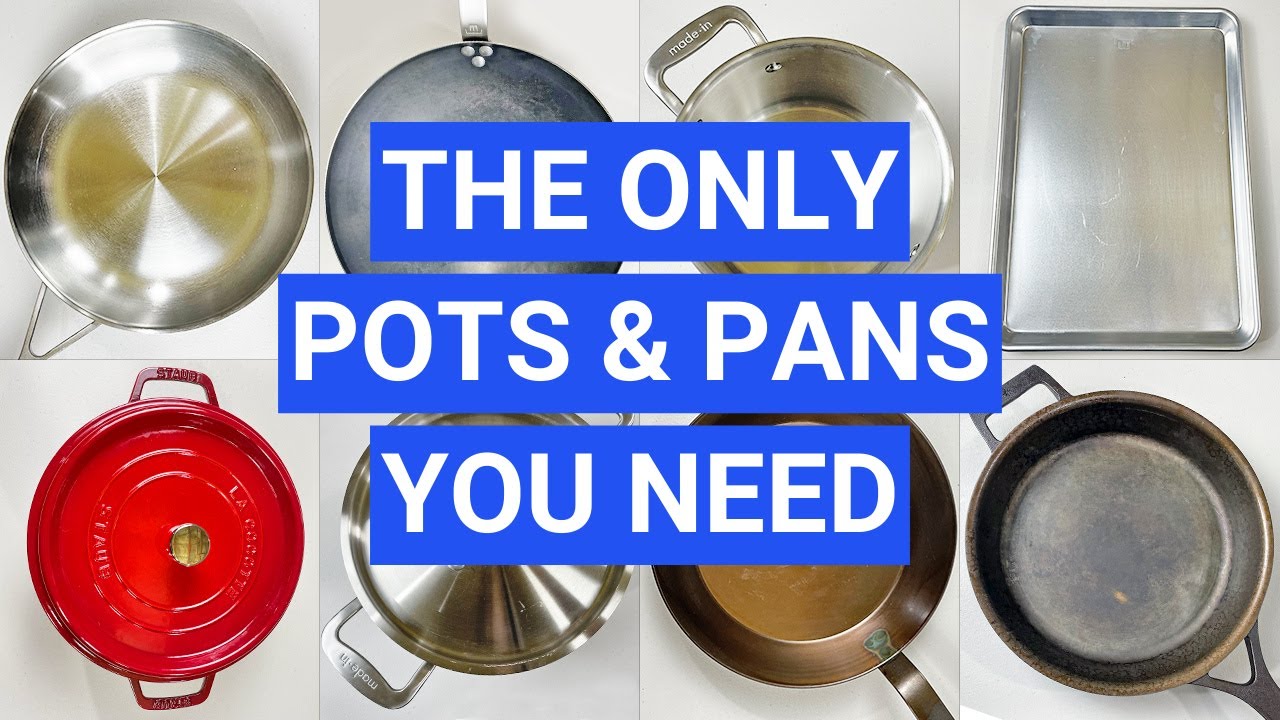
Cookware Essentials: 9 Pots & Pans You Need (and 4 You Don’t)
You can tell who's actually cooked by how they talk about pans — it's not about having thirteen different sizes, it's about knowing exactly what each piece of steel can do under pressure. This breakdown cuts through the gear worship to focus on what actually earns its real estate on your station: the workhorse sauté pan that takes the daily beating, the heavy-bottomed stock pot that won't scorch your mother sauces, the cast iron that goes oven-to-range without missing a beat. Anyone who's ever had to work a full menu with three functioning burners and a prayer knows that fewer, better tools beat a drawer full of specialized garbage every time.

Don’t Buy a Knife Set! These Are the Only 2 Knives You Need
Your knife roll tells a story — the beat-up Wusthof that's been sharpened down to nothing, the specialty blade you bought for one dish and never touched again, the house knives that disappeared into someone's kit. This guy cuts through the noise with something most cooks learn the hard way: you can break down a side of beef or brunoise a case of shallots with just a chef's knife and a paring knife, provided they're sharp and you know how to use them. Everything else is just steel you have to maintain.
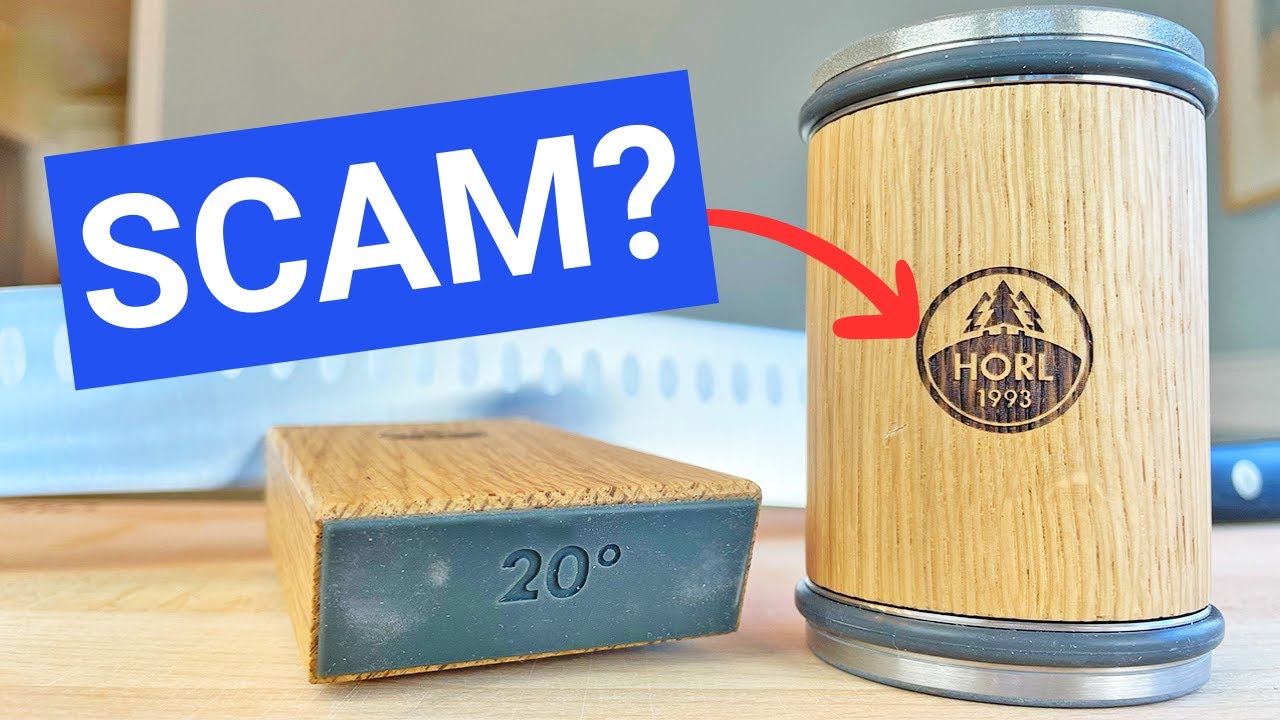
Is the Horl Knife Sharpener a Scam? My Brutally Honest Review
A sharp knife is the difference between precision and chaos on the line, but most sharpening gadgets are solutions looking for problems that don't exist. This breakdown cuts through the marketing noise to test whether the Horl actually delivers what your steel and stone already do — because when you're prepping 40 pounds of brunoise before service, technique matters more than gadgets. Anyone who's watched a new cook struggle with a dull blade knows there's no shortcut to proper edge maintenance.
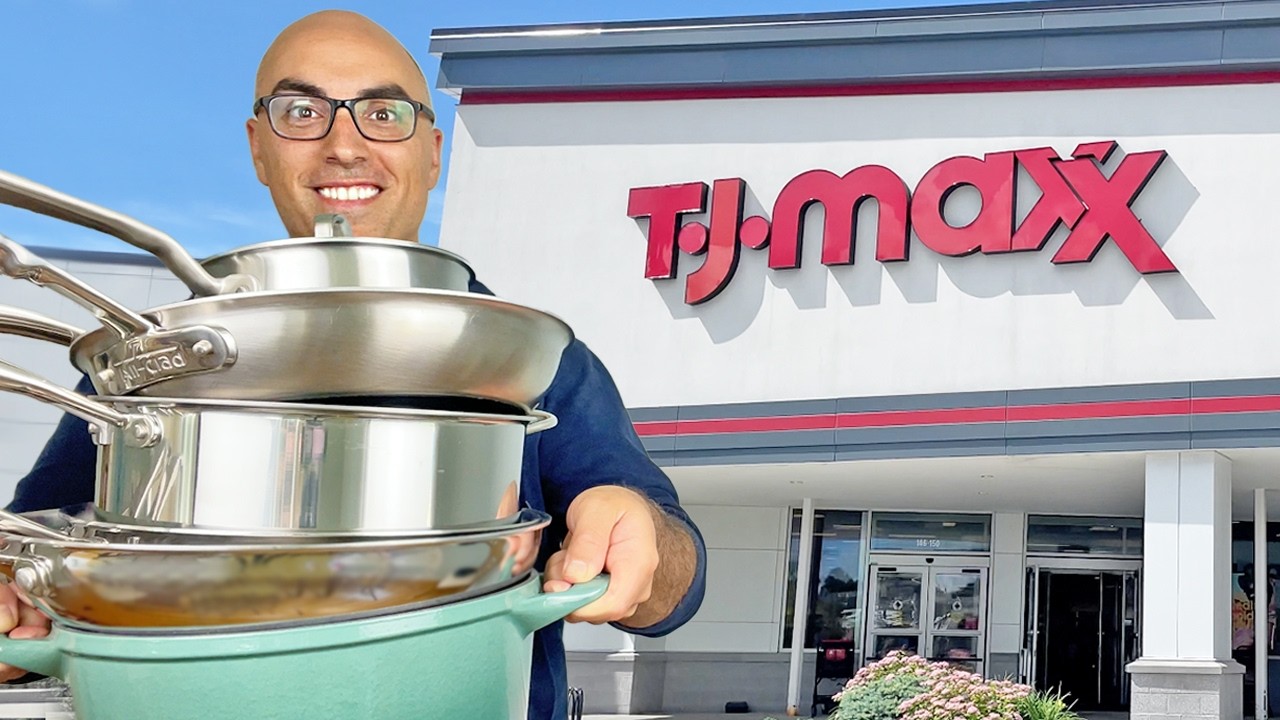
Stop Overpaying for Cookware (Do This Instead)
Worth watching for anyone in the kitchen game. Prudent Reviews brings real perspective here.

Zwilling vs. Henckels Kitchen Knives: What's the Difference?
You've watched enough cooks grab the wrong knife from the mag strip and struggle through their mise because they don't know what they're holding. This breakdown cuts through the Zwilling-Henckels confusion that trips up everyone from culinary students to seasoned line cooks who just want a blade that holds an edge through service. The difference isn't just marketing — it's about understanding what you're paying for when your livelihood depends on steel that works.
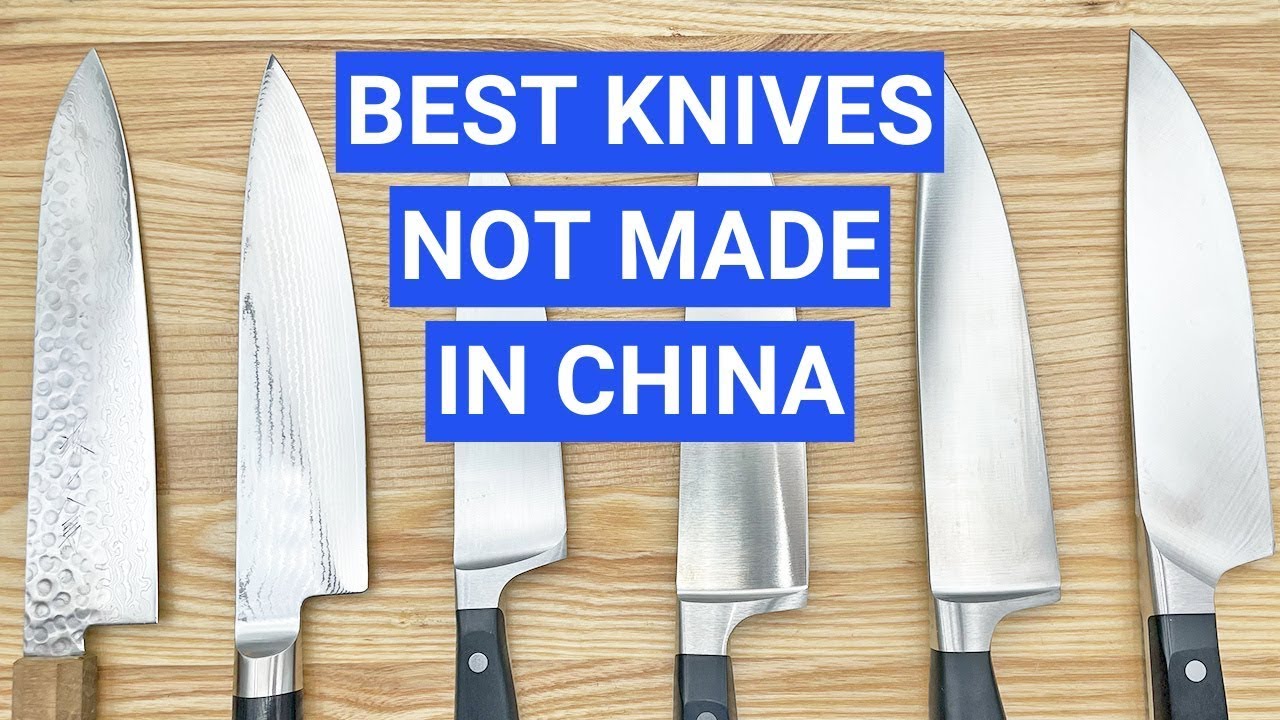
The 11 Best Kitchen Knife Brands NOT Made In China
Your knife is the one piece of gear that touches every plate that leaves your station, and the difference between a blade that holds an edge through a 300-cover Saturday and one that goes dull halfway through prep isn't about patriotism — it's about steel composition and the hands that forged it. This breakdown cuts through the marketing noise to focus on what actually matters: which countries consistently produce carbon and stainless that can handle the punishment of professional service. Anyone who's tried to brunoise shallots with a blade that folds under pressure knows exactly why geography matters when it comes to metallurgy.
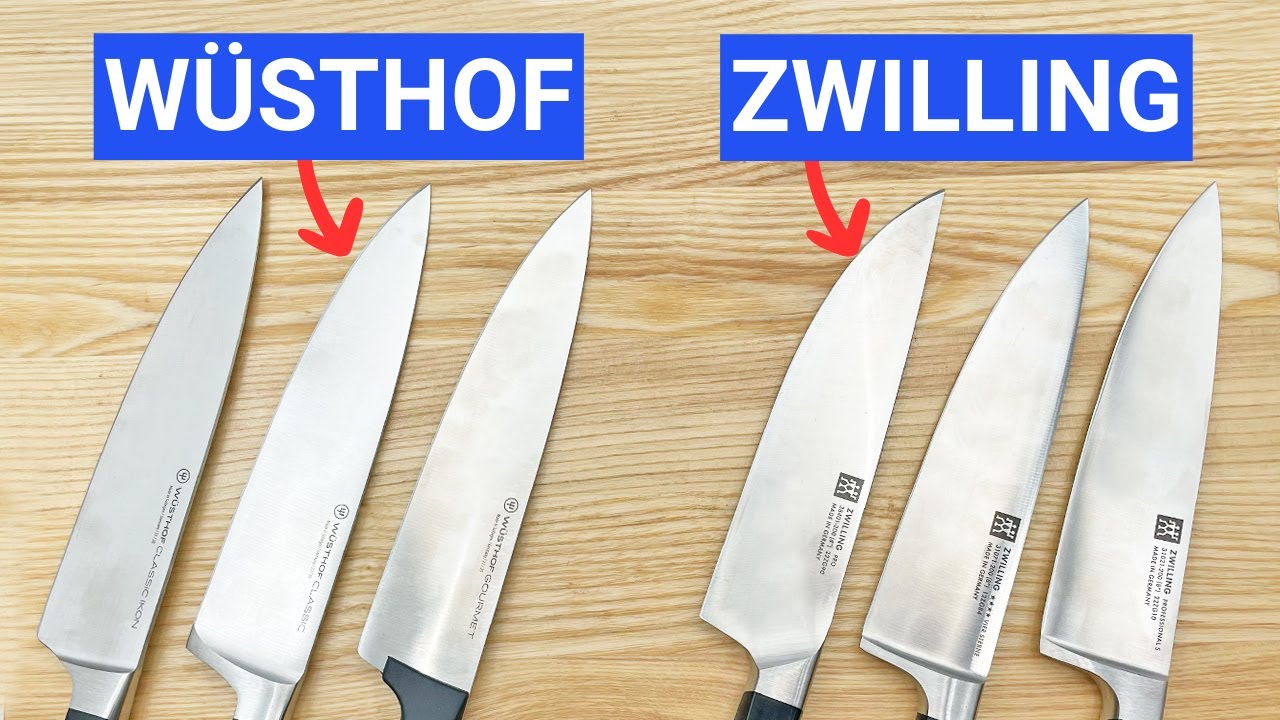
Wusthof vs. Zwilling: The REAL Differences After Testing Both For Years
Worth watching for anyone in the kitchen game. Prudent Reviews brings real perspective here.
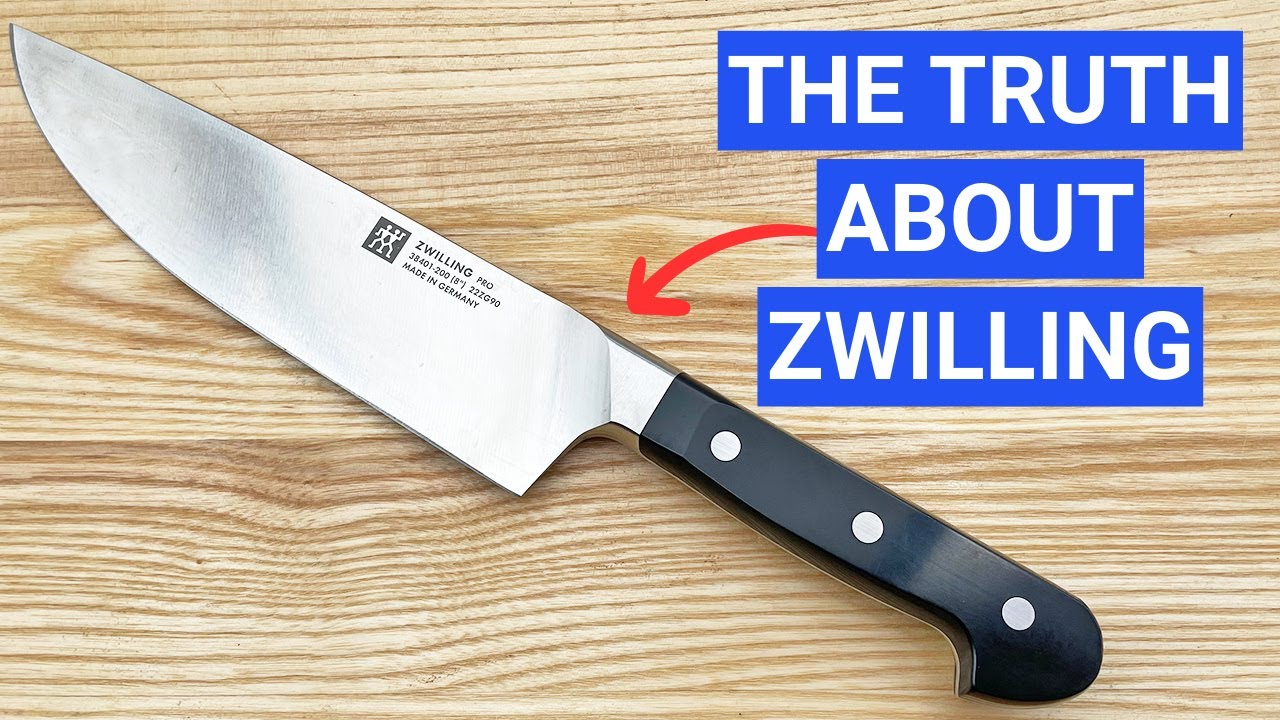
Zwilling Pro Review: Razor-Sharp Knives With a Few Unexpected Flaws
Worth watching for anyone in the kitchen game. Prudent Reviews brings real perspective here.
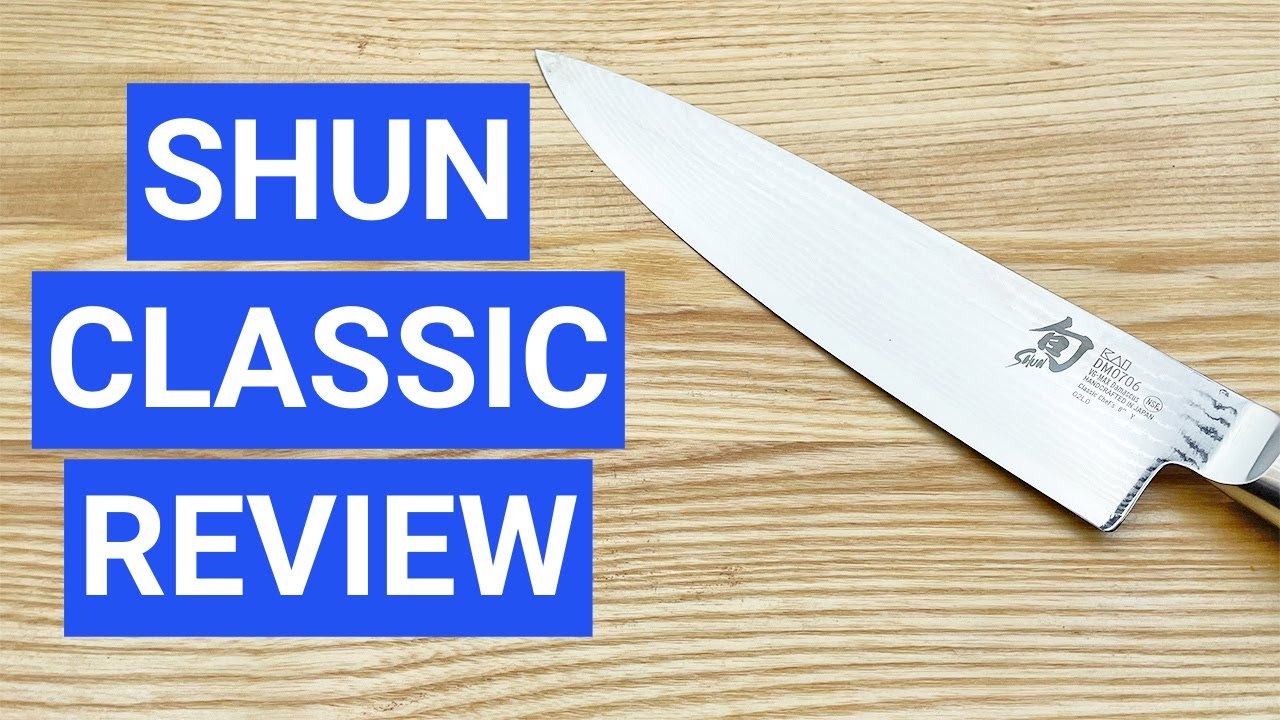
Shun Classic Review After 3+ Years: Razor-Sharp Knives With 1 Major Flaw
Three years is about right for an honest knife review — long enough to see how that Damascus steel holds up through a thousand services, short enough that you remember why you bought it. Shun Classics look beautiful on the magnetic strip, cut clean through a brunoise, but ask anyone running the garde manger station about chipping that hard steel on bones they shouldn't have hit. You're paying for Japanese craftsmanship that demands respect it doesn't always get on a busy line.
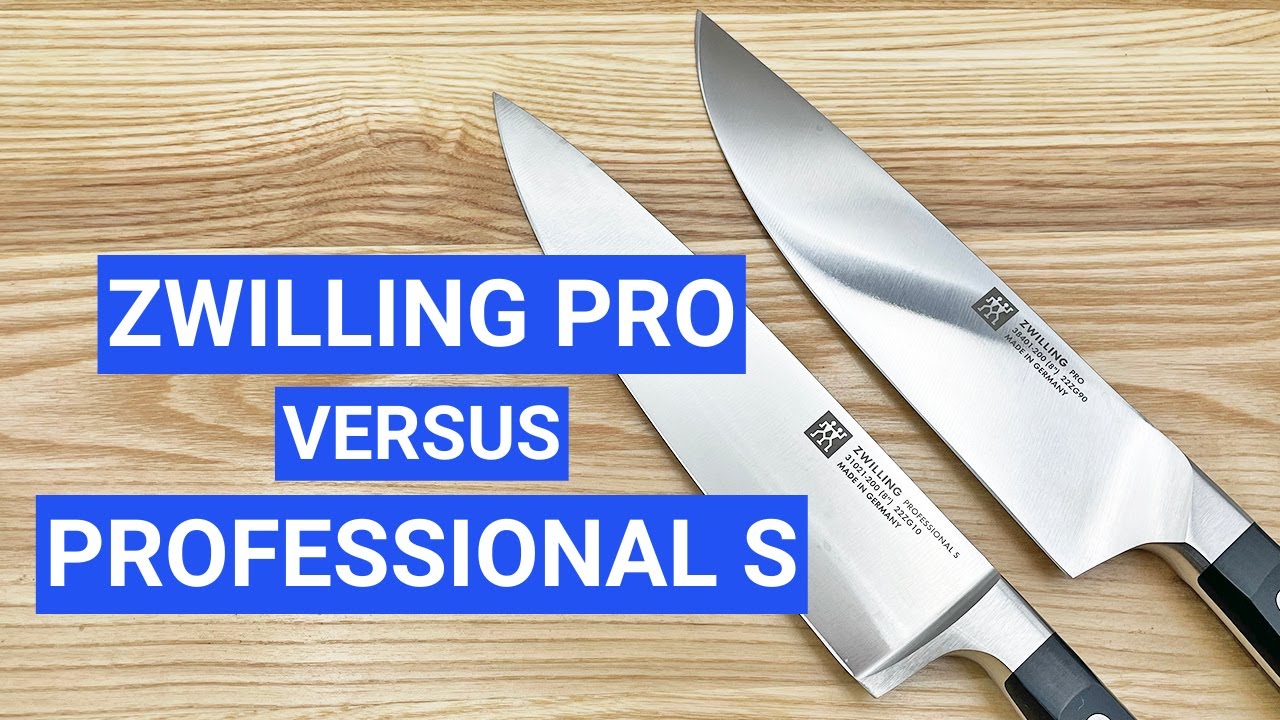
Zwilling Pro vs. Professional S: Which Knife Collection Is Better?
You can spend months debating steel composition and edge geometry, but every cook knows the truth hits when you're breaking down proteins at 6 AM and your knife either moves with you or fights you. This side-by-side puts two solid German workhorses through their paces — the kind of comparison that matters when you're choosing tools that'll live in your roll for the next decade. The differences are subtle until they're not.
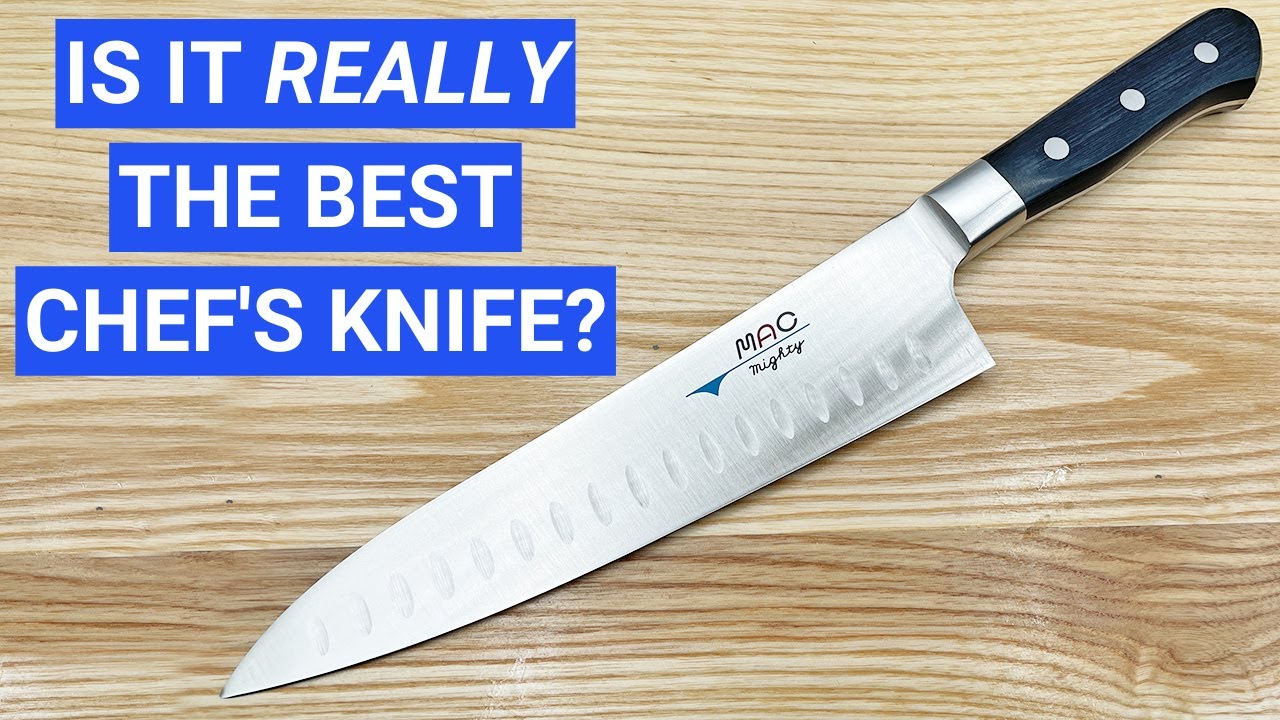
Are MAC Knives Overrated? My Honest Review
Your knife is the one tool that follows you from station to station, restaurant to restaurant, through every prep shift and service. This review cuts through the marketing noise around MAC knives with the kind of honest breakdown you need when you're about to drop serious money on steel. Anyone who's worked saute knows the difference between a blade that holds its edge through a busy Friday and one that doesn't.
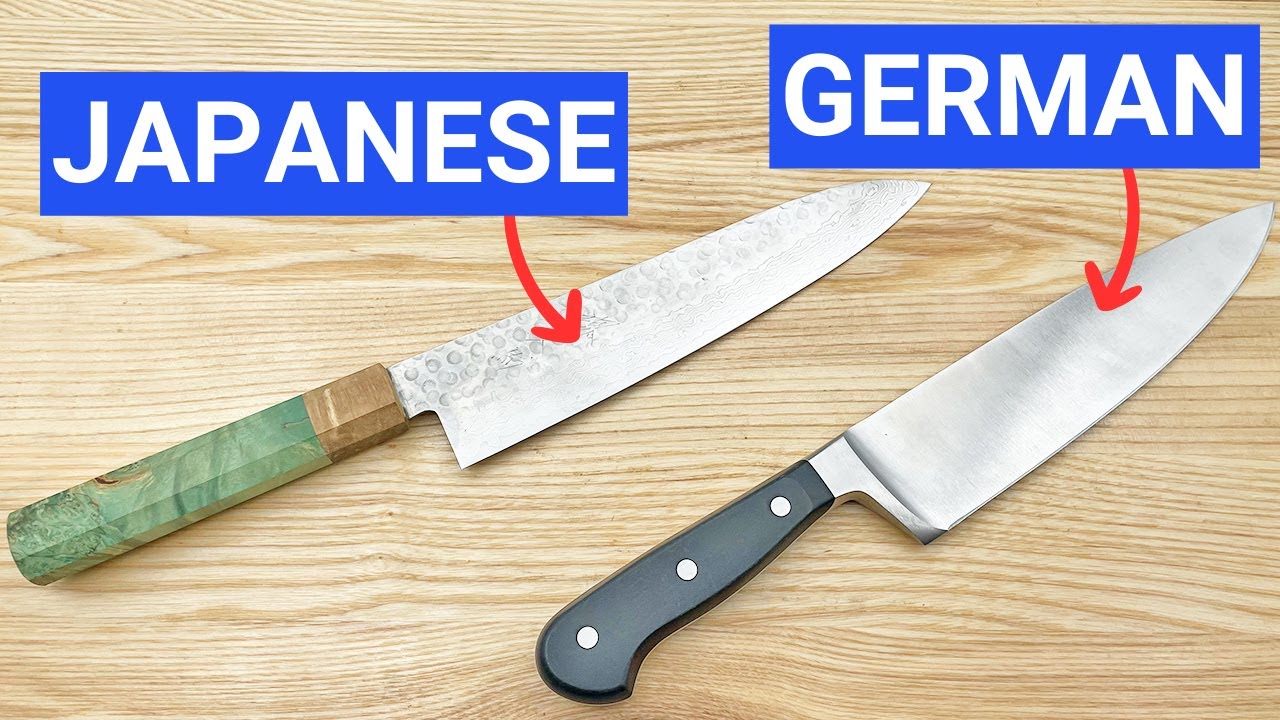
Japanese vs. German Knives: 9 Differences You Must Know Before Buying
You can tell who's actually worked the line by how they hold a knife — and more importantly, which knife they reach for when the tickets start flying. This breakdown cuts through the marketing noise to explain why your Japanese gyuto moves differently than that German workhorse, why one wants babying and the other begs for abuse. The differences aren't just steel and geometry. They're about which tool disappears in your hand during a sixteen-hour day.
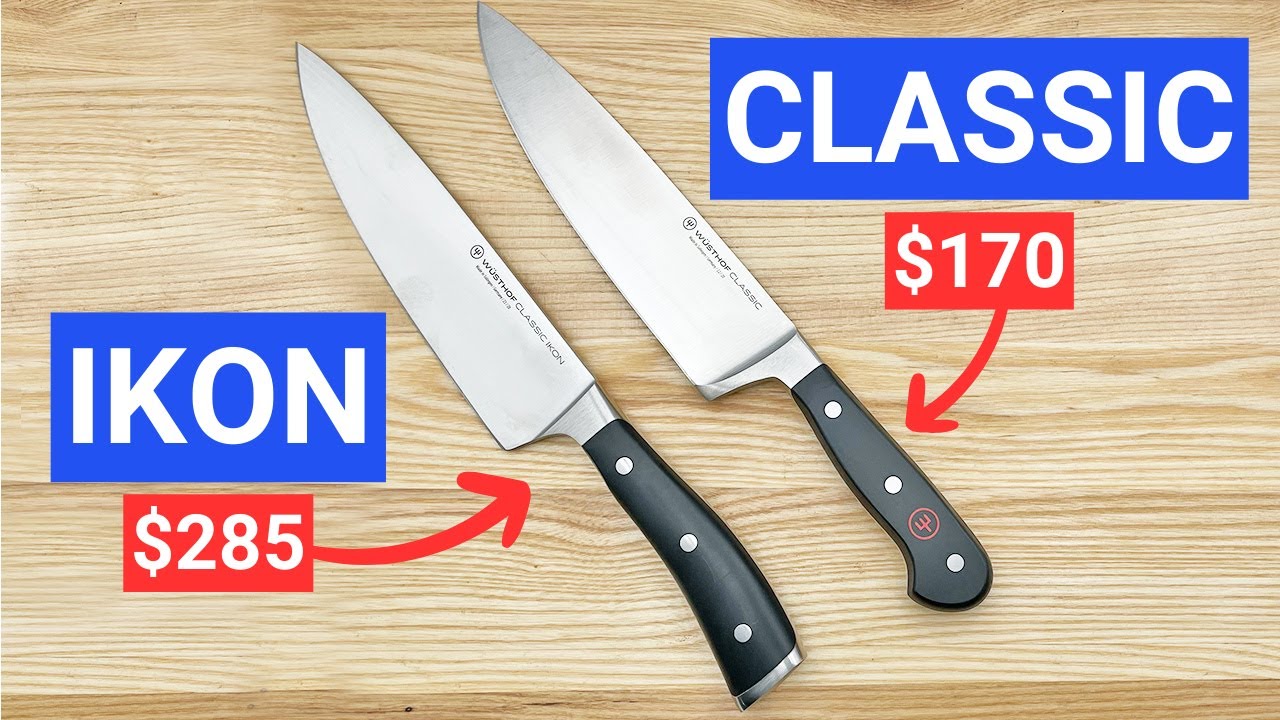
Wusthof Classic vs Ikon: Why Pricier Knives Aren't Always Better
The line cook who can make a $40 Victorinox sing will outwork the guy fumbling with a $200 blade every single shift. This breakdown strips away the marketing nonsense to focus on what actually matters: how the steel holds an edge, how the balance feels after four hours of brunette prep, whether the handle still grips when your hands are slick with duck fat. You're not buying jewelry — you're buying a tool that needs to show up every day for the next decade.

What Size Chef's Knife Should You Buy? 6-Inch or 8-Inch?
Your knife is an extension of your hand, and the wrong size turns every prep shift into a fight you can't win. The difference between six and eight inches isn't just reach — it's leverage on a butternut squash, control through a brunoise, the weight that carries you through a case of onions without your forearm screaming. Anyone who's broken down proteins for service knows that comfort trumps everything else on the board.
Technique & Skill
Are you a creator? Get your own profile page on LineCheck.
Submit your channel →