Restaurant Failures & Lessons
The restaurant industry has a well-earned reputation for chewing people up. The actual failure rate is debated — some studies put first-year closures around 17 percent, others higher — but the patterns behind the failures are remarkably consistent. Undercapitalization.
Menus priced on feeling instead of math. Partners who agreed on the dream but never talked about what happens when they disagree. The restaurants that close almost always leave a readable trail.
A lease that ate the operating margin. A food cost that drifted unchecked. A concept that lost its focus one compromise at a time.
These videos are case studies. Some are dramatic. All of them are instructive if you watch them looking for the decision that started the slide.
The Patterns Behind Most Closures
Strip away the individual stories and most restaurant failures share a structure. The operator opened with enough money to get to opening night but not enough to survive the slow months while the neighborhood finds them. The menu was priced on what felt right rather than on actual food cost and labor calculations.
The concept got compromised — a little at first, then a lot — until the place lost whatever made it worth going to. Two partners who agreed on everything in the excitement of opening discovered they agreed on nothing when the hard decisions arrived. And running through all of it: the operator who was too close to the problem, too proud, or too exhausted to call it early enough to change course.
Failure in this business is rarely sudden. It's a series of small decisions that compound.
The Patterns Behind Most Closures
Strip away the individual stories and most restaurant failures share a structure. The operator opened with enough money to get to opening night but not enough to survive the slow months while the neighborhood finds them. The menu was priced on what felt right rather than on actual food cost and labor calculations.
The concept got compromised — a little at first, then a lot — until the place lost whatever made it worth going to. Two partners who agreed on everything in the excitement of opening discovered they agreed on nothing when the hard decisions arrived. And running through all of it: the operator who was too close to the problem, too proud, or too exhausted to call it early enough to change course.
Failure in this business is rarely sudden. It's a series of small decisions that compound.
“Failure in this business is rarely sudden. It's a series of small decisions that compound.”
What the Survivors Did Differently
175 videosVideos on restaurant closures, kitchen disasters, and the operators who came out the other side knowing things that can't be learned from a textbook.
4 videos tagged “Pastry & Baking”
![Why do Food Trucks Fail [ How to Prevent it] How to Start a Food Truck Business 2026](https://i.ytimg.com/vi/gU3YyrpQLMs/maxresdefault.jpg)
Why do Food Trucks Fail [ How to Prevent it] How to Start a Food Truck Business 2026
You see another truck parked on the corner with its windows shuttered, and you wonder what broke first — the generator, the permits, or the owner's back from working 16-hour days alone in a six-foot box. This breaks down exactly why most mobile kitchens die before their first oil change: undercapitalized dreamers who think a good burger recipe beats understanding food cost, licensing hell, and the brutal math of feeding people from a vehicle. Anyone who's worked a truck knows the romance dies fast when you're doing prep at 4 AM in a commissary kitchen you can barely afford.
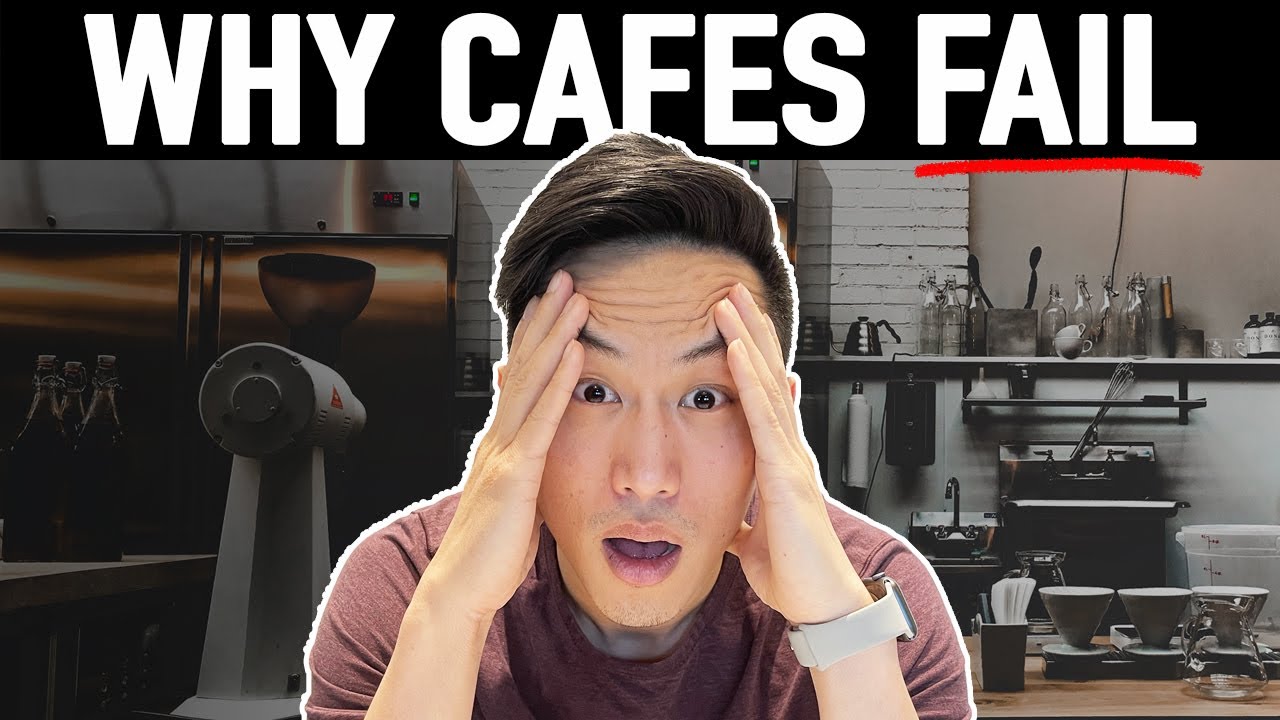
5 Must Know Reasons Why Coffee Shops FAIL In Their First Year | Start a Cafe Business 2022
Wilson breaks down the five death traps that kill coffee shops before they see their second New Year's Eve service — undercapitalization, location suicide, menu bloat, labor math that doesn't work, and the classic mistake of falling in love with your concept instead of your customers. You've watched it happen: the couple who opens their dream café with $30K and burns through it in four months because they never calculated what 200 covers a day actually costs in labor and product. The numbers don't lie, even when the espresso machine does.

RAW Lamb & Half A Pre-Packaged Cake Leaves Gordon Furious | Hotel Hell
I've watched enough kitchens implode to know that when you're serving raw lamb and store-bought cake, you're not running a restaurant anymore — you're running a fucking crime scene with tablecloths. Gordon loses his mind here, but honestly, the real tragedy is how this owner probably convinced himself he was in the hospitality business while poisoning his neighbors.
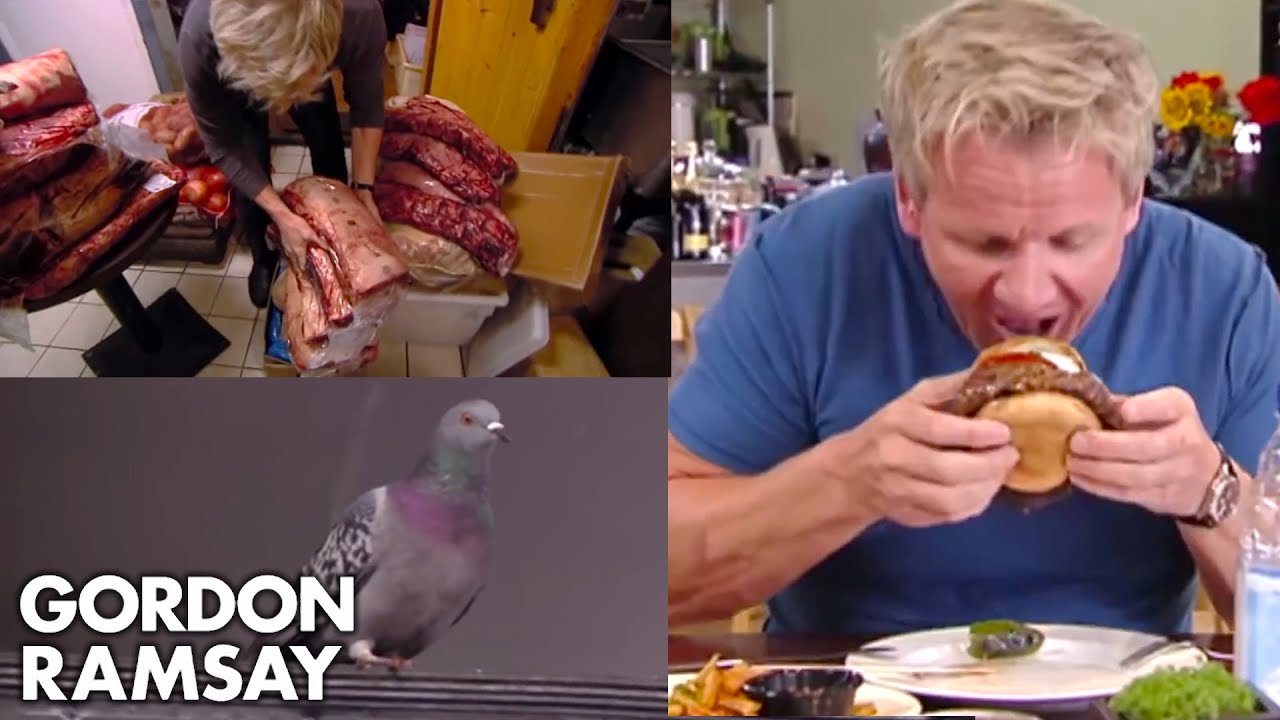
Kitchen Nightmare's Most Ridiculous Moments
Look, I've walked into enough disasters to know that Amy's Baking Company wasn't television - that was pure, unfiltered kitchen psychosis in its natural habitat. Watching Ramsay try to navigate that level of delusional ownership is like watching a bomb disposal expert work with his hands tied behind his back. Every operator should study these train wrecks because somewhere in that chaos is your business if you stop paying attention to reality.
They hired slowly and fired fast when the culture got compromised. They were obsessively clear about what their restaurant was and what it was not. They treated the first year as a learning period, not a victory lap.
And they had systems in place before the volume arrived, not after.
Understanding why restaurants fail is incomplete without understanding what prevents it. Kitchen Systems covers the operational structures that keep places running. Cost Control covers the numbers that signal trouble before it arrives.