Technique & Skill
There are two kinds of cooking knowledge. There's the kind you can read — ratios, temperatures, the science of emulsification. And there's the kind that lives in your hands.
The feel of properly developed dough. The sound of a correct sear. The instinct for when a sauce is thirty seconds from breaking.
The second kind only comes from repetition, and it's what separates cooks who are capable from cooks who are good. These videos are worth watching more than once. A great demonstration of knife work isn't educational the first time — it's educational the twentieth time, when you've done the cut yourself a hundred times and can finally see the specific thing you're still getting wrong.
Why Watching Isn't the Same as Learning
A skilled cook makes everything look easy, and that's the trap. The knife glides through the onion because a thousand hours of practice found the exact grip, angle, and motion that eliminates resistance. The sauce comes together in seconds because the cook knows instinctively when the temperature is right and how much fat to add.
None of it was natural. All of it was built through deliberate practice, usually with someone standing next to them correcting their wrist angle or their pan technique. Video can't correct your wrist.
But it can show you what correct looks like, clearly and repeatedly, so that when you practice, you know what you're aiming for. Watch carefully. Practice slowly.
Watch again and find what you missed.
Why Watching Isn't the Same as Learning
A skilled cook makes everything look easy, and that's the trap. The knife glides through the onion because a thousand hours of practice found the exact grip, angle, and motion that eliminates resistance. The sauce comes together in seconds because the cook knows instinctively when the temperature is right and how much fat to add.
None of it was natural. All of it was built through deliberate practice, usually with someone standing next to them correcting their wrist angle or their pan technique. Video can't correct your wrist.
But it can show you what correct looks like, clearly and repeatedly, so that when you practice, you know what you're aiming for. Watch carefully. Practice slowly.
Watch again and find what you missed.
“A great demonstration isn't educational the first time. It's educational the twentieth.”
The Foundations Worth Practicing
427 videosVideos on knife skills, cooking fundamentals, plating techniques, and the craft behind professional cooking at every level.
28 videos tagged “Plating”

The discipline behind great cooking with Marco Pierre White | Meet your Maestro | BBC Maestro
Five minutes. That is all White needs to lay out the difference between a cook who survives and a cook who lasts. This is not about recipes or plating — it is about the framework underneath: punctuality, cleanliness, consistency, the willingness to do the same thing perfectly five hundred times in a row. If you run a kitchen, make your team watch this on day one.

40 mins of vegetarian dishes with Marco Pierre White | Meet Your Maestro | BBC Maestro
Forty minutes of Marco Pierre White cooking without meat, and not once does the food feel diminished. He approaches vegetables with the same intensity he brought to his legendary kitchens — roasting for depth, seasoning with precision, plating with restraint. Any chef who thinks vegetarian is a limitation will find their argument dismantled here, one dish at a time.
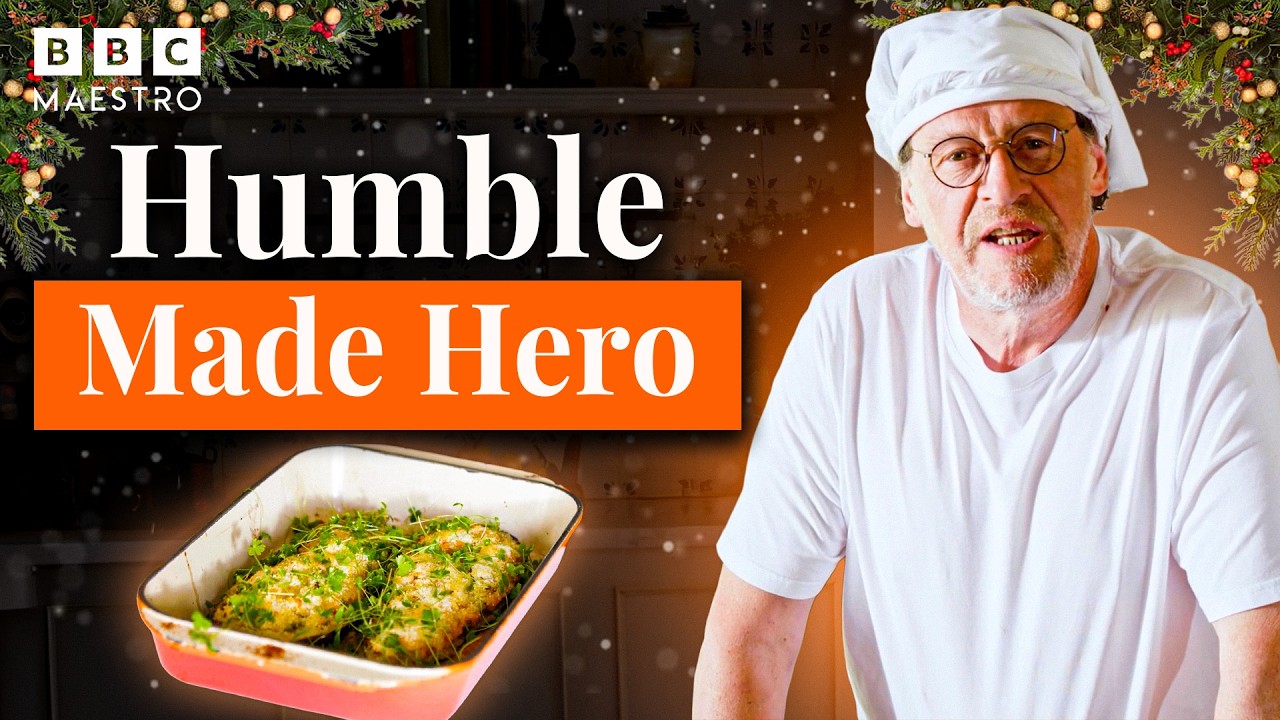
Transforming garnishes into great dishes with Marco Pierre White | Meet your Maestro | BBC Maestro
Garnish is not decoration. In White's kitchen, it never was. Across thirty-five minutes he transforms what most cooks treat as afterthought into dishes that could stand alone on any tasting menu. The philosophy is simple: if it is on the plate, it should be worth eating on its own. Every kitchen that uses parsley as confetti needs to watch this.
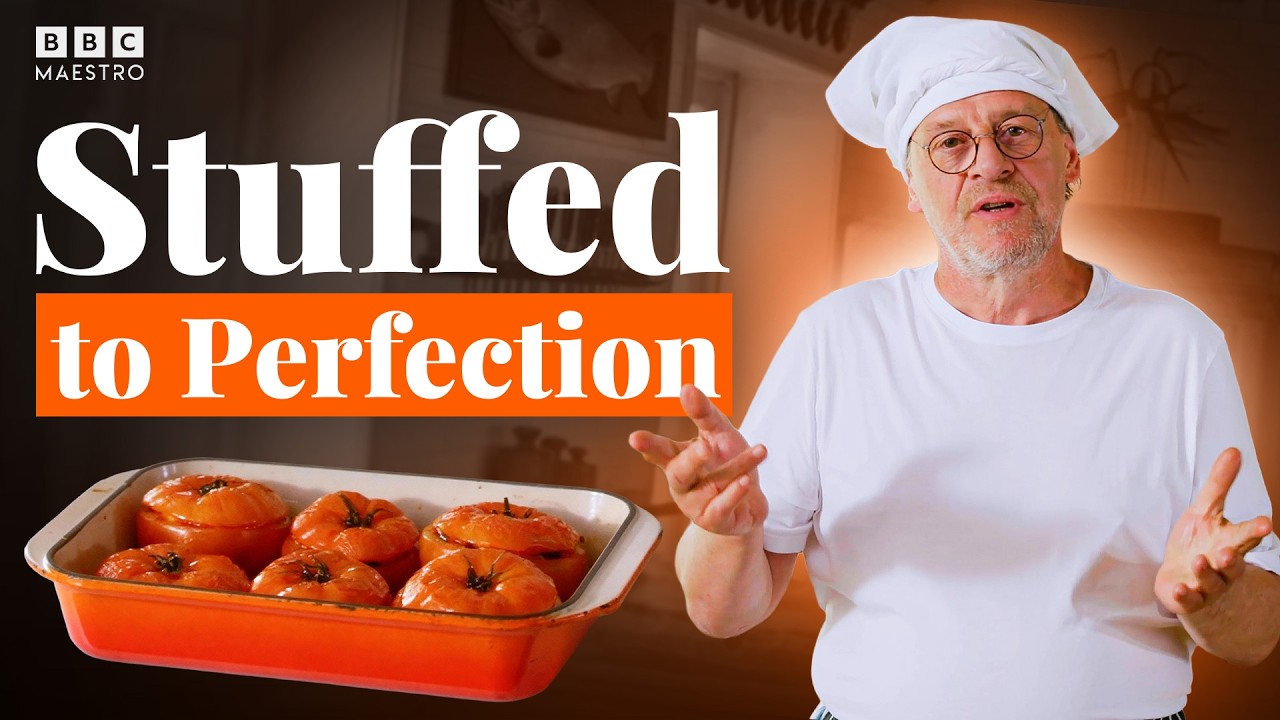
How to cook perfect stuffed vegetables with Marco Pierre White | Meet your Maestro | BBC Maestro
Stuffed vegetables have become a punchline in modern cooking — something your grandmother made, not something a three-star chef would touch. White disagrees, and he proves it across forty unhurried minutes. The technique is not flashy. It is the opposite: careful preparation, deep understanding of how vegetables hold heat and flavor, and the kind of plating that makes simplicity look intentional rather than lazy.
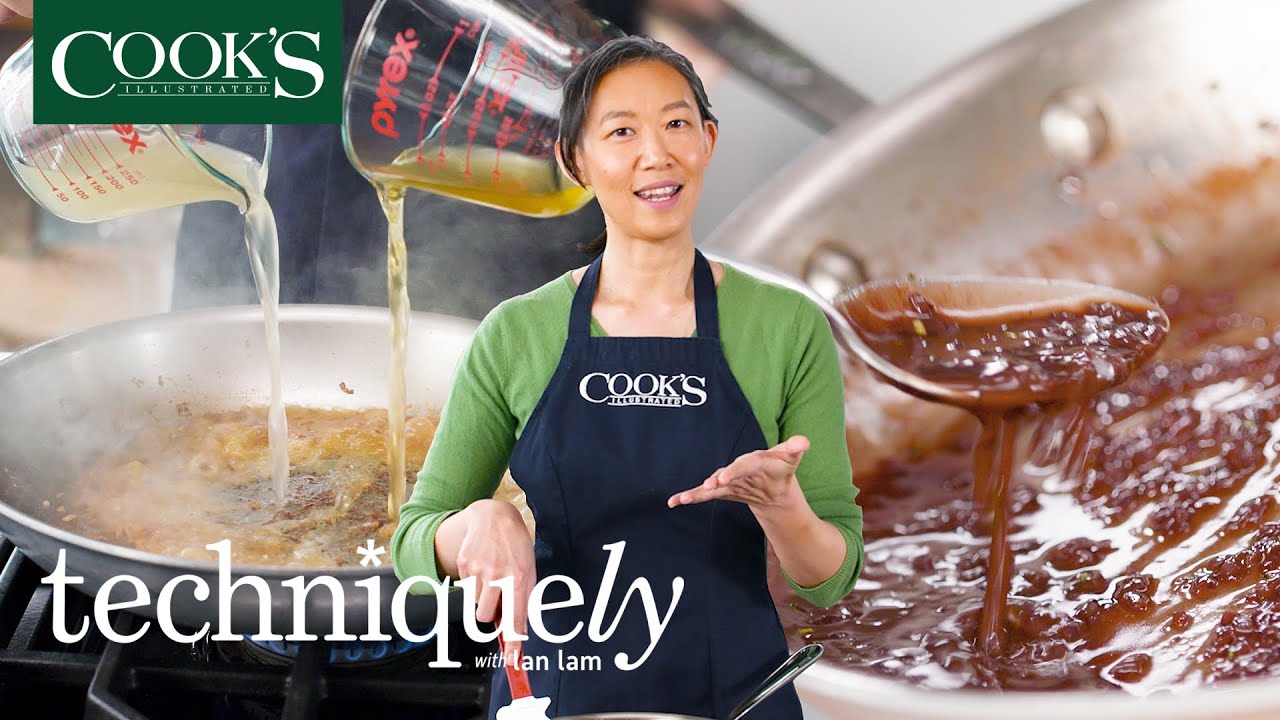
The Secrets to Easy & Delicious Pan Sauces | Techniquely with Lan Lam
You can always spot the cooks who never learned proper pan sauce technique — they're the ones deglazing with cold stock or dumping cream into a screaming hot pan. Lan Lam breaks down the fundamentals that separate a glossy, restaurant-quality sauce from the broken, greasy mess most home cooks settle for. The kind of muscle memory that saves your ass when you're plating 200 covers and need that chicken breast to sing.

Michelin Star Beef Short Ribs at Home
Fallow breaks down their Michelin-level short rib braise without the usual chef theater — just proper technique and the kind of patience that separates restaurant cooking from home cooking. You can see fifteen years of repetition in how they handle the sear, build the braising liquid, and know exactly when the connective tissue surrenders. The money shot isn't the plating; it's watching someone who's done this a thousand times work clean and methodical through every step.

Perfect pear & chocolate dessert! Fine dining pastry recipes
Jules breaks down a chocolate-pear composition that looks like it belongs on a $95 tasting menu — whiskey cream, tempered chocolate work, and the kind of plating that takes steady hands and about three years of muscle memory. You can spot a real pastry cook by how they handle chocolate: no rushing the temper, no shortcuts on the ganache, everything at proper temperature because one degree off means starting over. The pear work here isn't just pretty — it's technique disguised as art, the kind of knife skills and flavor balance that separate the weekend warriors from the people running pastry sections.

9 MICHELIN plating secrets: How to plate like TOP #chefs
Nine techniques that separate the line cook from the chef de cuisine, distilled into moves you can practice on tonight's service. The spacing, the height, the way sauce hits the plate — these aren't Instagram tricks, they're fundamentals that take years to make look effortless. You either see the geometry in a perfect plate or you're still pushing food around with a spoon.

How to Plate Food at Home
Internet Shaquille breaks down plating fundamentals with the kind of methodical precision that separates line cooks from weekend warriors—proper sauce placement, height variation, the physics of how food actually sits on a plate. You can tell he's spent years watching dishes come back because the garnish slid or the protein looked lonely in all that white space. This isn't Instagram pretty; it's functional plating that survives the pass and makes sense to whoever's expediting.

Simple rice plating ideas/easy way to plate the rice /food plating ideas #platingideas #foodplating
Six ways to make rice look like you actually give a damn about the plate you're sending out. The moves here aren't revolutionary — ring molds, offset spatulas, the back of a spoon — but watch how clean the execution is, how every grain sits where it's supposed to sit. You've seen line cooks rush this step, dump and go, wonder why their food photographs like cafeteria slop.

Art of Plating: My Top 10 Creations of the Year
Ten plates that took years to learn how to build, reduced to four minutes of muscle memory and knife work you can actually see. Chef Majk's hands move like someone who's plated a few thousand covers — the tweezers know where they're going before his brain does. You either have the patience to build these skills or you're still wondering why your garnish looks like it got sneezed onto the plate.

UNLOCK Beautiful Plating LAYOUTS with the S.L.I.C Technique
Most line cooks plate by instinct and prayer, building muscle memory one rushed ticket at a time until something clicks. This breaks down the geometry — how negative space works, where the eye wants to land, why that perfectly centered protein looks dead on arrival. You can feel fancy about "S.L.I.C." or you can just watch someone who actually knows how to make a plate sing teach you the mechanics behind what good cooks do without thinking.

How To Instantly Make Your Food and Cooking Look Beautiful
Weissman breaks down the invisible mechanics that separate a plate from a presentation — the angle of the sauce, the direction of your garnish, why that micro-green isn't landing where you think it is. You can teach someone to cook a protein in a week; teaching them to see proportion and balance takes years of reps on the pass. Every staged photo you've ever envied follows these same rules, whether the photographer knows it or not.
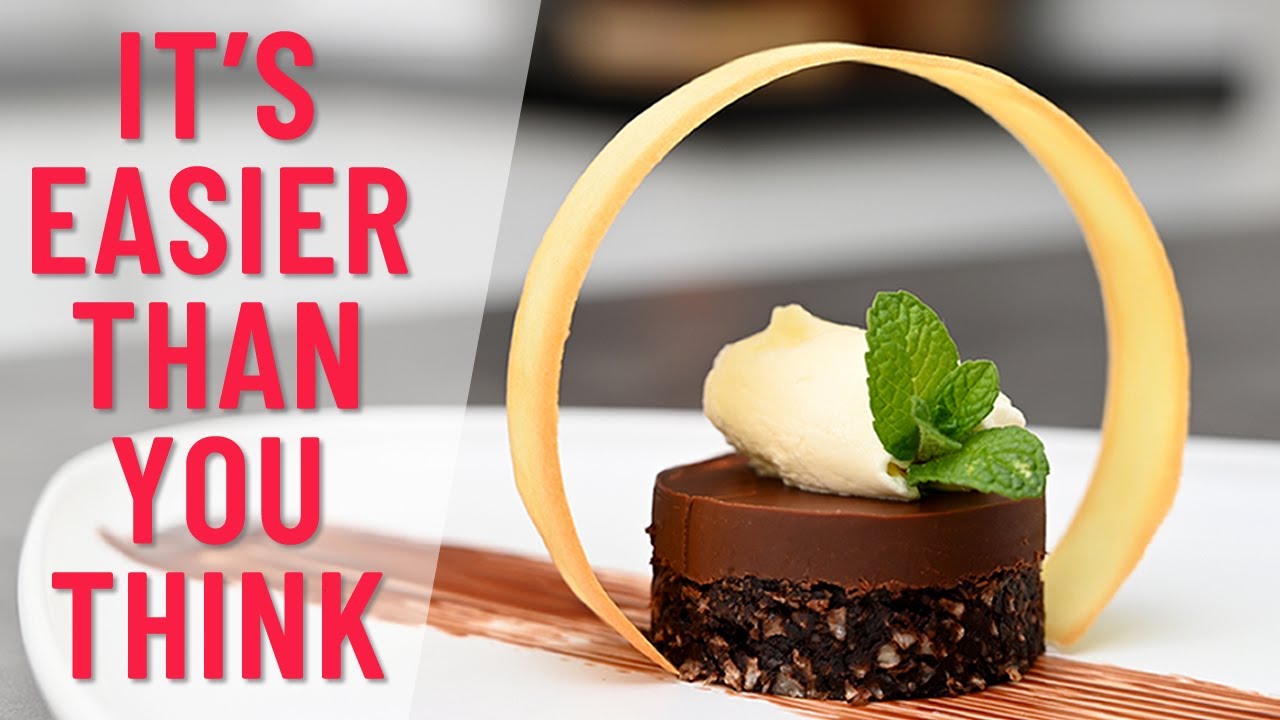
Tuile biscuits will enhance your desserts! (+ DESSERT PLATING IDEAS)
You can spot the cooks who've never made tuile by how they talk about it — like it's some mystical French magic instead of sugar, flour, and timing. This video breaks down the actual technique: proper batter consistency, oven temp that won't scorch your batch, and the thirty-second window where they're pliable enough to shape. Anyone who's watched a month of tuile attempts turn into expensive garbage will appreciate seeing someone who actually knows the fundamentals.

PLATING TECHNIQUES & IDEAS - Sauces, Oils, Purées & Soups - Plate like a Pro!
The squeeze bottle trembles in nervous hands, the sauce dots looking like a kindergarten art project instead of the clean lines you see on the pass every night. This breakdown of plating fundamentals — dots, quenelles, swooshes, the proper viscosity for each — is the kind of methodical practice that separates the shaky extern from the cook who can fire twelve plates without breaking rhythm. You either control the sauce or it controls you.

How to Make Beautiful Coral Tuile Garnish
Watch someone who understands that garnish isn't decoration — it's architecture, and every piece has to earn its place on the plate. The tuile work here is clean, consistent, the kind of muscle memory that comes from burning through cases of butter and learning that temperature control isn't negotiable. You can see it in the hands: no hesitation, no second-guessing the timing. This is what separates the cooks who last from the ones who wash out after their first Saturday night in the weeds.
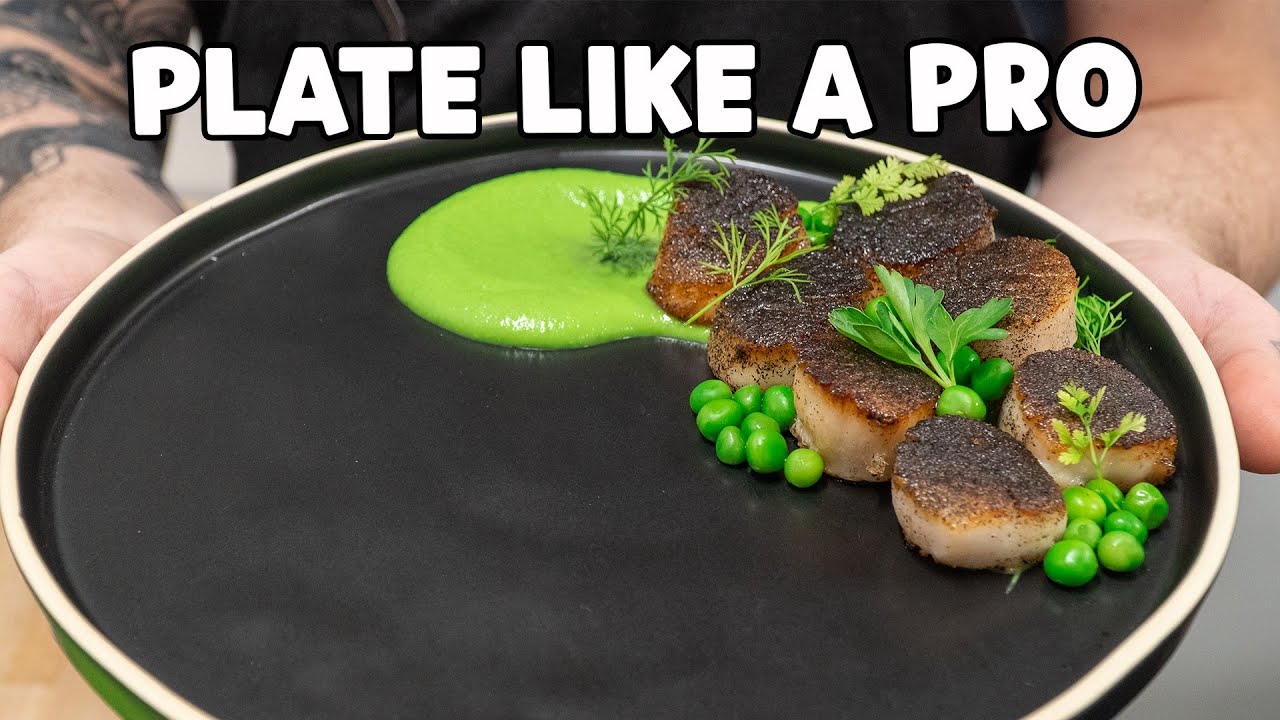
10 Simple Tips to Make Beautiful Food (+ Useful Tools)
Witt breaks down plating like someone who's actually expedited a dinner rush — no molecular gastronomy theatrics, just clean lines and deliberate placement that makes sense when you're pushing 200 covers. The tools he recommends aren't Instagram props; they're workhorses that hold up under pressure and fit in a real station setup. You can tell the difference between someone who plates for photos and someone who plates for service.
Food Styling: Chef Michael Laiskonis' 4 Essential Elements of Plating
Laiskonis breaks down plating like the pastry chef he is — methodical, precise, built on fundamentals that most cooks rush past. You either understand that every sauce drop has purpose or you're just making pretty pictures for Instagram. Four elements sounds simple until you realize most line cooks can't nail one consistently on a Saturday night.

20 Different plating techniques | simple techniques for sauce/gel | art on plate | by Monika Talwar
Twenty different ways to make a dot of beetroot gel look intentional on the rim of a plate. Talwar's hands move with the kind of muscle memory that comes from plating the same dish 200 times a service — each squeeze of the bottle controlled, each drag of the offset spatula deliberate. You either have the steadiness for this kind of precision work or you don't, and she clearly does.

25 Easy Plating Techniques - Plate like a Pro
You can tell someone's trained by how they sauce a plate — the wrist action, the confidence, the way they know exactly when to stop. This chef breaks down twenty-five techniques that separate the cooks who smear from the ones who compose, covering everything from basic dots and drags to more complex geometric patterns that actually make sense on a working line. The real value isn't the flashy stuff — it's watching someone who understands that good plating is about control, not Instagram.

Make It Fancy With These 10 Easy Plating Hacks! Elegant Desserts by So Yummy
The distance between a dessert that looks like it fell off the truck and one that stops conversation at table twelve isn't magic — it's ten small moves that separate cooks from pastry cooks. These aren't hacks, they're fundamentals dressed up for the algorithm, but fundamentals nonetheless. Anyone who's watched a real pastry chef plate knows the difference between technique that serves the dessert and tricks that serve the camera.

11 Impressive Ways to Present Desserts Like a Pro! So Yummy
You can spot a staged plating video from across the pass — hands too clean, mise too perfect, zero sense of urgency. This one actually shows techniques that work on the line: chocolate work that holds under heat lamps, sugar pulls that don't shatter when servers bump the plate, presentation methods you can execute during a rush without turning your dessert station into abstract art. Anyone who's tried to make Instagram-pretty desserts during Saturday service knows the difference between show and go.

How Michelin Chefs Cook Steak (From Blue to Well Done)
You can tell everything about a cook by how they handle protein on the grill — the hand placement, the timing, the way they read the char without cutting into it. Fallow breaks down their Michelin technique for cooking steak from blue to well-done, and it's not about the fancy equipment or the plating. It's about understanding heat, respecting the meat, and knowing that muscle memory only comes after you've burned through a few hundred steaks learning exactly what medium-rare feels like under your thumb.

The 6 Rules of Plating Used in Restaurants | Epicurious 101
You've watched a hundred plates go out wrong and wondered if there's actually a system behind the chaos. Ann Ziata breaks down the six fundamentals that separate the cooks who plate with intention from the ones who just pile food and pray. Anyone who's ever had to refire because "it looked like shit" will recognize the difference between knowing these rules and actually living them on a busy Saturday night.
A cook who can break down a case of onions in ten minutes has twenty more minutes for everything else on the prep list. After the knife: heat management. Reading a pan.
Knowing the difference between a sear and a steam. Understanding what oil temperature actually sounds like. Then plating — not as decoration, but as the final step in communicating what the dish is supposed to be.
Each skill builds on the one before it, and none of them have shortcuts.
Technique and equipment are inseparable — understanding your tools is part of executing properly. Equipment & Tools goes deeper on the gear. For the business context that makes these skills valuable, Cost Control and Menu Design show how craft translates into a menu that works financially.