Restaurant Failures & Lessons
The restaurant industry has a well-earned reputation for chewing people up. The actual failure rate is debated — some studies put first-year closures around 17 percent, others higher — but the patterns behind the failures are remarkably consistent. Undercapitalization.
Menus priced on feeling instead of math. Partners who agreed on the dream but never talked about what happens when they disagree. The restaurants that close almost always leave a readable trail.
A lease that ate the operating margin. A food cost that drifted unchecked. A concept that lost its focus one compromise at a time.
These videos are case studies. Some are dramatic. All of them are instructive if you watch them looking for the decision that started the slide.
The Patterns Behind Most Closures
Strip away the individual stories and most restaurant failures share a structure. The operator opened with enough money to get to opening night but not enough to survive the slow months while the neighborhood finds them. The menu was priced on what felt right rather than on actual food cost and labor calculations.
The concept got compromised — a little at first, then a lot — until the place lost whatever made it worth going to. Two partners who agreed on everything in the excitement of opening discovered they agreed on nothing when the hard decisions arrived. And running through all of it: the operator who was too close to the problem, too proud, or too exhausted to call it early enough to change course.
Failure in this business is rarely sudden. It's a series of small decisions that compound.
The Patterns Behind Most Closures
Strip away the individual stories and most restaurant failures share a structure. The operator opened with enough money to get to opening night but not enough to survive the slow months while the neighborhood finds them. The menu was priced on what felt right rather than on actual food cost and labor calculations.
The concept got compromised — a little at first, then a lot — until the place lost whatever made it worth going to. Two partners who agreed on everything in the excitement of opening discovered they agreed on nothing when the hard decisions arrived. And running through all of it: the operator who was too close to the problem, too proud, or too exhausted to call it early enough to change course.
Failure in this business is rarely sudden. It's a series of small decisions that compound.
“Failure in this business is rarely sudden. It's a series of small decisions that compound.”
What the Survivors Did Differently
175 videosVideos on restaurant closures, kitchen disasters, and the operators who came out the other side knowing things that can't be learned from a textbook.
79 videos tagged “Restaurant Failure”

why do we make bad food? gordon begin | Kitchen Nightmares | Gordon Ramsay
Worth watching for anyone in the kitchen game. Kitchen Nightmares brings real perspective here.
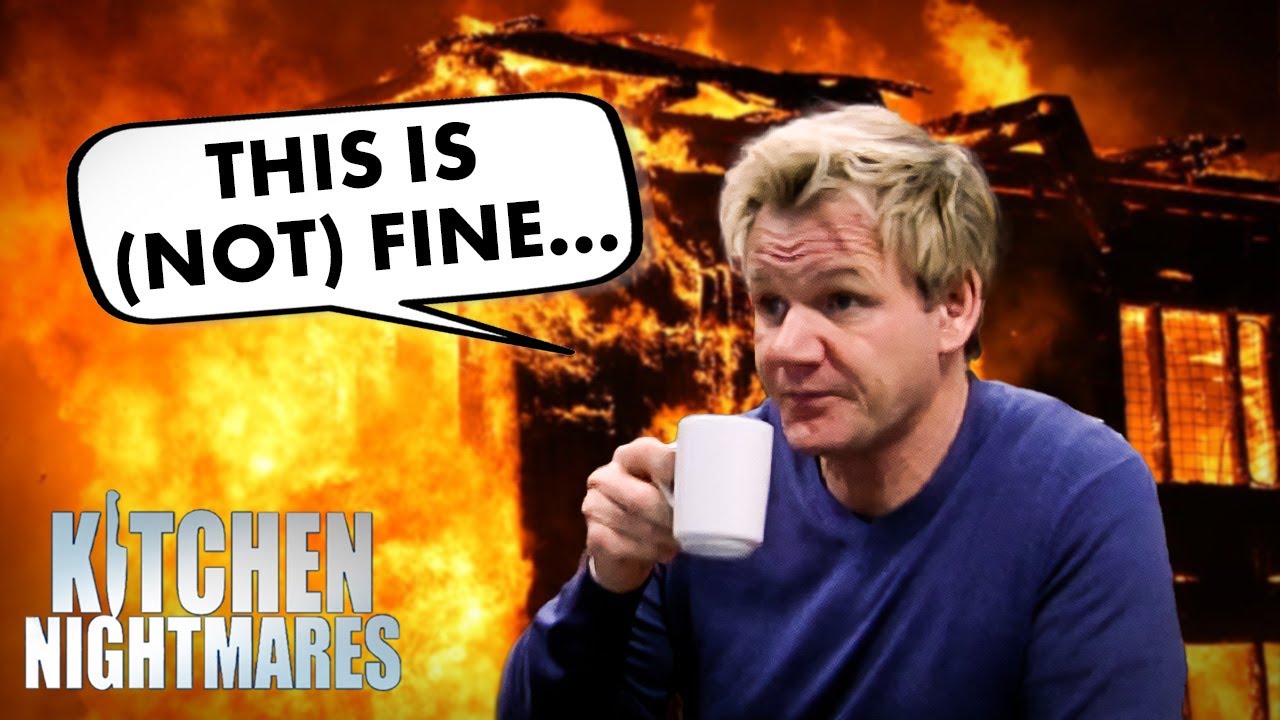
this is fine (and definitely not a kitchen nightmare) | Kitchen Nightmares | Gordon Ramsay
Worth watching for anyone in the kitchen game. Kitchen Nightmares brings real perspective here.

SHOCKINGLY BAD Restaurants From Season 1 | Kitchen Nightmares
Worth watching for anyone in the kitchen game. Gordon Ramsay brings real perspective here.

3.2 Expensive Food Menu Mistakes That Are Ruining Your Food Business
You're running 32% food cost and wondering where the money's going, while that Instagram-worthy truffle mac sits cold on table seven because nobody orders a $28 side dish twice. Wilson breaks down the math that separates restaurants from former restaurants — the difference between what looks good on a menu and what actually moves. Anyone who's watched perfectly plated expensive dishes get scraped into the trash knows exactly what he's talking about.
Mistakes When Buying a Restaurant
You've watched someone else's dream turn into your 70-hour nightmare, and usually it starts with the same rookie moves Oikle breaks down here. The lease terms that looked reasonable until you're hemorrhaging cash three months in, the equipment that seemed like a steal until it breaks during your first Mother's Day rush. Anyone who's ever inherited someone else's mess knows exactly which corners the last guy cut.

8 Most Common Restaurant Marketing Mistakes
You're bleeding money on Instagram ads while your regulars can't get a table on Friday night. Brett cuts through the marketing bullshit to show you where operators actually waste their dollars — spoiler alert, it's not the logo redesign you've been putting off for three years. Every dollar you throw at the wrong marketing channel is a dollar that could have fixed your walk-in cooler.

Mistakes Restaurant Owners Make, Mistake #1 - Small Business Marketing, Ideas, Tips & Tricks
Marcus Guiliano has run restaurants long enough to know that most operators treat marketing like seasoning — they sprinkle it on at the end and wonder why nothing tastes right. You're either building systems that fill seats consistently or you're praying for walk-ins while your fixed costs eat you alive. The first mistake isn't what you think it is.

Restaurant Owner Mistakes I See All the Time
You've been running numbers all week wondering why the math doesn't add up, then you watch this and realize you're making the same three mistakes as the guy who closed down the block. Peters isn't serving theory — he's calling out the blind spots that kill restaurants while owners are busy playing chef. The hardest part isn't hearing what you're doing wrong; it's admitting you've been doing it for six months.

Restaurant Success: The Biggest MISTAKE New Restaurant Owners Make! | #1MBusiness
Nelson Braff's been running restaurants since before half your line cooks were born, and he's watching another wave of dreamers crash into the same rocks. The biggest mistake isn't bad food or wrong location — it's operators who fall in love with their own concept instead of falling in love with their numbers. You can't romance your way out of a 38% food cost, and the dining room doesn't care how much you believe in your vision when the lights get shut off.

6 Biggest Restaurant Owners Mistakes - Part 1
You're three months in and the numbers aren't adding up the way the business plan said they would. The Restaurant Boss breaks down the six ways owners torpedo their own operations — from labor costs that creep like a gas leak to menu engineering that ignores food cost reality. Anyone who's watched a dream restaurant become a 70-hour-week nightmare knows these aren't theoretical mistakes. They're the difference between cutting checks and cutting losses.

7 Mistakes To Avoid In Food Business | Cloud Kitchen | Abhinav Saxena | Food Business Ideas
Seven mistakes that kill food businesses before they find their rhythm — location blindness, menu bloat, ignoring food costs until they're drowning in red ink. Saxena breaks down the operational reality most ghost kitchen operators learn the expensive way. You're either running the numbers or the numbers are running you into the ground.
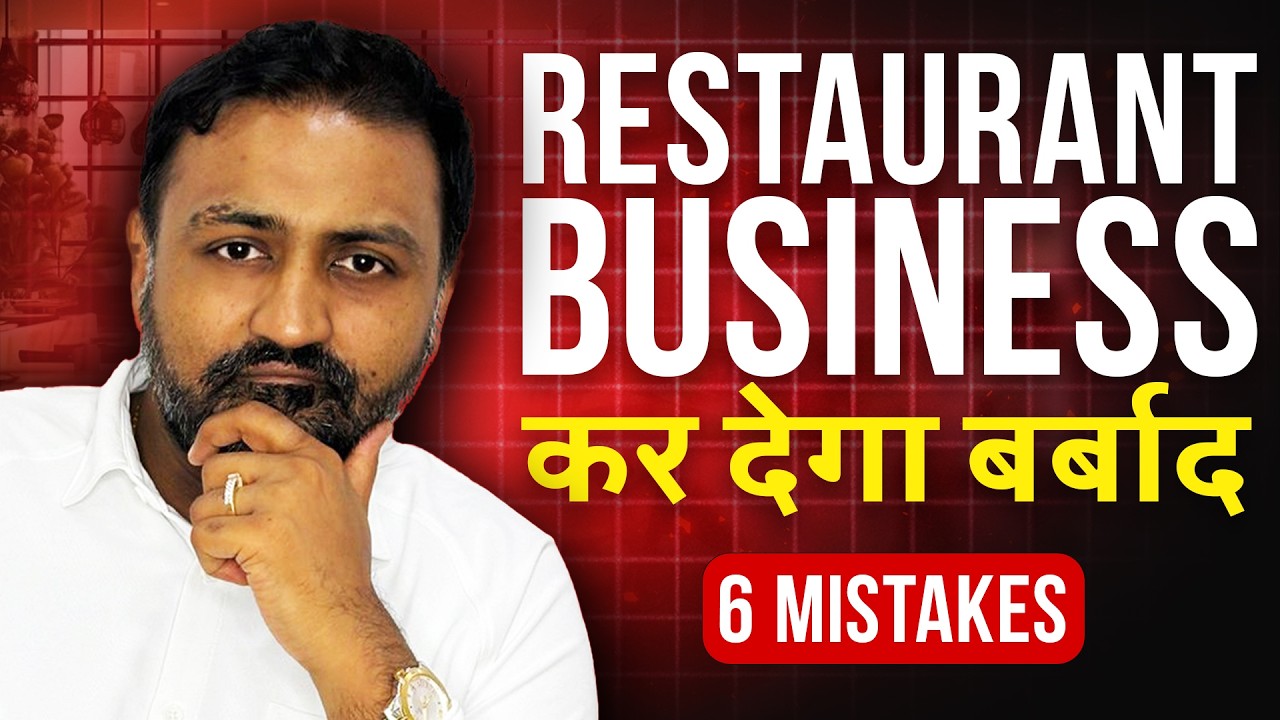
Why are Restaurant Businesses Failing? 📉 | Big Mistakes in Restaurant Business Plan | Basesh Gala
Gala breaks down the numbers that kill restaurants before they ever find their rhythm — the kind of math that looks great on paper until you're staring at food costs hitting 38% and labor climbing past 35%. You've seen these mistakes: overestimating covers, underestimating the grind, planning for best-case scenarios while prep costs and waste eat you alive. The harsh truth about restaurant failures isn't usually the food — it's operators who never learned to read their own kitchen's language.

Common Mistakes New Restaurant Owners Make
First-time operators think they're buying a dream, but they're actually buying a 16-hour-a-day math problem with grease fires. You're either running the numbers or the numbers are running you — food cost, labor percentage, covers per hour, table turns — and this breakdown hits every mistake that separates the survivors from the six-month closures. Anyone who's watched an owner discover their 38% food cost three months too late knows exactly where this goes.

'Restaurant Hustle 2020': Documentary looks at food industry during COVID-19
You've run the numbers a hundred times — 30% capacity, skeleton crew, rent that doesn't care about your covers. This isn't disaster porn or feel-good recovery stories; it's the operators who figured out which corners to cut without cutting quality, who pivoted without losing their souls. The ones still standing learned the difference between being busy and being profitable before the world forced that lesson on everyone else.
5 Biggest Mistakes Restaurant Owners Make I Restaurant Marketing Strategies
Most restaurants die from the same five wounds, and four of them happen before the first ticket prints. Marketing isn't about your Instagram feed looking pretty — it's about having customers when rent comes due. You can run perfect food cost and nail your labor percentages, but if nobody knows you exist, you're just burning through cash with excellent knife skills.

5 Reasons Why Your Restaurant Will Fail
You've seen the restaurant failure videos that blame "bad location" and "poor marketing" like those are the real killers. Anton Daniels ran a place, made it work, and got out clean — so when he breaks down the five ways operators torpedo themselves, he's talking cash flow, labor costs, and the numbers that actually matter. This isn't content creator wisdom; it's someone who survived telling you exactly where the bodies are buried.
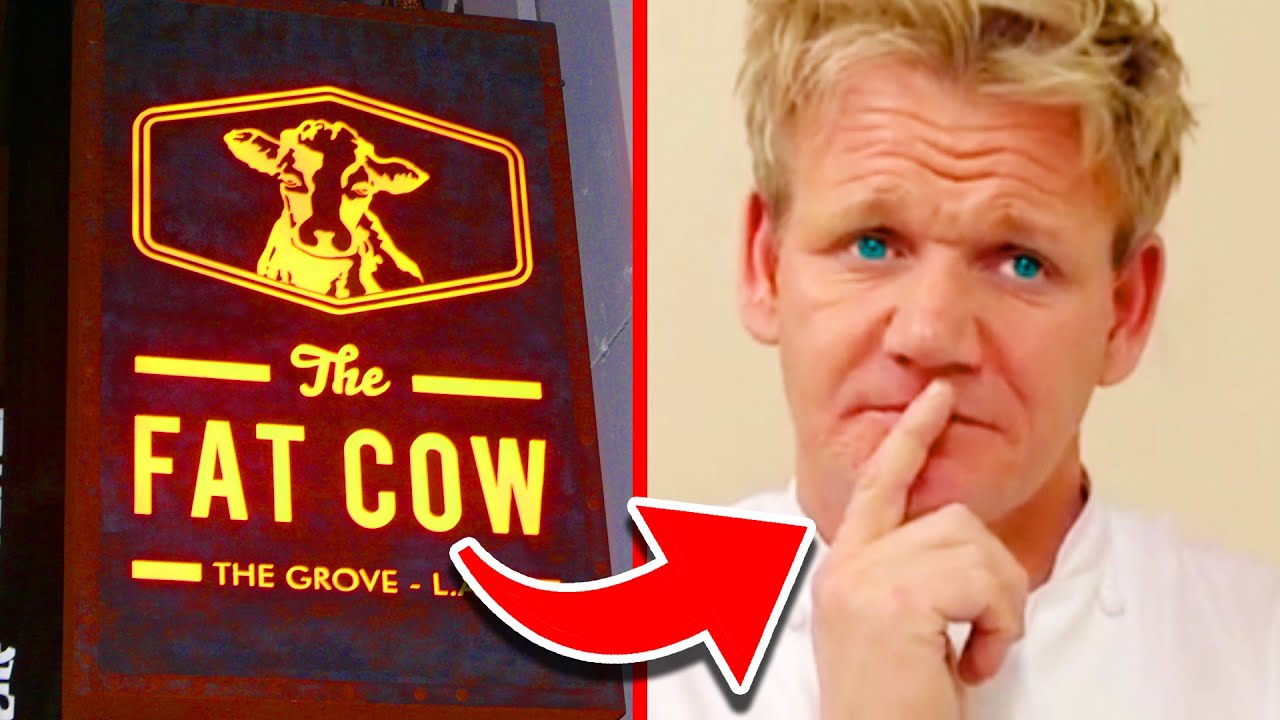
Top 10 Beloved Restaurants That Sadly Didn't Survive The Past Decade
Ten beloved restaurants that couldn't make it through the decade — each one a master class in how the numbers catch up, even when the dining room stays full and the reviews glow. You can love a place to death, but love doesn't pay rent when your food costs hit 40% and you're bleeding talent to higher wages down the street. The lesson lives in the margins: every percentage point matters when you're running 200 covers a night but still can't keep the lights on.

This Is How Many Restaurant: Impossible Restaurants Shut Down
You can renovate the dining room and teach the owner how to read a P&L, but if the bones are rotten — location, concept, market fit — no amount of television magic saves you. Irvine's hit rate tells the real story: most of these places were already circling the drain before the cameras showed up. The ones that survive aren't the ones with the best makeover, they're the ones where someone finally learns to run the numbers like their life depends on it.

15 Worst FAILED Chain Restaurants That No One Misses
Every dead chain tells the same story: they stopped watching their numbers or started believing their own hype. You can trace the collapse through the P&L — food costs creeping past 32%, labor hitting 40%, same-store sales bleeding red for six straight quarters while corporate kept opening new locations. Watch this and count how many times expansion killed what the kitchen built.

The Worst Failed Chain Restaurants That No One Misses
You can trace every chain failure back to the same three numbers: food cost, labor cost, and the speed of service during rush. These dead brands all broke the same way — they either couldn't control what they were spending, couldn't move food fast enough when it mattered, or both. The graveyard is full of concepts that looked good on paper but died on the line when Saturday night hit and the system couldn't hold.

Why Isn’t White Castle A Fast-Food Giant?
You can invent the game and still lose it — White Castle built the playbook for fast food, then watched everyone else run it better. The operators who survived understood something Castle missed: being first means nothing if you can't scale systems faster than your competitors can copy them. Every cook who's watched their signature dish get knocked off by the place down the street knows this sting. Innovation without execution is just expensive education for your competition.

What I Learned From My Failed Coffee Shop
Most people open restaurants thinking they're selling food when they're actually selling time, labor, and square footage with a side of dreams. Charlie's coffee shop autopsy cuts straight to the numbers that matter — cost per square foot, labor percentage, the brutal math of rent vs. covers that separates the survivors from the dreamers. You've seen the spreadsheets after the health inspector leaves and the reality sets in. This is what those conversations sound like when nobody's pretending anymore.

Restaurant Failure Reasons | Why Restaurant Business fail in 1st Year of Starting || Cloud Kitchen
Most first-year failures aren't about the food — they're about operators who think passion pays rent and talent covers labor costs. Chef Dheeraj breaks down the numbers that matter: why your 32% food cost feels sustainable until you add rent, labor, and the electric bill that keeps your walk-in from becoming a crime scene. You're either running the math or the math is running you into the ground.

Gavin Newsom orders indoor restaurants, wineries, movie theaters to close in most CA counties | ABC7
March 2020 hits and half the industry learns the difference between revenue and profit the hard way. You're either sitting on three months of operating capital or you're calling landlords with sweaty palms, and Newsom's announcement just sorted every operator in California into one of those two camps. The restaurants that survived this weren't the ones with the best Instagram presence — they were the ones who knew their numbers cold and had already gamed out what 50% capacity actually meant for the bottom line.
They hired slowly and fired fast when the culture got compromised. They were obsessively clear about what their restaurant was and what it was not. They treated the first year as a learning period, not a victory lap.
And they had systems in place before the volume arrived, not after.
Understanding why restaurants fail is incomplete without understanding what prevents it. Kitchen Systems covers the operational structures that keep places running. Cost Control covers the numbers that signal trouble before it arrives.